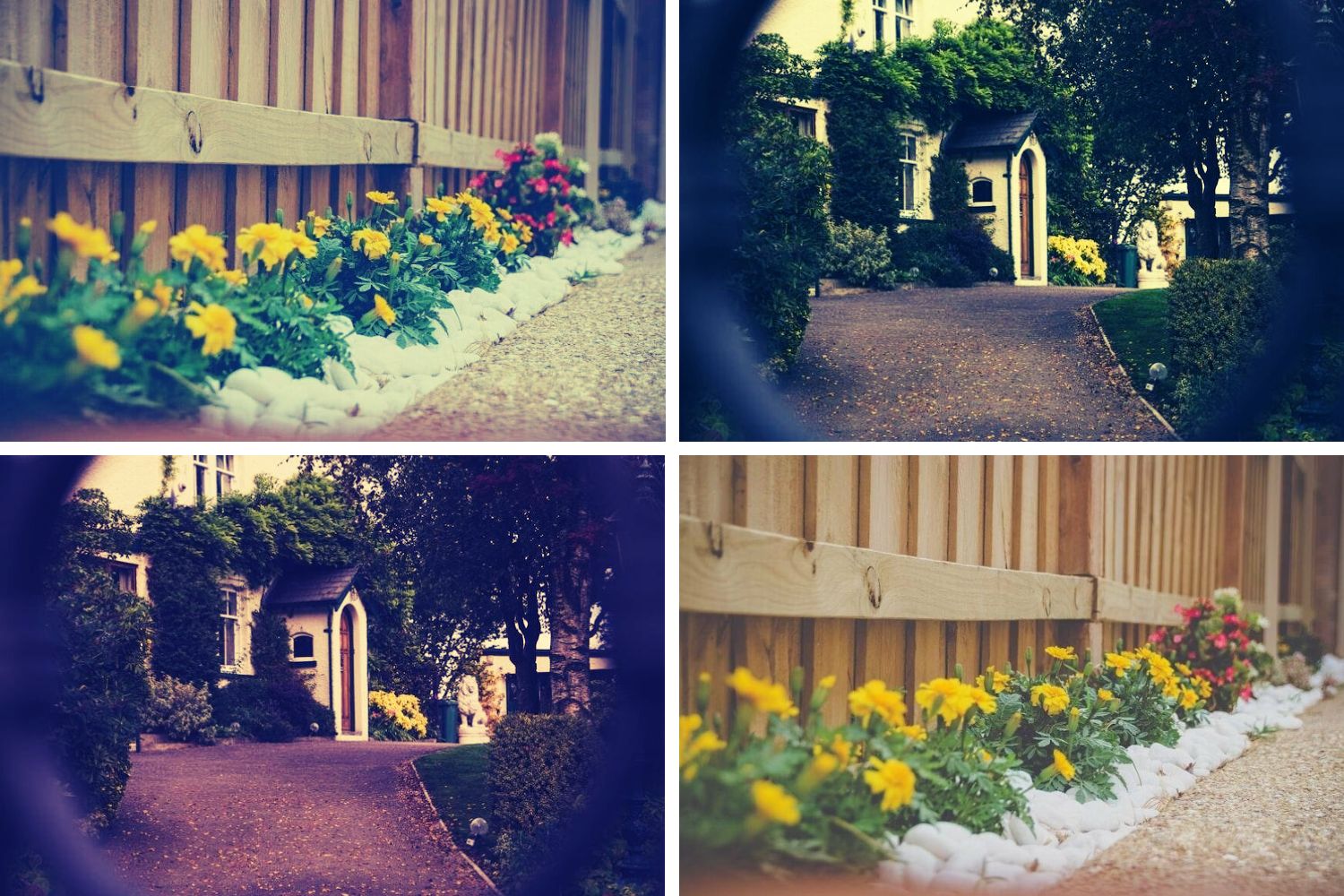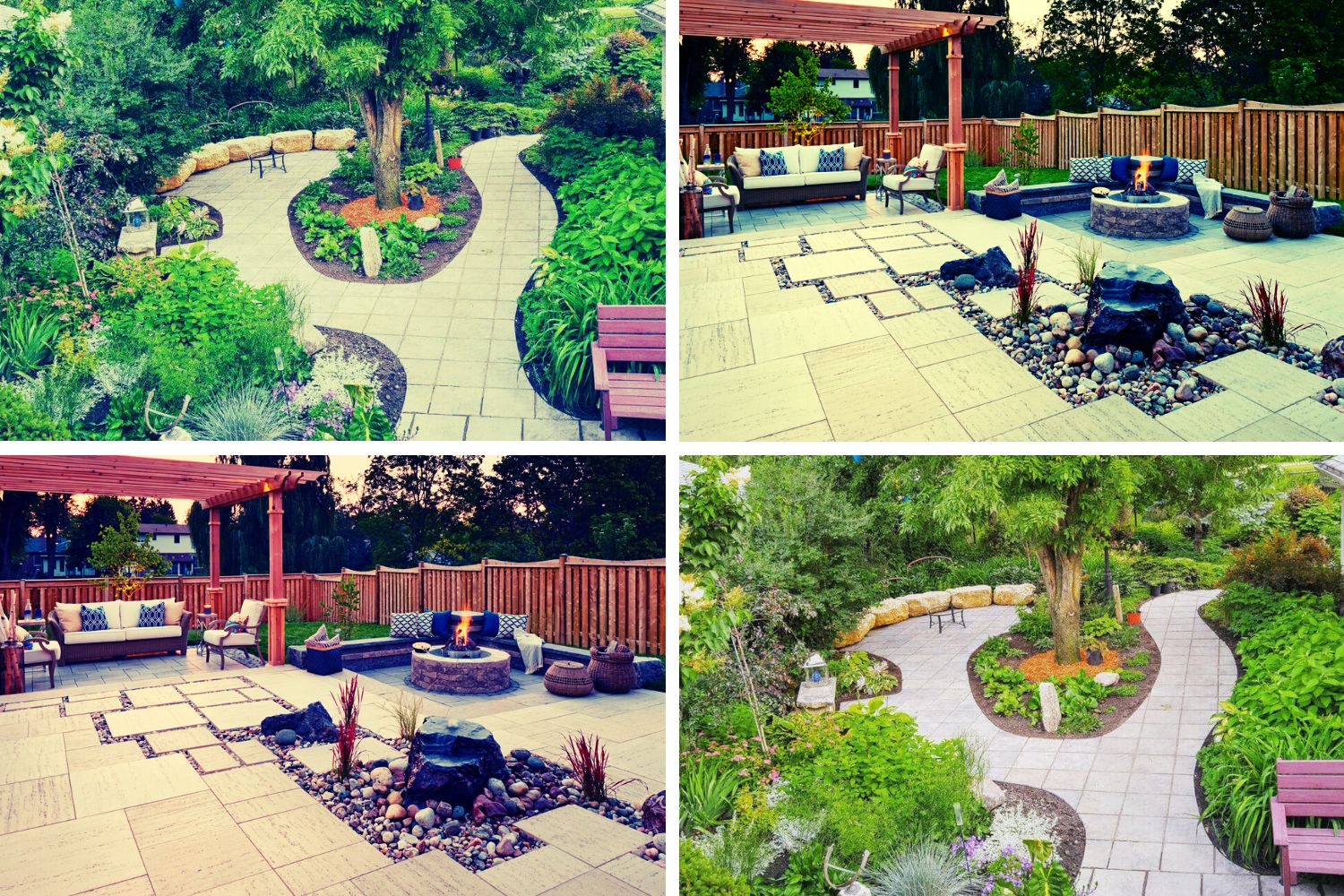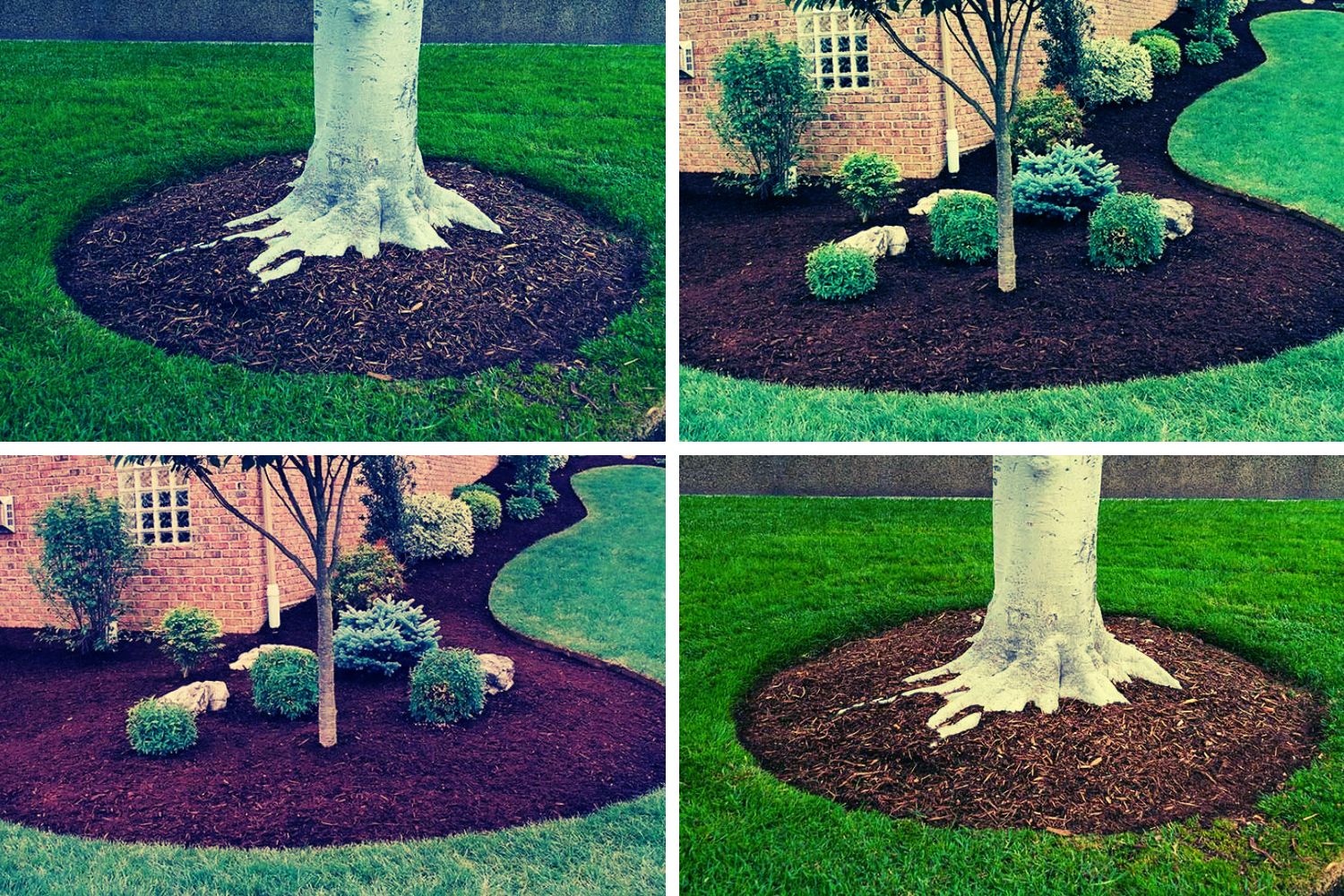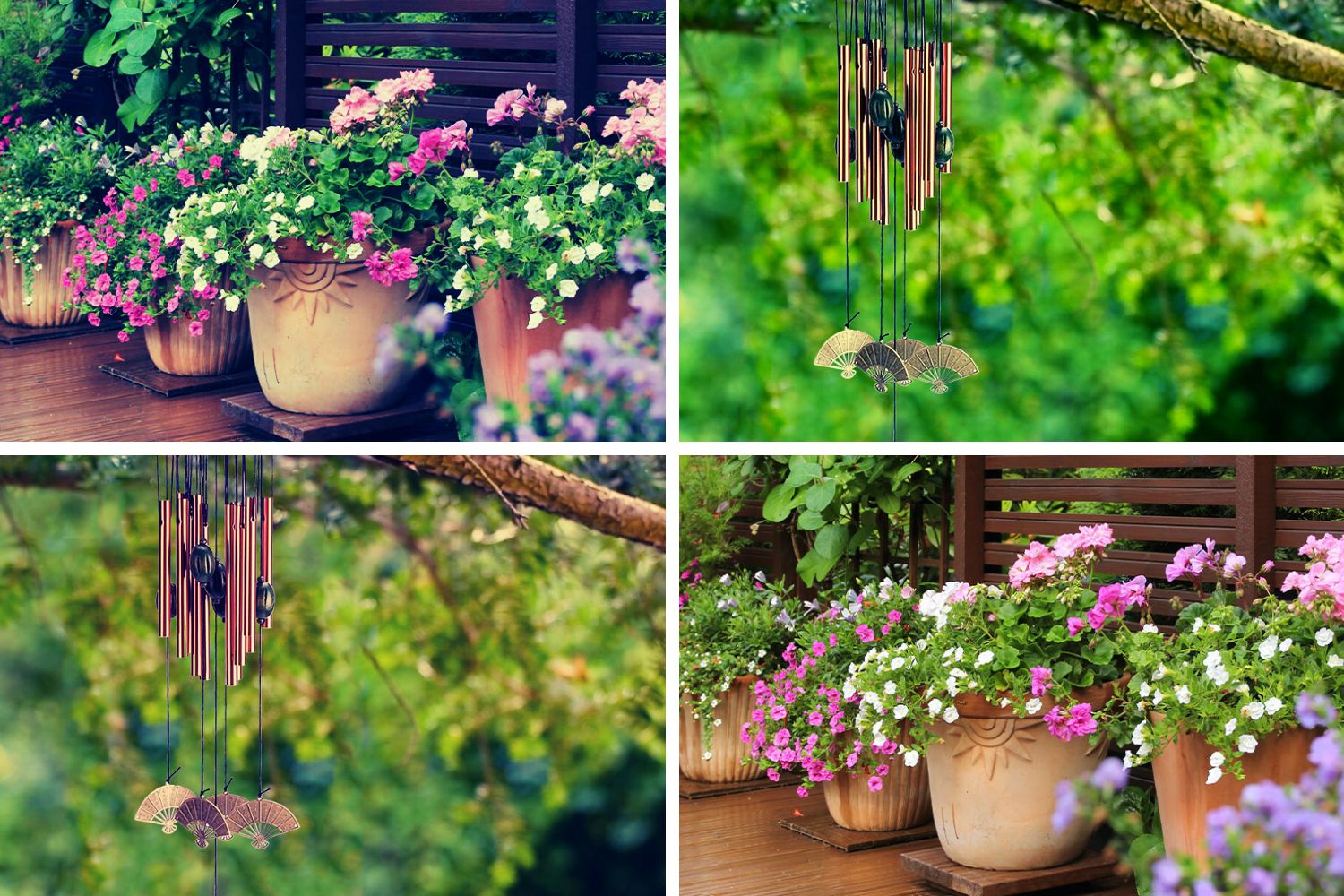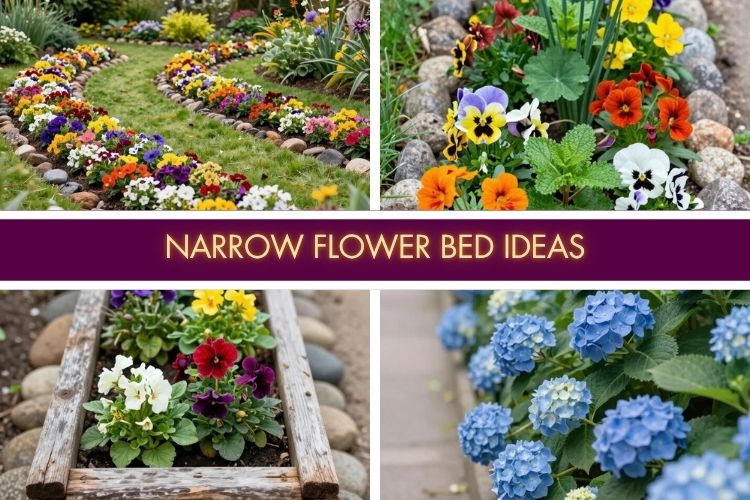
Creating a garden that shines amid a sea of green can be a challenge, especially when you’re working with limited space. Narrow flower beds offer the perfect solution to showcase your creativity without overwhelming your garden. I put this post together because I know how vital it is to find unique, beautiful ideas that can help transform those tight spaces into stunning floral displays.
If you’re a garden enthusiast, a homeowner looking to beautify your yard, or someone who just loves flowers, this guide is for you. It doesn’t matter if you have a tiny balcony or a long, narrow patch of land; there’s something here for everyone. You’ll discover a variety of narrow flower bed ideas that are not only visually appealing but also practical and easy to implement.
In this post, I’ve compiled 17 enchanting narrow flower bed ideas that will inspire you and make your garden a visual delight. From colorful layered blooms to whimsical wildflower meadows, each idea is designed to spark creativity and help you bring your gardening dreams to life. Whether you’re aiming for a rustic theme or a minimalist zen garden, you’re bound to find ideas that resonate with your personal style. Get ready to dig in and transform your garden into a vibrant oasis!
Key Takeaways
– Narrow flower beds can maximize your garden space while adding beauty and style.
– Explore various themes like rustic raised flower beds and colorful layered blooms for unique designs.
– Incorporate edible flowers into your narrow beds for both beauty and utility.
– Consider seasonal displays for year-round color and interest in your flower beds.
– Use vertical gardening techniques to further enhance the visual appeal of narrow spaces.
1. Colorful Layered Blooms
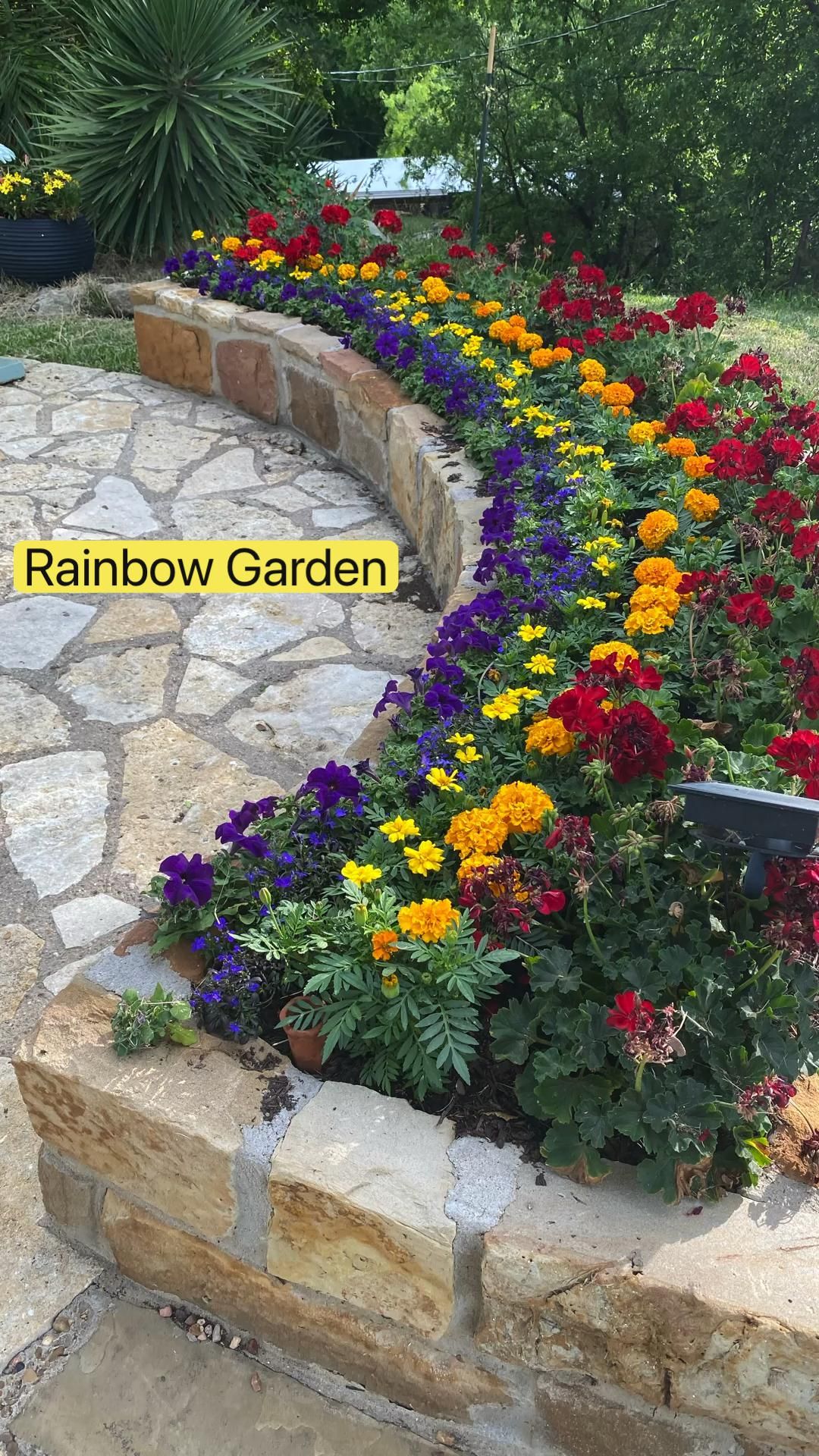
Imagine stepping into a garden bursting with vibrant colors and enchanting heights. By layering different flowers in a narrow bed, you can create an eye-catching display that evolves throughout the seasons. Start with tall blooms like hollyhocks or delphiniums in the back, followed by medium-sized favorites like coneflowers and daisies. Finish with delightful low-growing flowers such as pansies or creeping thyme at the front for a stunning visual effect.
To keep your garden lively, choose flowers that bloom at various times. This ensures a constant splash of color, attracting pollinators and enhancing your garden’s biodiversity. You can play with contrasting colors for a bold statement or choose a monochromatic palette for a more tranquil vibe.
Key steps to create your layered bloom bed:
– Select tall plants for the back of the bed
– Incorporate medium blooms in the middle
– Use low-growing varieties in the front
– Ensure bloom times vary for year-round color
Your garden will be a feast for the eyes, offering a rich tapestry of colors and textures that delight visitors and pollinators alike.
Image credit: Jaineycraft on Pinterest
2. Rustic Raised Flower Beds
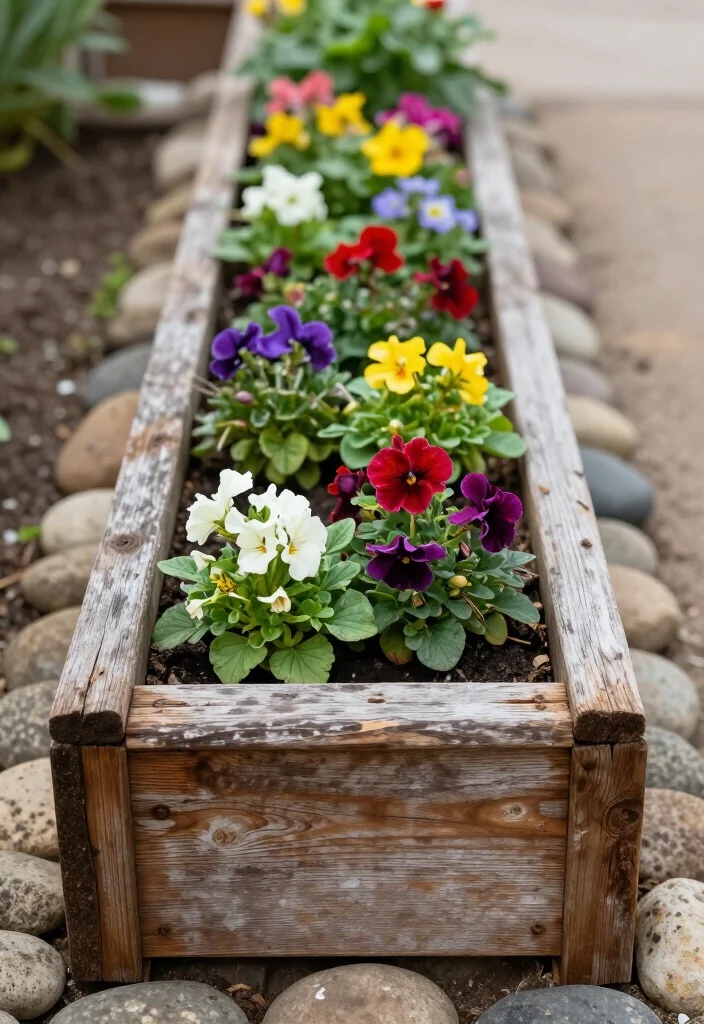
Transform your narrow flower bed with rustic raised beds made from reclaimed wood or natural stone. These not only add character but also improve drainage and soil quality for your plants. Fill them with a mix of annuals and perennials to enjoy changing displays throughout the year.
For best results, consider using untreated wood to avoid chemicals leaching into the soil. Raised beds are particularly beneficial for those with mobility issues, as they minimize bending and kneeling. Adding a small seating area nearby can enhance your garden experience, allowing you to enjoy the beauty you’ve created.
Suggestions for your rustic raised beds:
– Choose reclaimed wood or stone for authenticity
– Fill with a mix of blooming plants
– Create a seating area for relaxation
– Line with decorative stones for a polished look
Your garden will exude charm and tranquility, inviting you to relax and appreciate the beauty of nature.
3. Monochromatic Magic
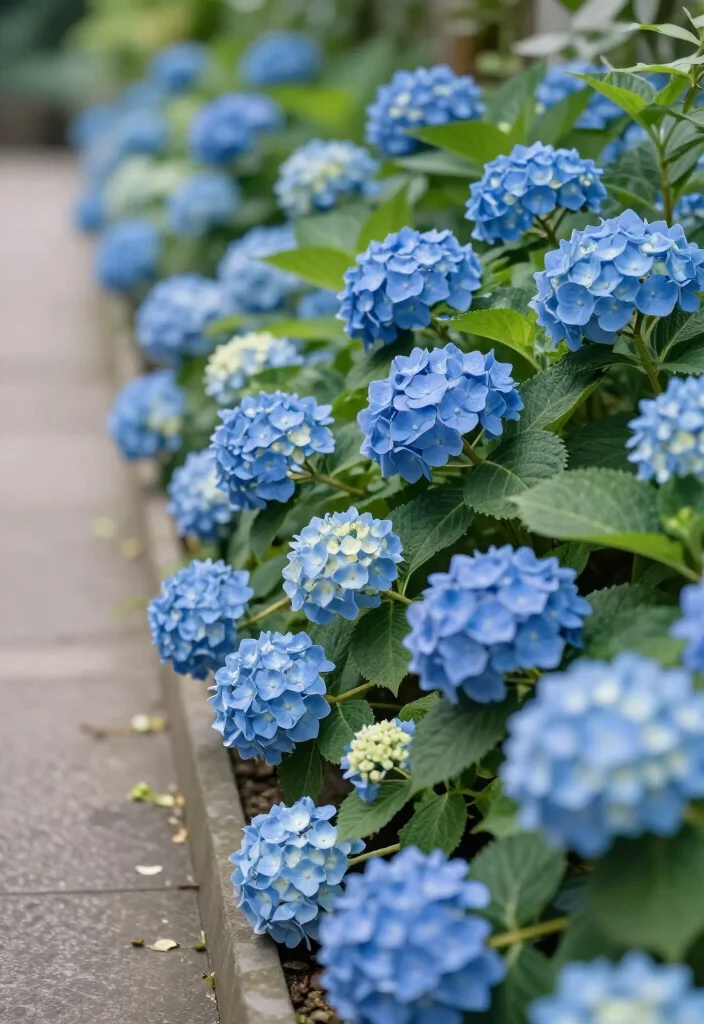
For a chic and modern aesthetic, consider a monochromatic design in your narrow flower bed. By selecting a single color or various shades of one hue, you can create a sophisticated yet calming atmosphere. Shades of blue featuring hydrangeas, lobelias, and forget-me-nots will transport you to a serene oasis.
Pair your blooms with lush green foliage for contrast, enhancing the overall visual impact. Monochromatic schemes can also trick the eye into making a narrow space appear longer, creating a seamless flow. Mixing different flower shapes and sizes within the same color family will keep your design engaging.
Steps to achieve your monochromatic look:
– Choose a single color for your flowers
– Incorporate green foliage for contrast
– Vary flower shapes and sizes for interest
– Utilize different shades within the same color
Your garden will radiate elegance and simplicity, offering a peaceful retreat from the hustle and bustle of everyday life.
4. Edible Flower Beds
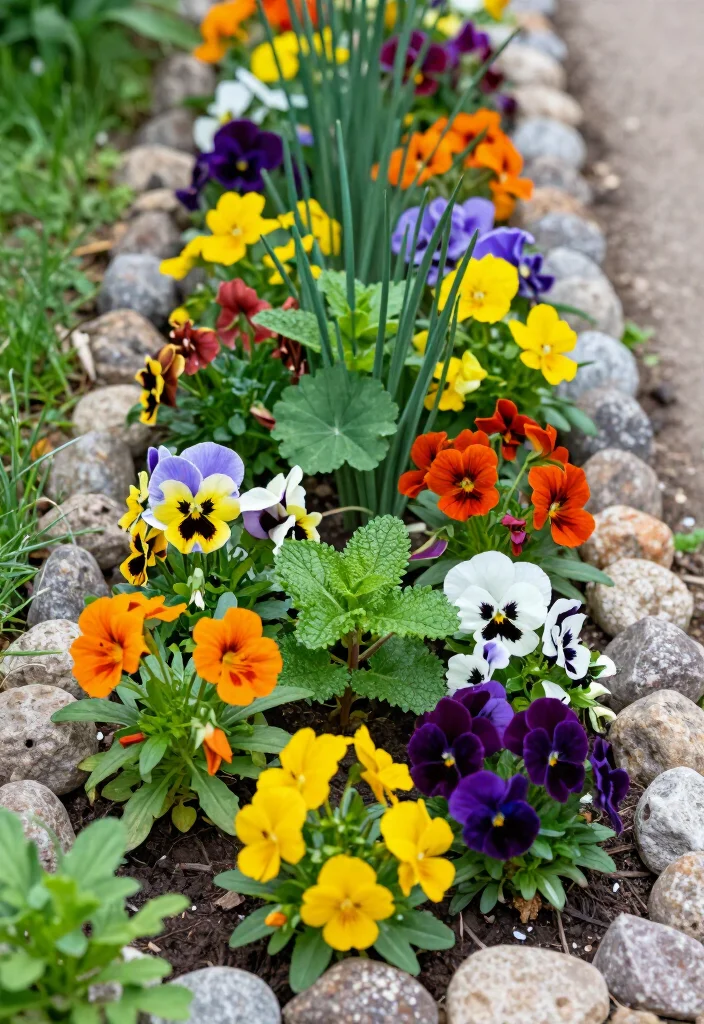
Why not blend beauty and functionality by creating a narrow flower bed filled with edible flowers and herbs? Include nasturtiums, pansies, and chives for a splash of color that’s not only pretty but also perfect for your kitchen. This functional design is ideal for small spaces and encourages you to interact with your garden.
Before planting, research which edible flowers are safe to consume. Edible flowers can also attract beneficial insects, promoting a healthier garden ecosystem. Arrange taller herbs, like mint, at the back and shorter flowers in the front for a dynamic look.
Ideas for your edible flower bed:
– Research safe edible flowers
– Arrange taller herbs in the back
– Use decorative borders like rocks or bricks
– Harvest blooms to enhance your culinary dishes
Your garden will be a delightful fusion of beauty and utility, allowing you to savor the flavors of your hard work.
5. Whimsical Wildflower Meadows
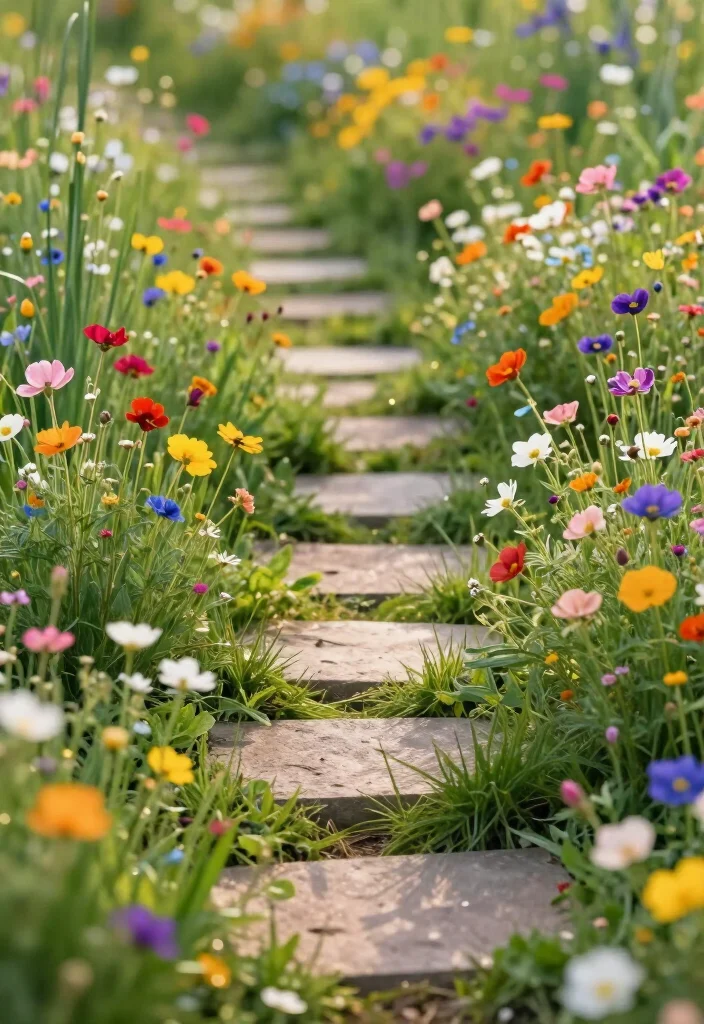
Bring a touch of nature’s charm to your narrow flower bed with a delightful wildflower meadow. This low-maintenance design is not only beautiful but also eco-friendly, attracting pollinators and providing habitats for local wildlife. Use a mix of native wildflowers that thrive in your area for a vibrant display.
You can purchase seed mixes or gather seeds from local sources to ensure diversity. Wildflower beds bloom in waves, offering a constantly shifting palette of colors. To enhance the whimsical feel, add a small path of stepping stones or wood chips that invites exploration.
Steps to create your wildflower meadow:
– Gather seeds from local wildflowers
– Create a meandering path with stones
– Allow wildflowers to self-seed for ongoing beauty
– Embrace a carefree design style
Your garden will become a haven for pollinators, bursting with life and color, making it a joy to experience year after year.
6. Vertical Flower Gardens
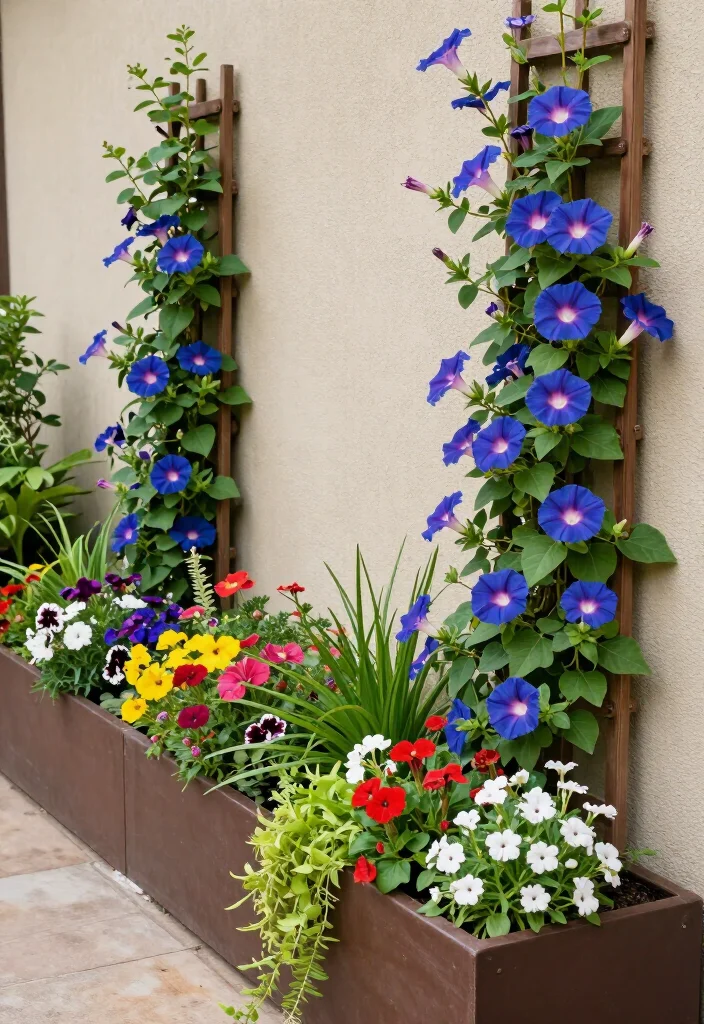
If space is tight, vertical flower gardens are an excellent solution for narrow beds. Utilize trellises or wall-mounted planters to add height and dimension to your garden. Climbing plants like morning glories or sweet peas can provide vertical interest while complementing the blooms in your bed.
Ensure your structures can support the plants’ weight as they grow. Vertical gardens also improve air circulation, reducing the risk of pests and diseases. Mix cascading plants at the top with trailing varieties for a layered and lush look.
Tips for creating your vertical flower garden:
– Use sturdy structures for support
– Enhance air circulation to prevent pests
– Combine cascading and trailing plants for depth
– Experiment with different plants for unique textures
Your small space will be transformed into a vibrant paradise, bursting with greenery and blooms to admire.
7. Artistic Sculptures and Flowers
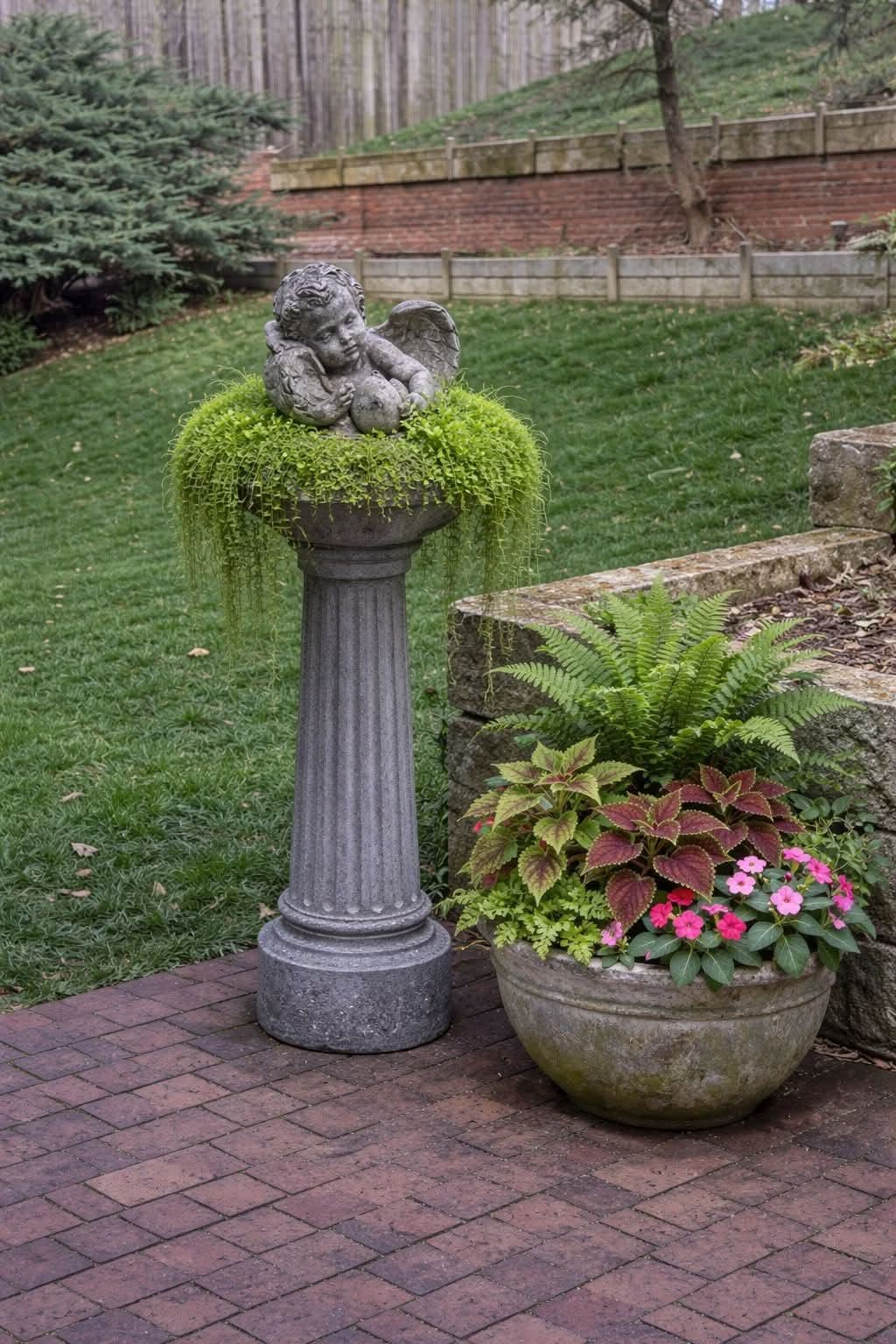
Elevate your narrow flower bed by incorporating art pieces that serve as a captivating focal point. Use sculptures, birdbaths, or decorative stones to add personality, surrounded by flowers to create a cohesive look. Select sculptures that reflect your style, whether it’s modern, rustic, or whimsical.
Make sure the art complements the surrounding flora without overwhelming the space. A central piece can draw the eye, encouraging visitors to pause and admire your garden. Choose flowers that bloom around your sculpture to highlight it beautifully.
Ideas for your artistic flower bed:
– Select sculptures that resonate with your style
– Surround art pieces with blooming flowers
– Create a balanced design that doesn’t overwhelm
– Mix textures between sculptures and flowers
Your garden will become a unique canvas, blending nature and art into a stunning visual experience.
Image credit: Beverly Robidoux on Pinterest
8. Scented Flower Borders
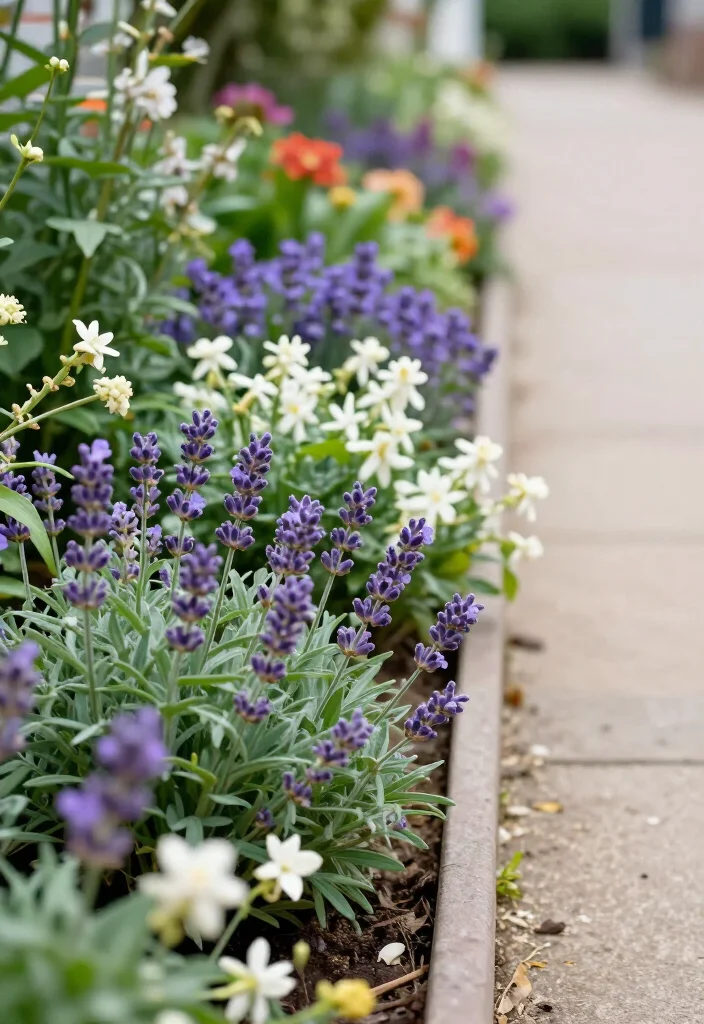
Transform your narrow flower bed into a sensory delight with aromatic flowers. Plant varieties like lavender, jasmine, or gardenias to create enchanting fragrances that greet visitors. Position these scented flowers along pathways or entry points for maximum impact.
Choose perennials for lasting scent year after year. Scented plants can also deter pests naturally, minimizing the need for chemicals. Combine plants of varying heights and textures to amplify the sensory experience, grouping them in clusters for maximum fragrance.
Steps to create your scented flower border:
– Select aromatic plants for sensory appeal
– Position them along pathways for fragrance
– Choose perennials for longevity
– Group plants for a dramatic impact
Your garden will be a fragrant haven, engaging the senses and inviting visitors to linger longer.
Scented Flower Borders
Editor’s Choice




9. Seasonal Color Pops
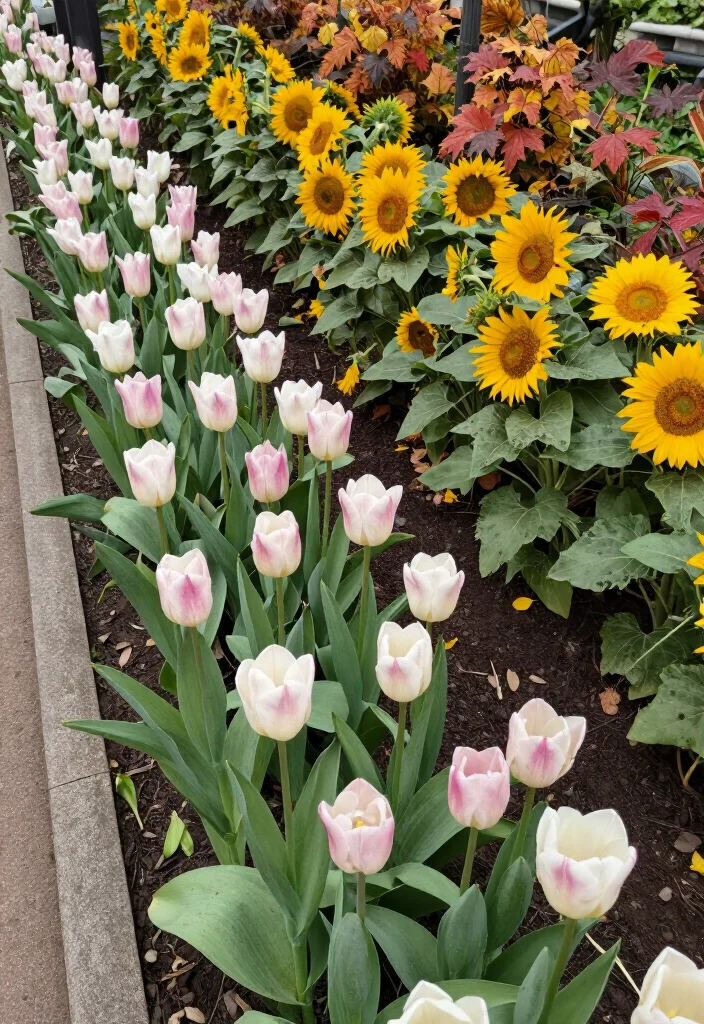
Keep your narrow flower bed lively by designing it to change with the seasons. Plant early-blooming spring flowers like tulips, then transition to summer favorites, and finish with stunning fall blooms. This strategy creates a dynamic landscape that evolves throughout the year, ensuring your garden always looks fresh and inviting.
Utilize a planting calendar to plan out your seasonal changes effectively. This variety can also help maintain soil health and reduce disease risks. Interplant bulbs among perennials for delightful surprises each spring, and consider adding fall foliage for autumn color.
Tips for your seasonal flower bed:
– Use a planting calendar for timing
– Transition blooms across seasons
– Interplant bulbs with perennials for surprise
– Add fall plants for late-season interest
Your garden will be a vibrant celebration of the seasons, captivating you and your guests with changing beauty.
10. Container Flower Beds
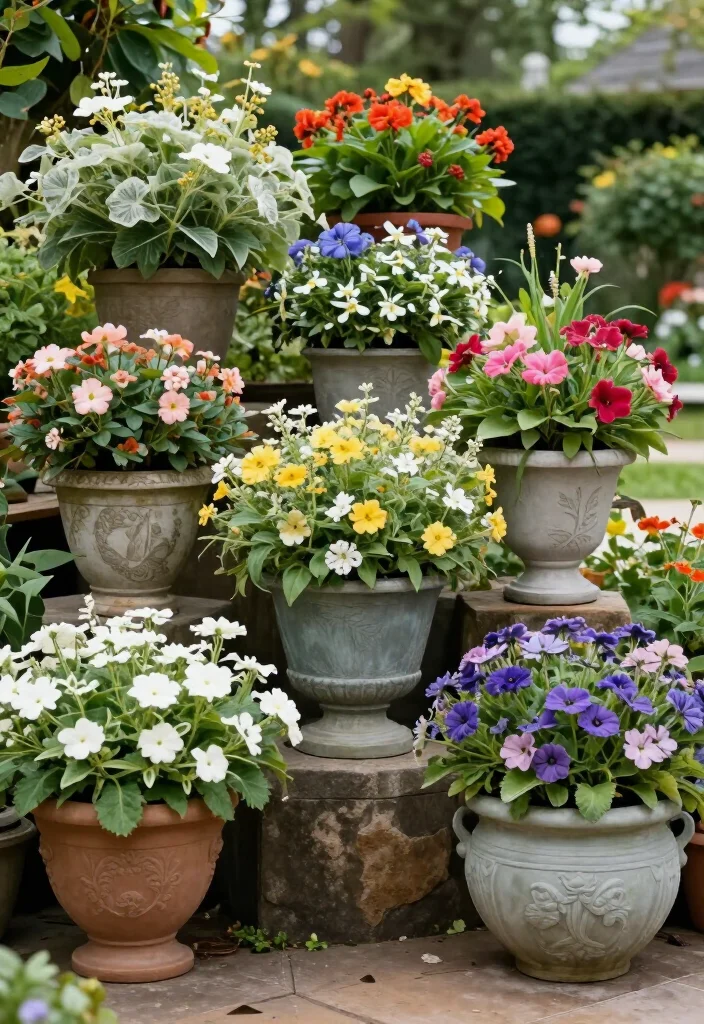
For gardens with limited ground space, large containers can be a game-changer in your narrow flower bed design. Choose pots of different heights and textures to create an engaging display. This approach offers flexibility, allowing you to rearrange or change plants as desired.
Select pots that match your home and garden’s overall aesthetic for a cohesive look. Containers can be moved to catch the sun or shield from frost, giving you control over your garden’s microclimate. Adding a drip irrigation system can make maintenance a breeze.
Steps for your container flower bed:
– Choose pots that suit your style
– Use varying heights for visual appeal
– Implement a drip irrigation system for ease
– Arrange containers for dramatic color combinations
Your garden will radiate creativity and charm, allowing you to express your personal style effortlessly.
11. Minimalist Zen Gardens
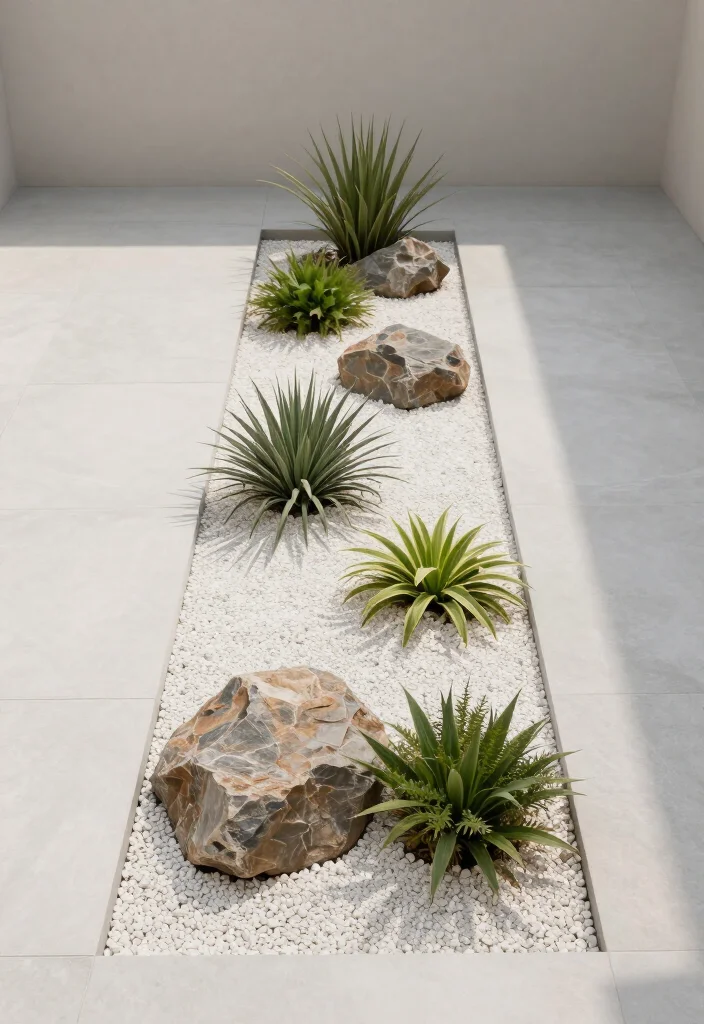
Embrace the beauty of simplicity with a minimalist design in your narrow flower bed. Feature a few carefully selected plants, rocks, and gravel to create a tranquil Zen garden. Choose plants with interesting textures, like succulents or ornamental grasses, and arrange them thoughtfully for a peaceful vibe.
Using white or light-colored gravel will contrast beautifully with the greenery. A minimalist approach highlights the beauty of each plant, making your space feel larger and more open. Consider adding a small water feature to enhance the calming effect.
Ideas for your Zen garden:
– Select a few striking plants for impact
– Use light-colored gravel for contrast
– Limit variety for a clean aesthetic
– Add a small water feature for serenity
Your garden will become a peaceful retreat, inviting relaxation and contemplation in a busy world.
12. Vibrant Succulent Displays
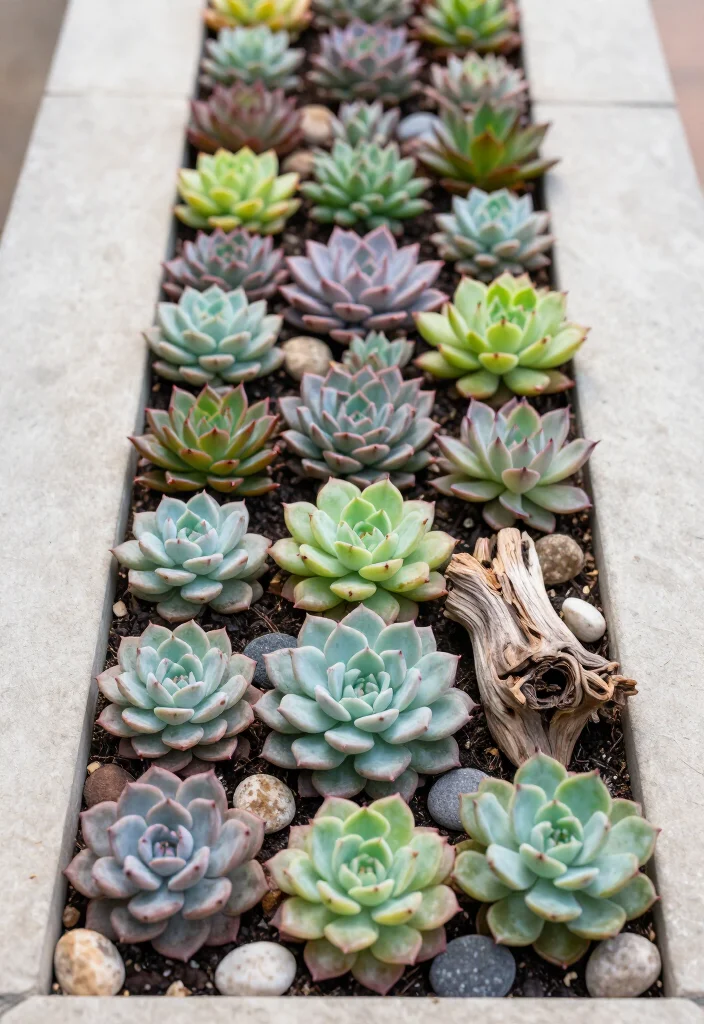
Consider showcasing a variety of succulents in your narrow flower bed for a unique twist. These drought-resistant plants offer stunning arrangements with their diverse shapes and colors. Enhance their appeal by mixing in stones, driftwood, or other decorative elements for a modern, desert-like atmosphere.
Ensure the soil drains well to prevent overwatering, as succulents thrive in dry conditions. This low-maintenance option is perfect for busy gardeners. Arranging them in clusters can create a focal point that draws the eye, while experimenting with potting techniques adds further interest.
Steps for your succulent display:
– Choose drought-resistant varieties for ease
– Ensure good drainage for optimal growth
– Create clusters for visual interest
– Experiment with different potting styles
Your garden will showcase a vibrant array of textures and colors, offering a modern twist that stands out.
Vibrant Succulent Displays
Editor’s Choice



13. Elegant Tropical Vibes
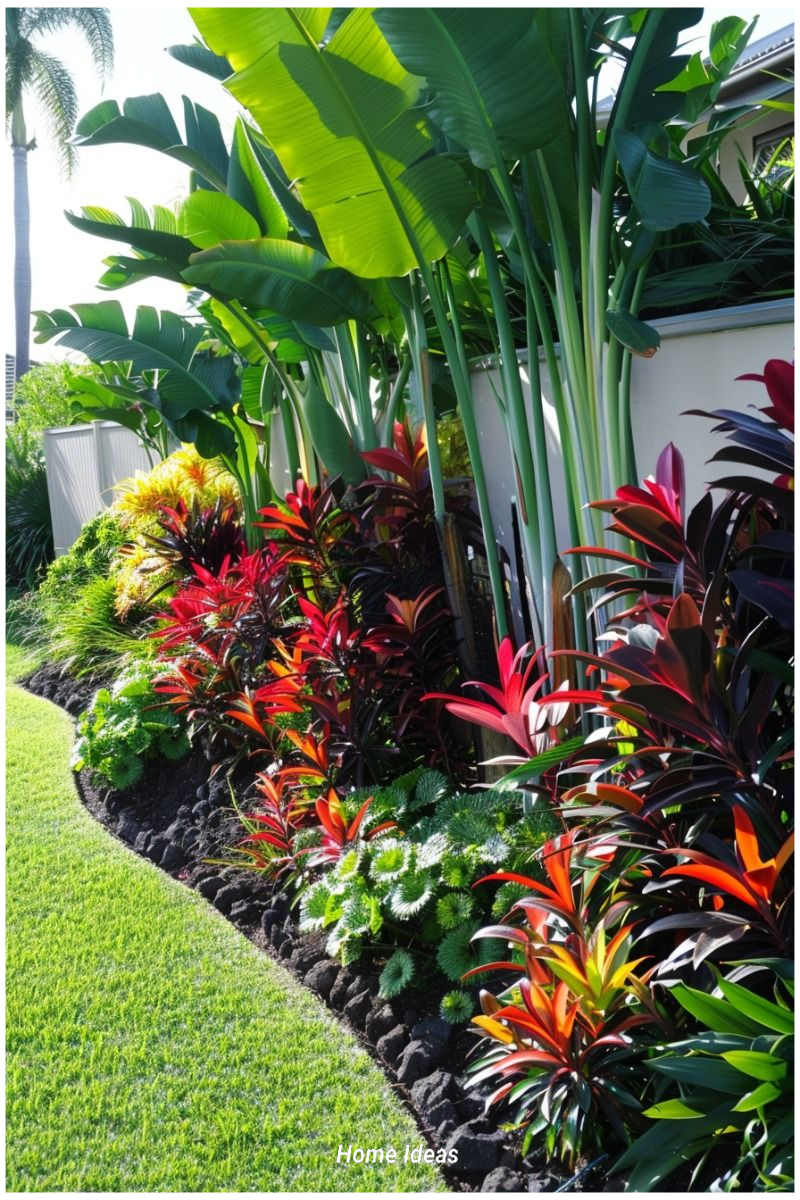
Bring a slice of paradise to your narrow flower bed by selecting exotic plants and flowers. Vibrant heliconias, hibiscus, and bird of paradise create a lush tropical oasis that thrives in sunny, well-drained areas. This design can transform your garden into a vacation-like retreat.
Pair tropical plants with bold foliage for a striking impact, and use mulch to retain moisture for these thirstier varieties. A small water feature can beautifully complement the tropical theme, adding a serene sound to your space.
Ideas for your tropical flower bed:
– Choose vibrant tropical plants for color
– Pair with bold foliage for contrast
– Implement mulch for moisture retention
– Add a water feature for tranquility
Your garden will become an enchanting escape, radiating exotic beauty and warmth.
Image credit: Asia Volkman on Pinterest
Elegant Tropical Vibes
Editor’s Choice


14. Charming Fairy Gardens
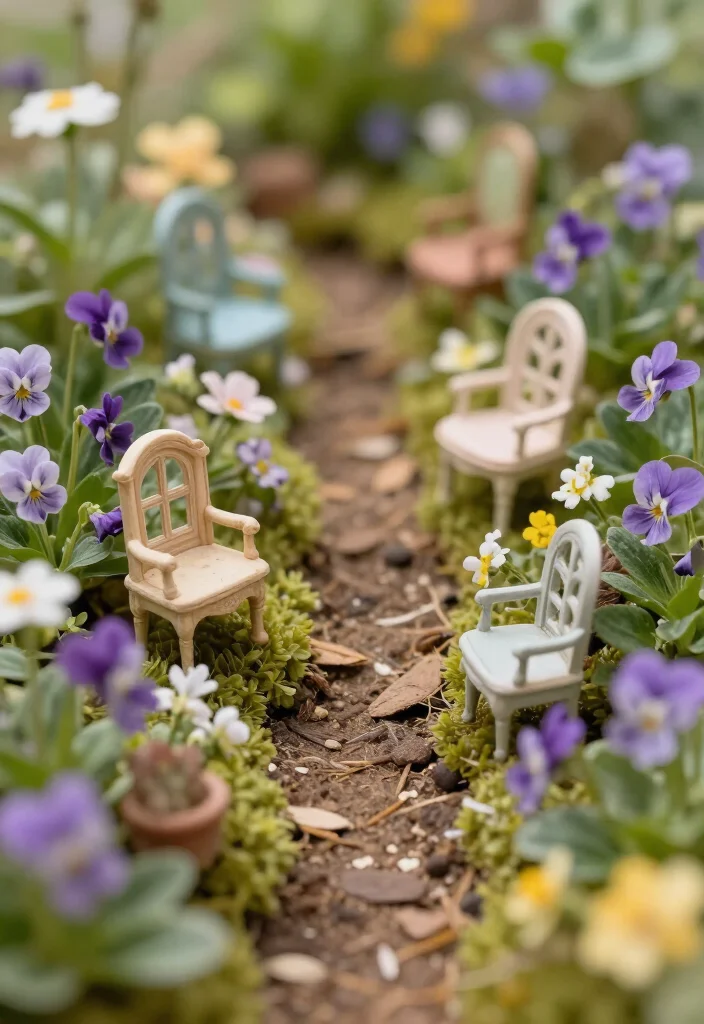
Transform your narrow flower bed into a whimsical fairy garden filled with tiny furniture, pathways, and delicate plants. Use low-growing flowers like violets or mosses to create an enchanting landscape that sparks the imagination. This design invites both children and adults to explore the magic of your garden.
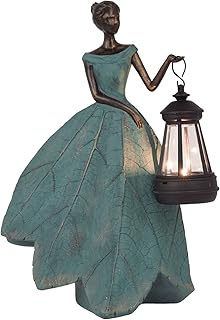
Incorporate a small water feature to attract butterflies, and add fairy figurines for extra charm. Grouping plants of varying heights will create layers of interest, while adding fairy lights can provide a magical glow at night.
Steps to create your fairy garden:
– Include miniature elements for whimsical charm
– Use low-growing flowers for a lush landscape
– Add lights for nighttime magic
– Group plants for visual depth
Your garden will be a delightful wonderland, captivating the hearts of all who visit.
Charming Fairy Gardens
Editor’s Choice



15. Eco-Friendly Pollinator Gardens
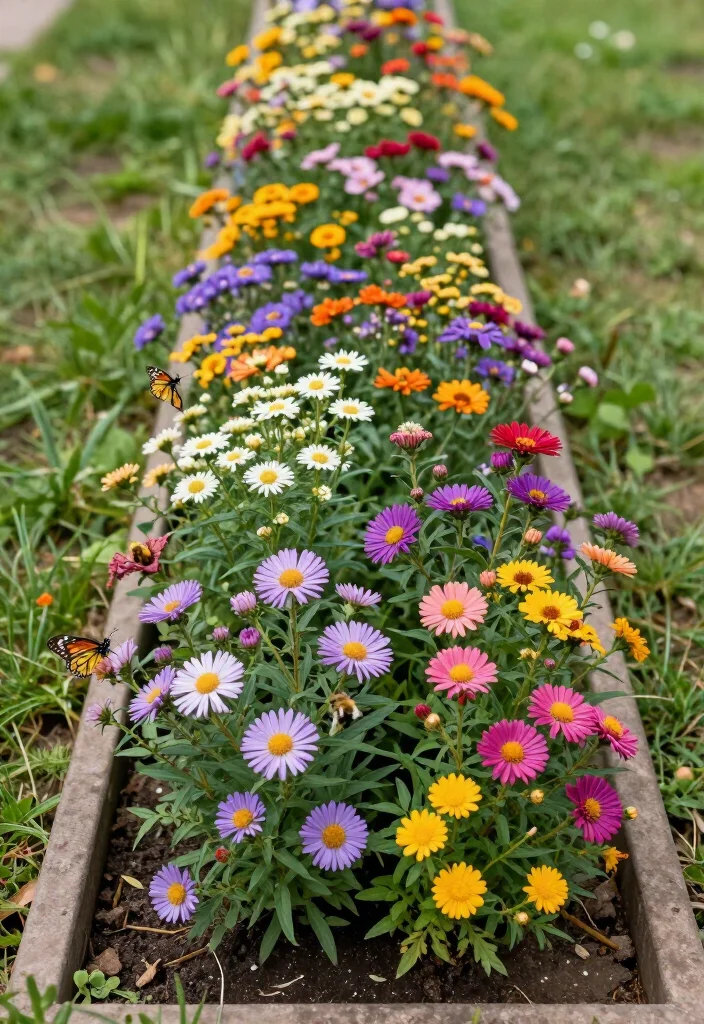
Design a narrow flower bed specifically to attract vital pollinators like bees and butterflies. Choose native plants that provide nectar and habitat, using a mix of asters, milkweed, and cone flowers for a vibrant and ecologically beneficial display.
To protect your pollinator friends, avoid using pesticides in your garden. A well-planned pollinator garden will boost local ecosystems and promote biodiversity. Group plants in clusters to make them more appealing to pollinators, ensuring food availability throughout the seasons.
Key steps for your pollinator garden:
– Choose native plants that attract pollinators
– Avoid pesticides to protect beneficial insects
– Group plants for maximum appeal
– Ensure seasonal blooms for continuous food supply
Your garden will flourish with life, creating a vibrant ecosystem that supports essential pollinators.
Eco-Friendly Pollinator Gardens
Editor’s Choice


16. Creative Border Flower Beds
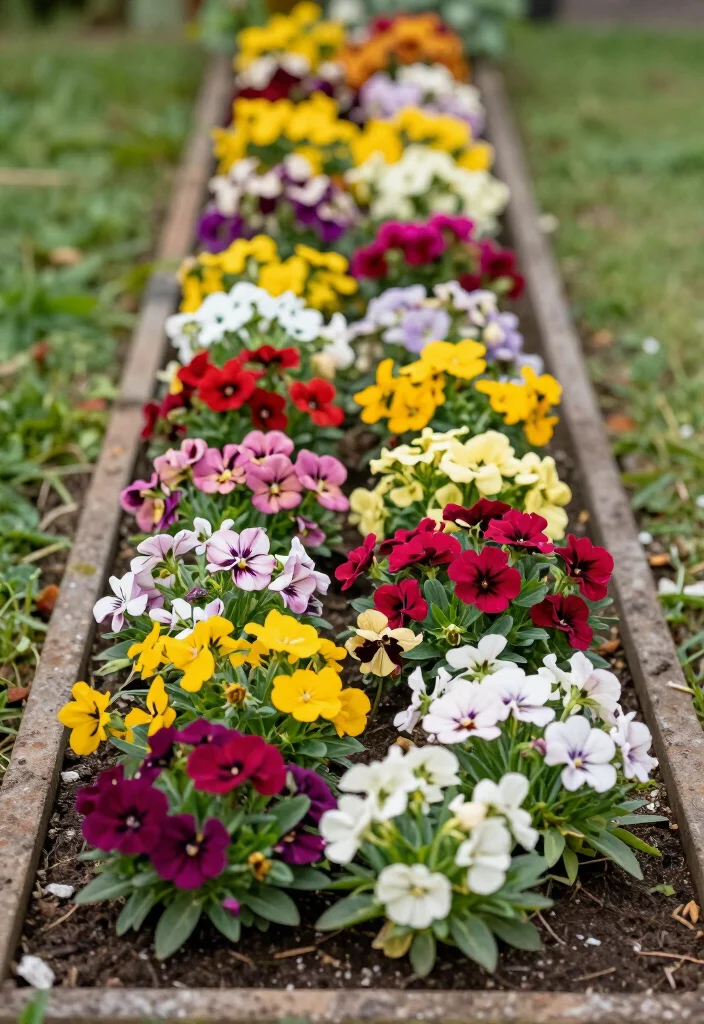
Utilize narrow border flower beds to define spaces within your garden, providing structure and flow. Select a mix of perennial flowers that bloom at different times to maintain continuous interest and visual appeal throughout the seasons.
Decorative edging can help keep soil in place while visually defining the space. Border beds can act as natural barriers, guiding movement through your garden and creating depth with varying heights of plants. Ornamental grasses can add texture and movement to your borders.
Steps for your border flower bed:
– Choose perennial flowers for longevity
– Use decorative edging for structure
– Vary heights for depth and interest
– Incorporate ornamental grasses for texture
Your garden will gain character and flow, inviting exploration and admiration from all who visit.
17. Seasonal Festive Displays
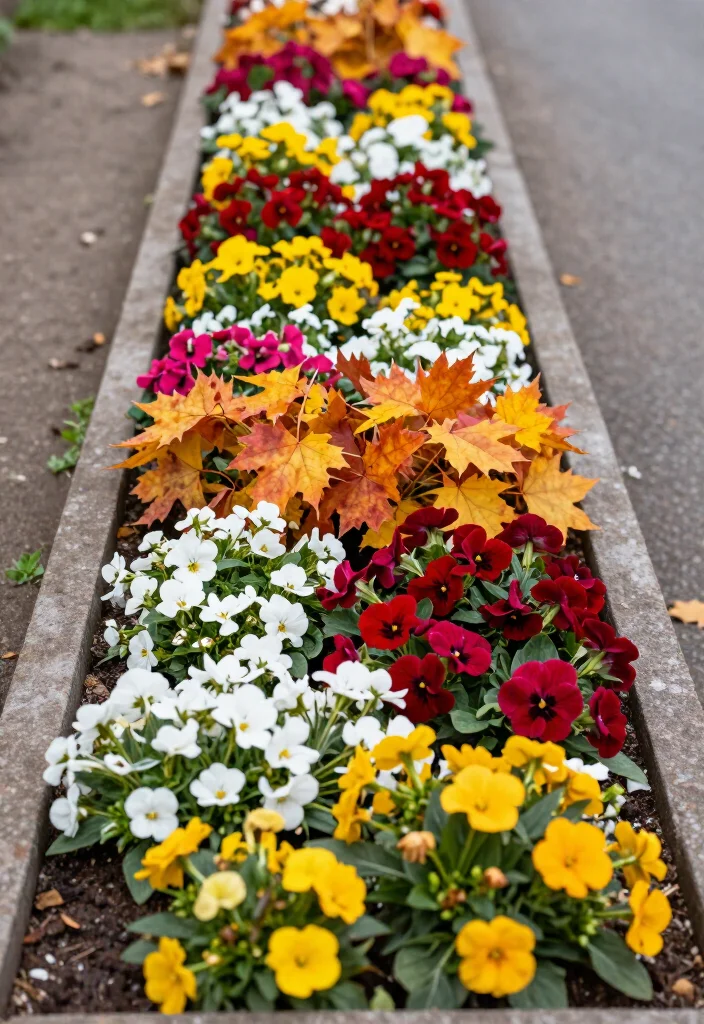
Celebrate the seasons by designing narrow flower beds that reflect seasonal themes and festivities. Use bright, cheerful colors for spring, warm hues for autumn, and even festive decorations for winter. This approach keeps your garden exciting and aligns with holidays throughout the year.
Switch out plants with the seasons while maintaining a foundational design for consistency. This method can elevate your garden’s aesthetic appeal and provide opportunities for festive decor. Use seasonal elements to enhance the festive spirit, incorporating dried arrangements or winter foliage for charm during colder months.
Suggestions for your seasonal displays:
– Switch plants seasonally for fresh looks
– Maintain a consistent foundational design
– Use seasonal colors for thematic appeal
– Add winter foliage for continued interest
Your garden will be a vibrant showcase of seasonal beauty, bringing joy and delight throughout the year.
Conclusion
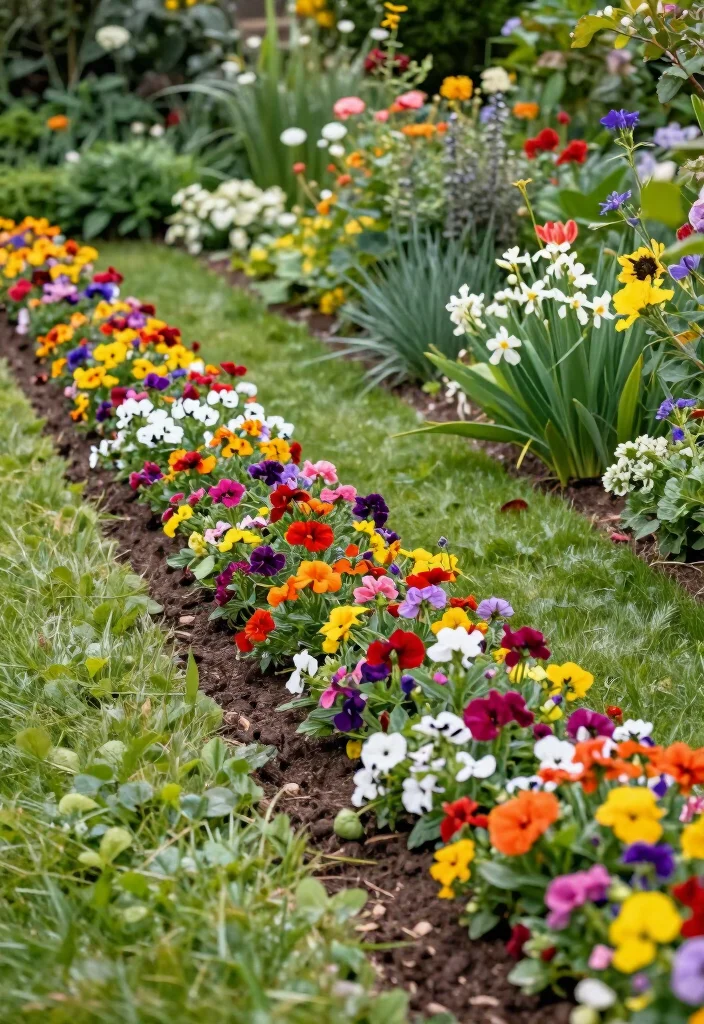
Narrow flower beds offer endless possibilities for creativity and beauty in your garden. From colorful blooms to functional edible gardens, every idea can bring a unique charm to your space. As you plan your narrow flower bed, consider how each design can enhance your outdoor experience and reflect your personal style.
Embrace the joy of gardening and let your imagination flourish! Don’t hesitate to mix and match these ideas to create your own stunning narrow flower bed that will captivate anyone who visits.
Note: We aim to provide accurate product links, but some may occasionally expire or become unavailable. If this happens, please search directly on Amazon for the product or a suitable alternative.
This post contains Amazon affiliate links, meaning we may earn a small commission if you purchase through our links, at no extra cost to you.
Frequently Asked Questions
What are the most practical narrow flower bed ideas to transform a small garden?
Transforming a small garden starts with smart spacing and thoughtful layering.
For a narrow flower bed, try sculpted edges, curved lines to create the illusion of width, and a layered plant list with tall accents at the back and low groundcovers at the front.
Add a focal point like a vertical plant or a decorative stake to draw the eye. Use compact perennials and repeat color or texture to keep the look cohesive in landscaping and garden design.
Practical steps: measure the bed and mark the borders, install a clean edging, choose a simple color palette, plant in gentle drifts, mulch to conserve moisture and reduce weeds, and water deeply until established.
Which plants thrive in a narrow flower bed and how should I choose them for landscaping and garden design?
Choose plants that fit the bed width, sun exposure, and your maintenance preference. For sun, try lavender, salvia, and rudbeckia; for shade, go with ferns, hostas, and astilbe; for year round structure, mix evergreen grasses and small shrubs or dwarf conifers. Group plants in repeats of 2–3 to create rhythm and seamless transitions in landscaping and garden design.
Practical tips: map your sun hours and plan plant positions accordingly; pick a color palette that repeats across the bed; choose compact varieties labeled for narrow or border use; allow for adequate spacing so each plant has room to mature without crowding the edge.
How can I maximize space and curb appeal with a narrow flower bed in landscaping?
Maximize space and curb appeal by using curves, consistent edging, and varied textures. Start with a gentle curve along the bed to add depth; repeat the same edging material to unify the space in both landscaping and garden design.
Choose a color progression across the bed (cool tones near the path, pops of warm color at focal points). Incorporate drought-tolerant options to reduce maintenance. Include vertical accents like a slim trellis or narrow ornamental grasses to draw the eye upward. Finish with a neat mulch layer and regular pruning to keep the narrow space looking tidy.
What are affordable, easy-to-maintain ideas for seasonal color in a narrow flower bed?
Affordable, easy to maintain seasonal color ideas include quick-blooming annuals and repeat color blocks. Think calibrachoa, lobelia, alyssum for continuous color; mix in evergreen fillers for year-round structure. Plant in drifts along the bed with 2–3 color groups; keep cost down by buying plug plants or using seeds. Use mulch and drip irrigation to reduce water use and keep maintenance low. Pair with a small container or vertical planter if space is truly tight and you want instant color. In landscaping and garden design terms this keeps the narrow bed vibrant without overwhelming it.
What is the simplest, most beginner-friendly idea from the article that I can try in a narrow flower bed, and how do I implement it?
Start with a simple curved border and a single color family with an easy focal point. Steps: identify a curved edge along your narrow bed; choose 2–3 compact perennials or evergreen grasses; plant in soft drifts for a natural look; add mulch to a 2 inch depth to suppress weeds; water deeply until established and then maintain with occasional pruning. This approach delivers instant impact in narrow flower bed landscaping and is easy to maintain as part of your garden design.

 Debby Windischmann