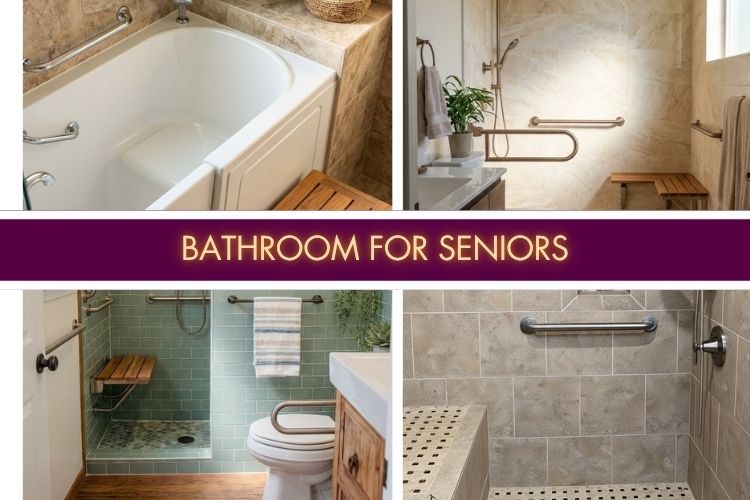
Upgrading a bathroom for seniors is one of the most critical home improvement projects you can tackle to ensure long-term independence and bathroom safety. The focus here should be entirely on practical, solution-oriented fixes that mitigate the risk of falls and make daily hygiene routines as straightforward as possible.
Whether you are preparing for a full bathroom remodel or making quick weekend updates for aging in place, focusing on functional, ADA-compliant features is key. Here are 17 actionable upgrades to instantly improve your space’s accessibility.
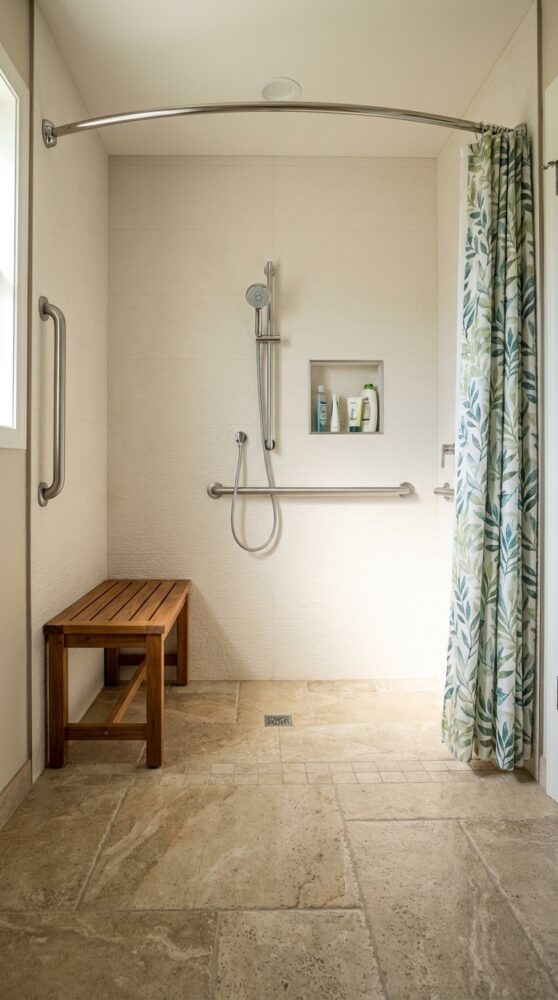
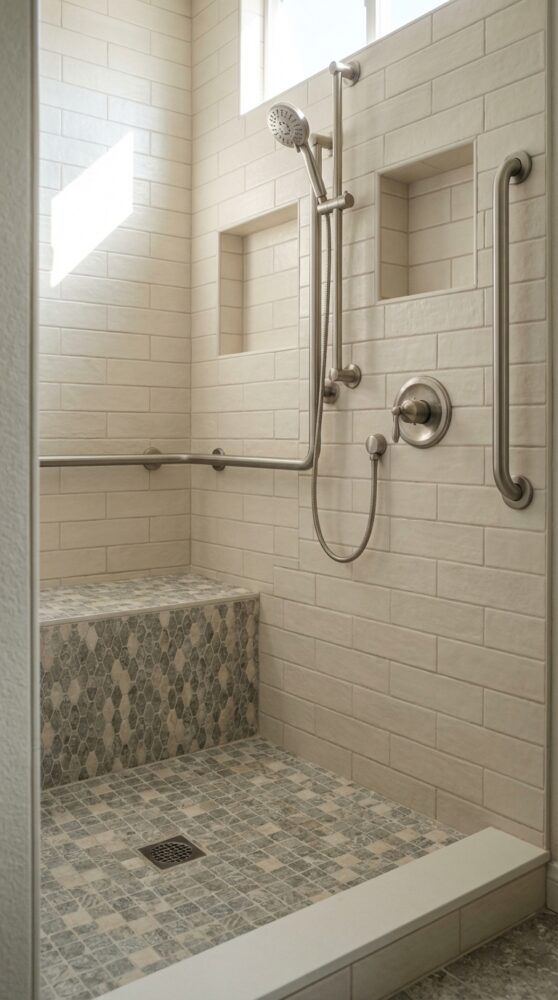
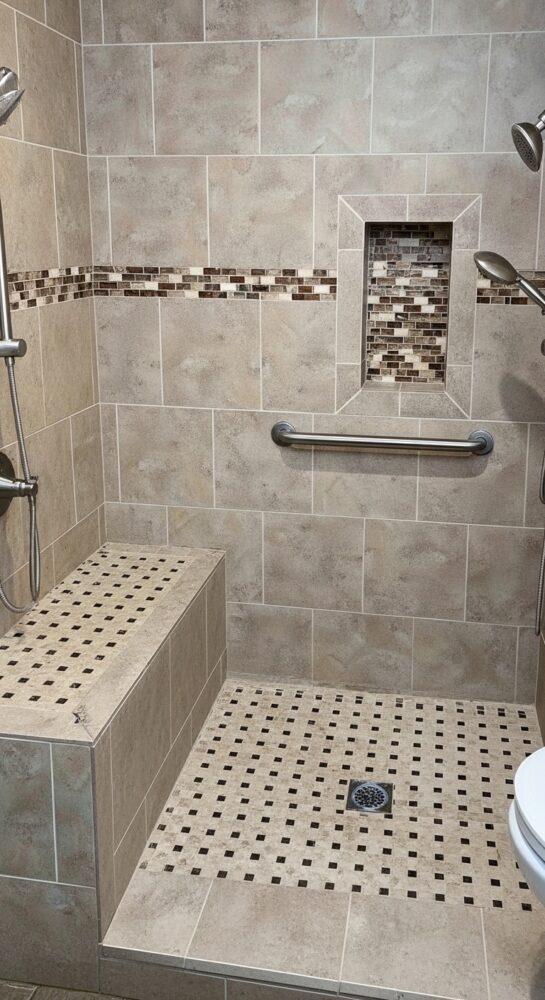
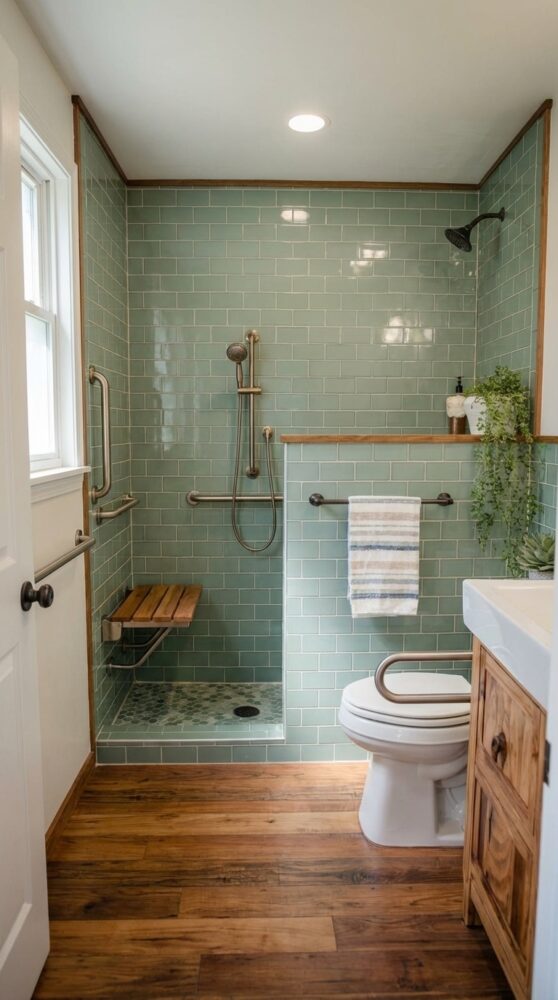
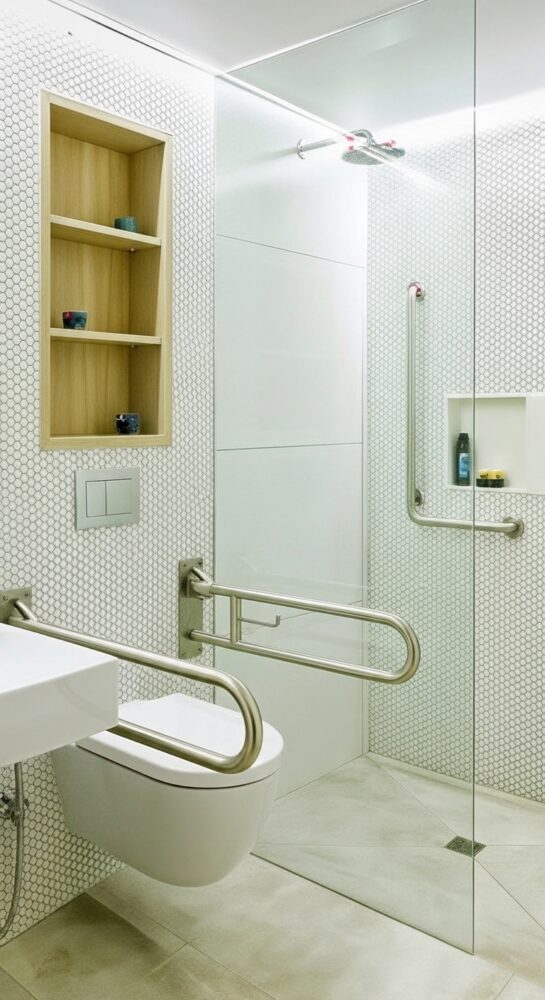
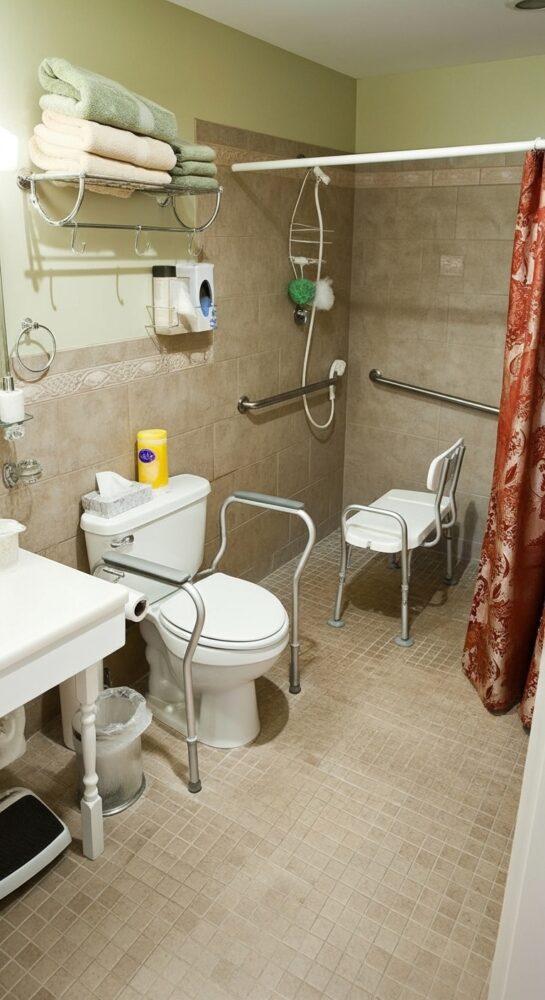
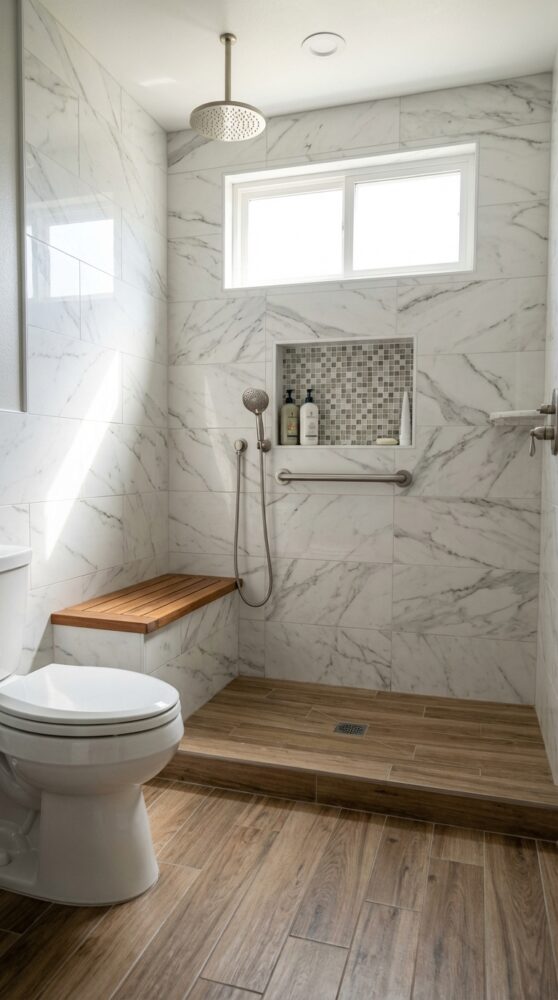
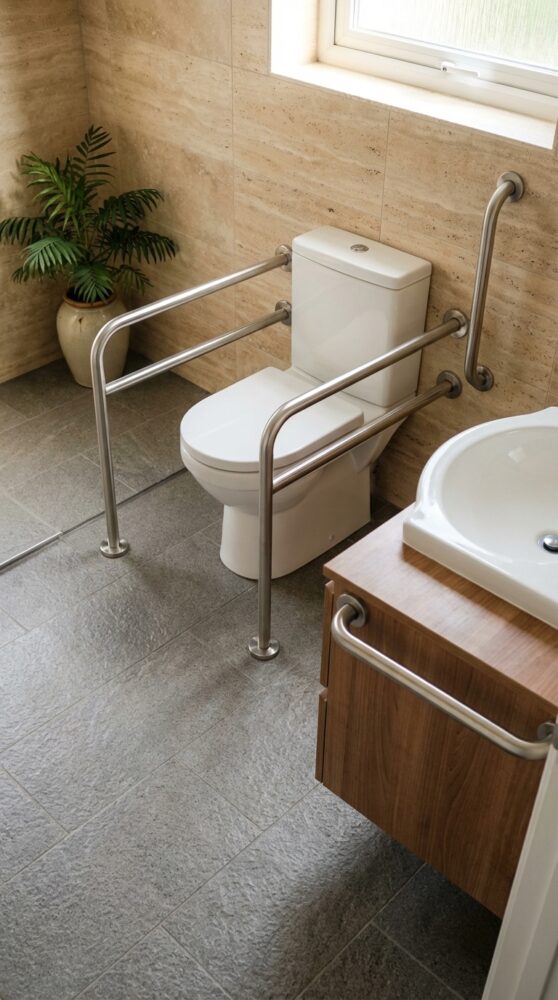
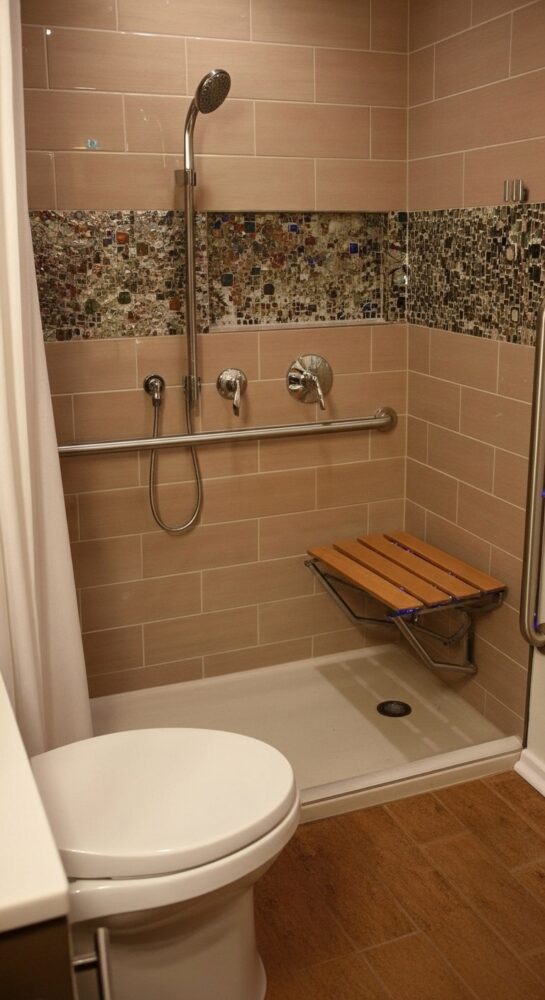
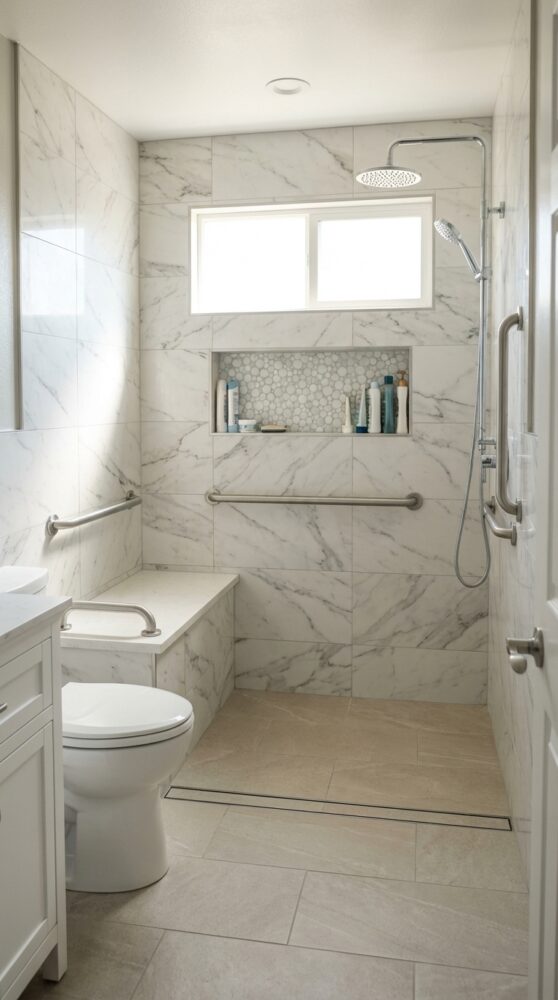
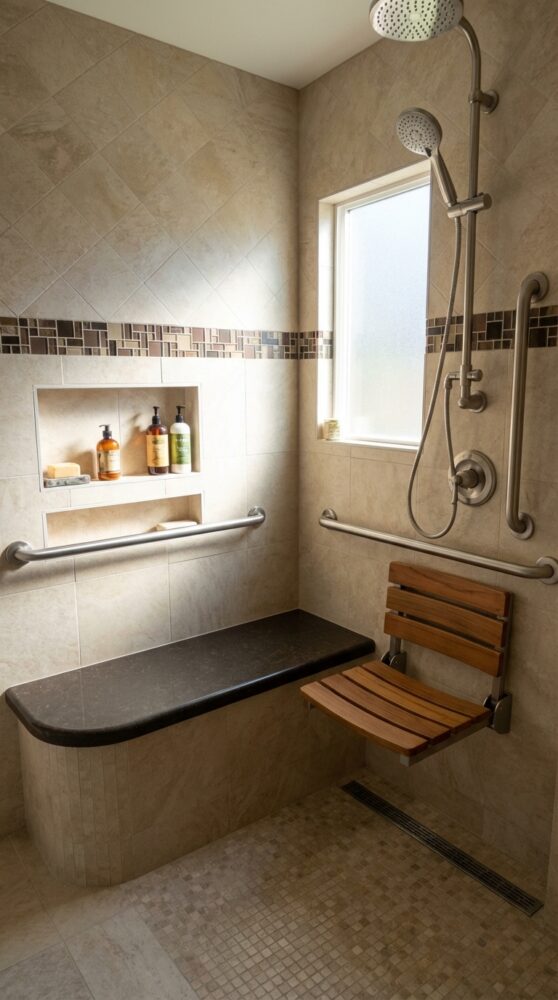
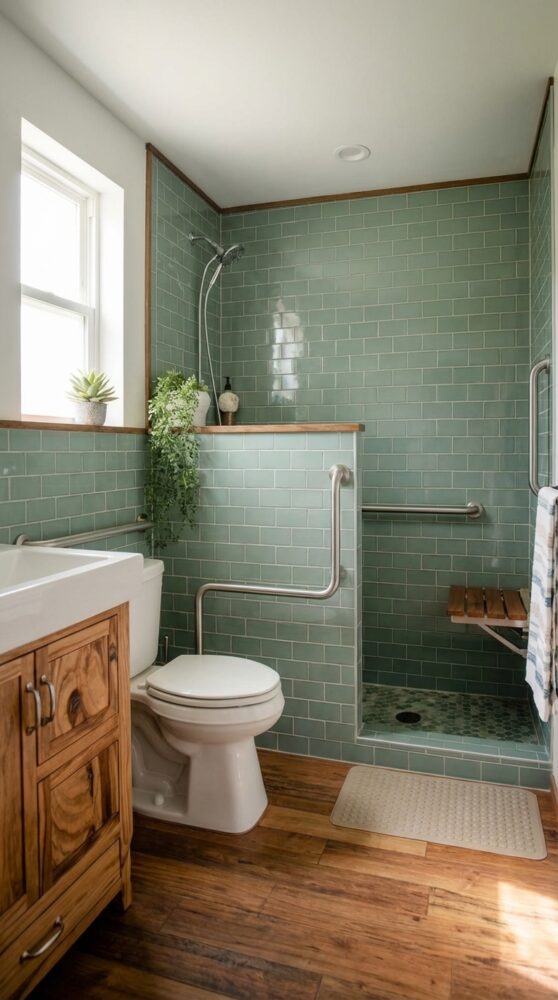
Eliminate Tripping Hazards
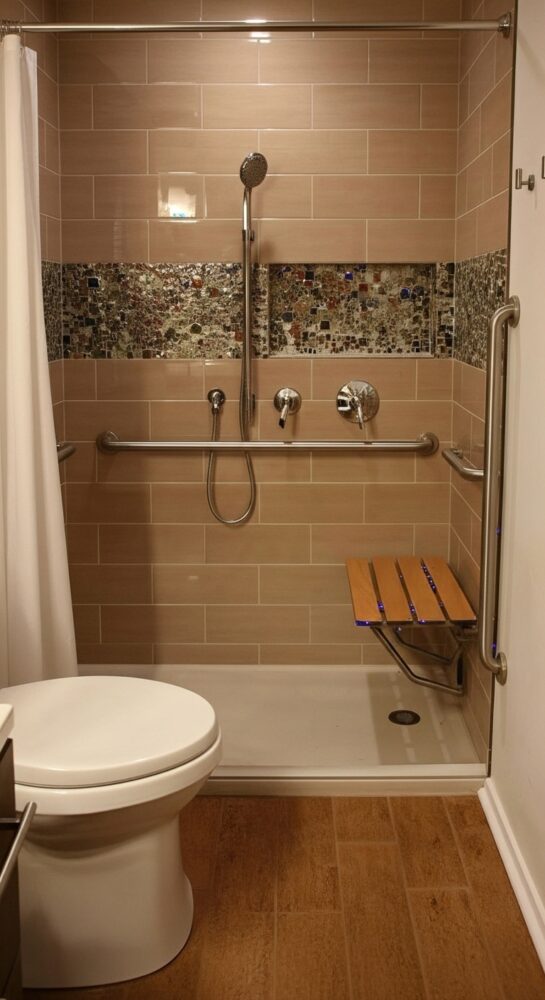
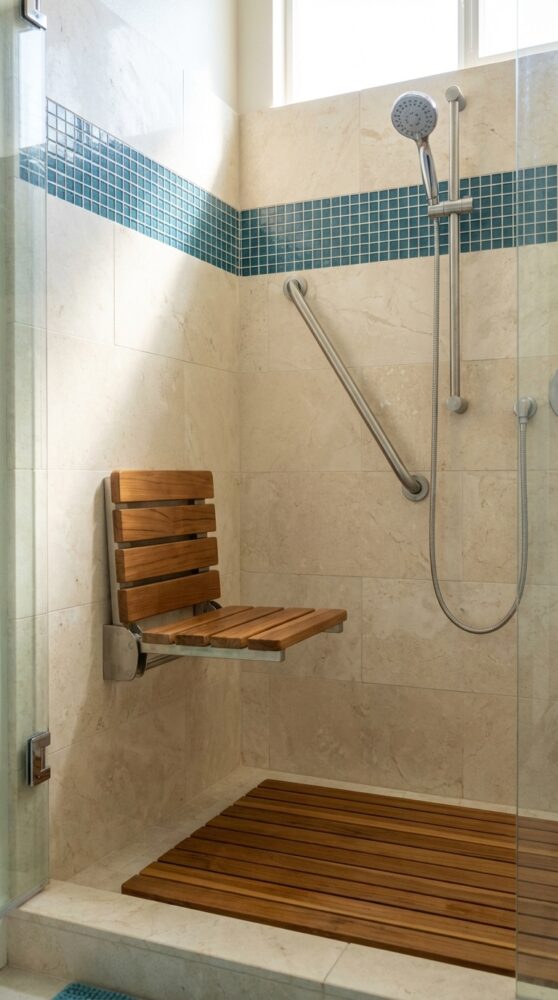
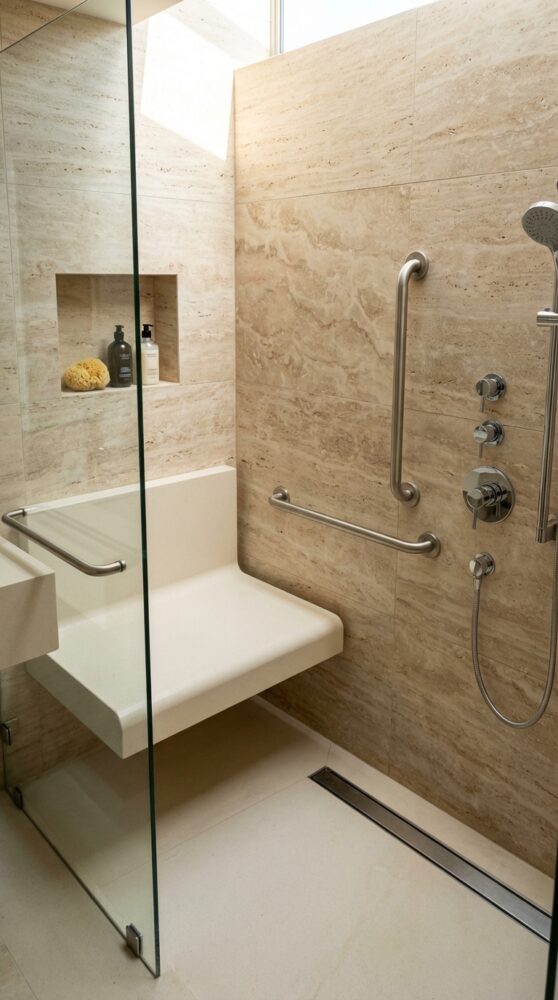
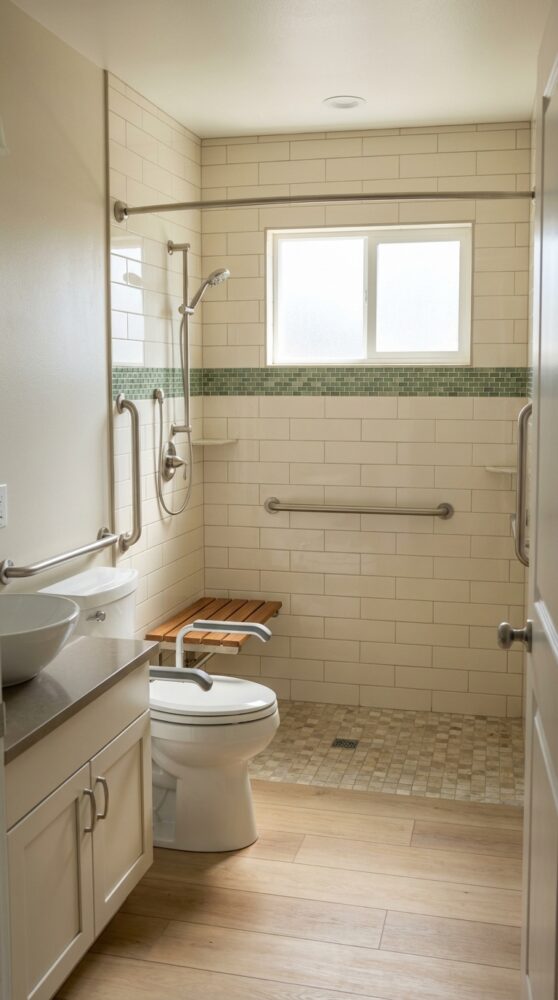
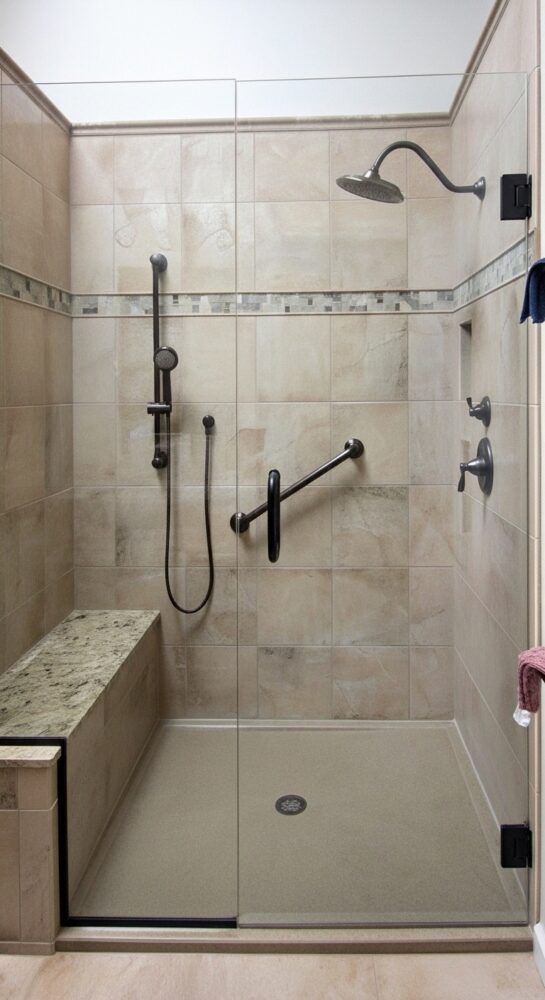
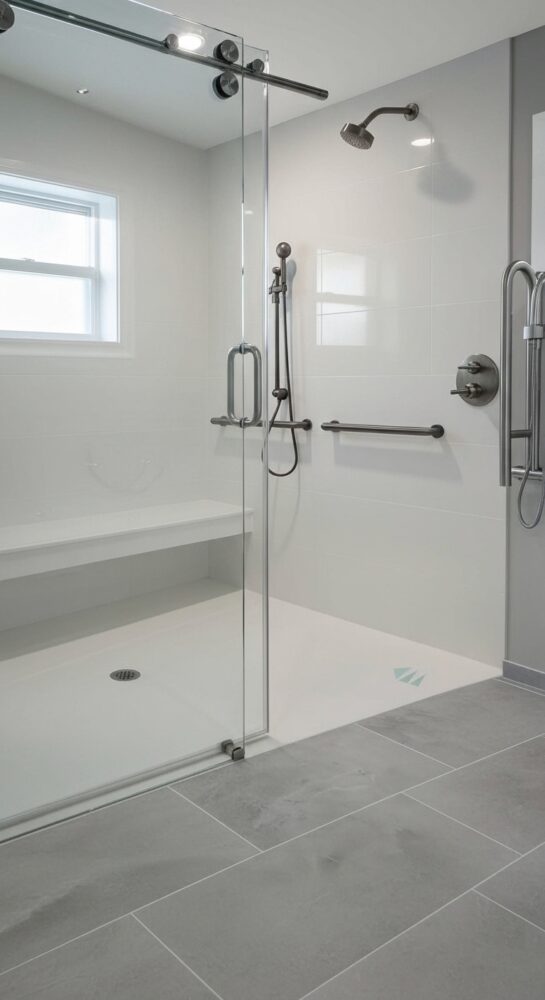
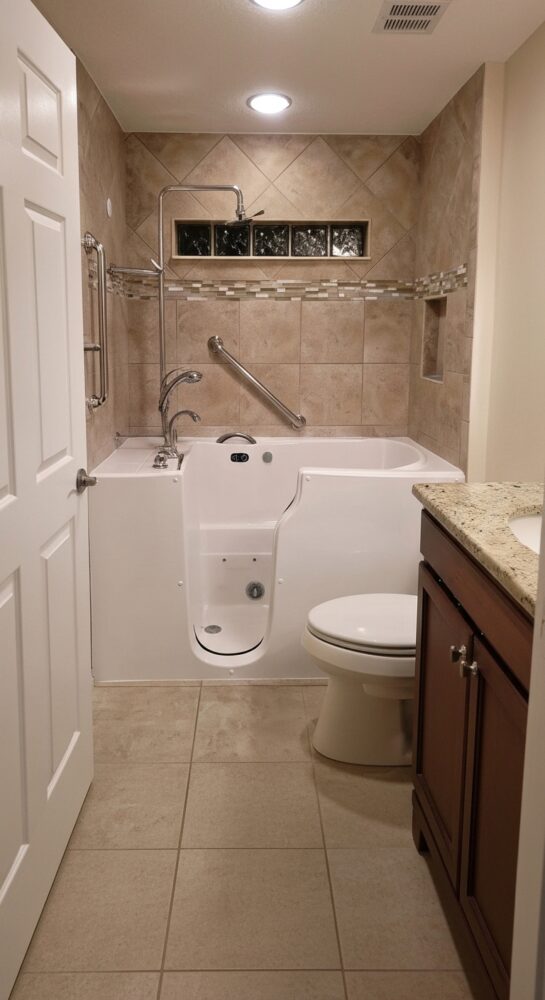
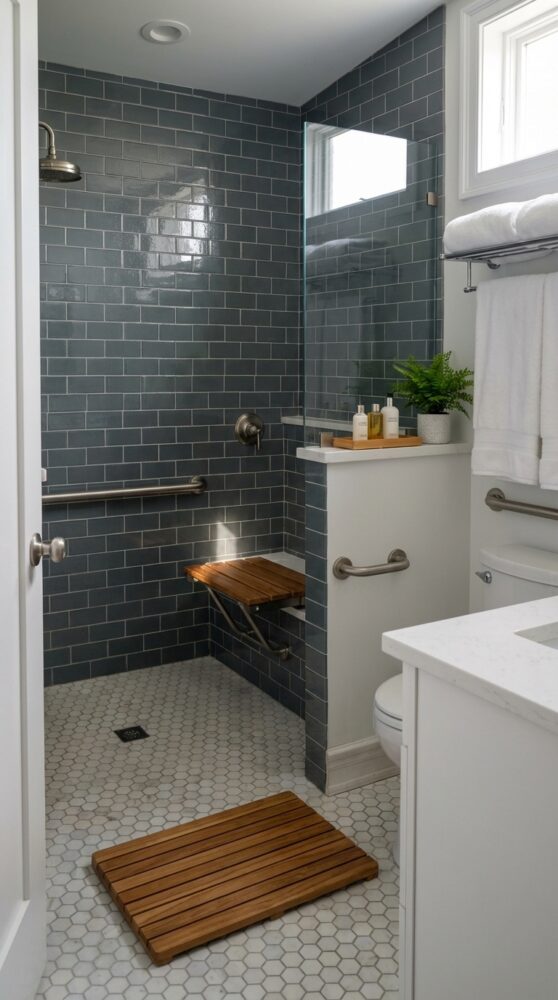
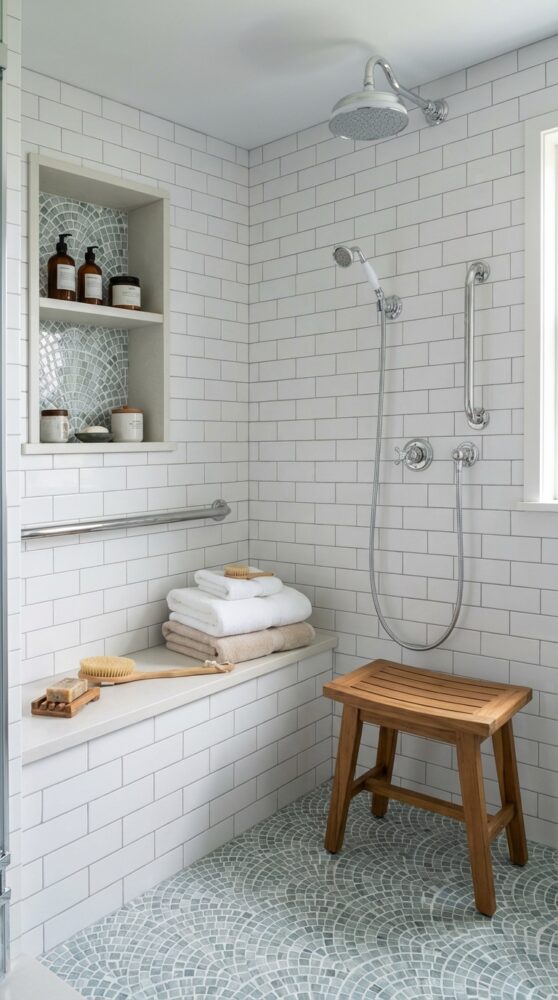
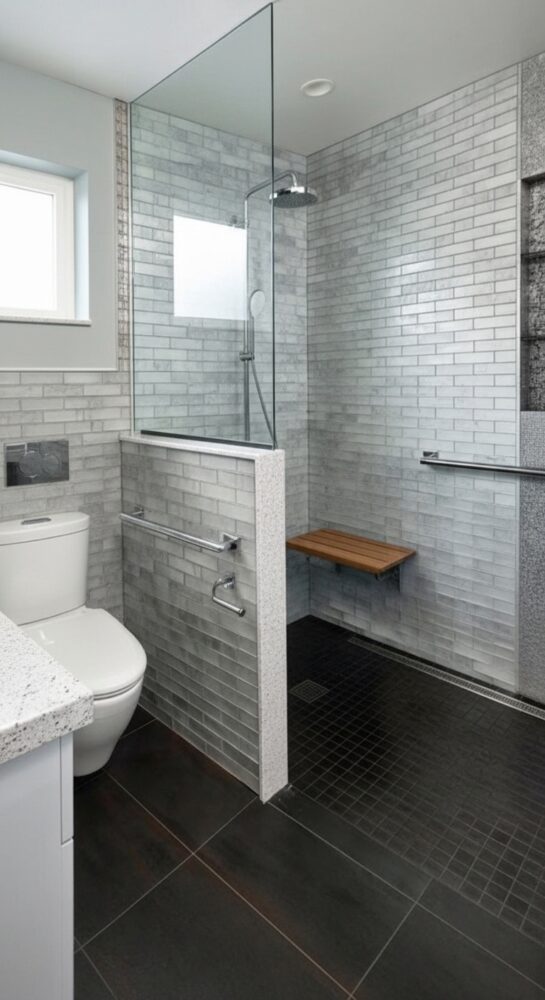
Traditional shower curbs are a major obstacle for those with limited mobility. Installing a Curbless Shower Pan creates a seamless transition from the bathroom floor to the shower, perfect for wheelchairs or walkers.
Instant Floor Traction
Slippery tiles are the number one cause of bathroom falls. Applying a clear Anti-Slip Floor Treatment to your existing tiles dramatically increases traction without changing the look of your room.
Sturdy Shower Seating
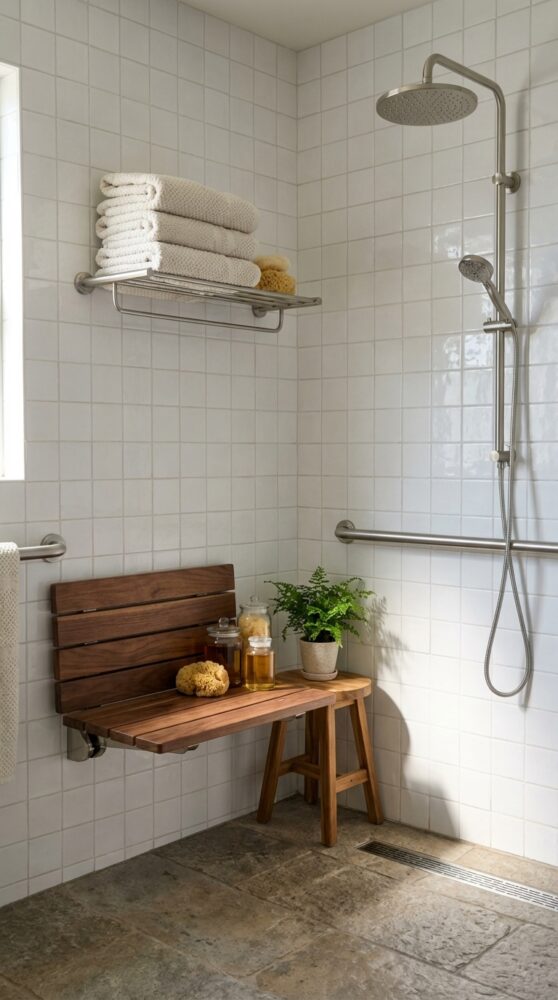
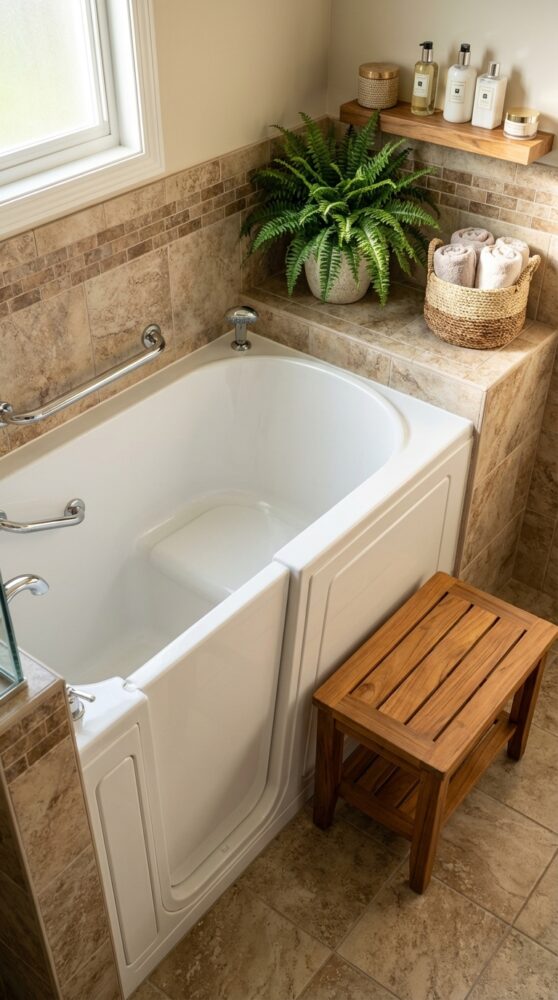
For those who cannot stand for long periods, a reliable seat is mandatory. A medical-grade Heavy-Duty Shower Chair with a backrest and armrests provides maximum stability during washing.
Toilet Assistance
Sitting down and standing up requires significant lower body strength. Attaching heavy-duty Toilet Safety Rails directly to the toilet frame gives users sturdy handles to push off from safely.
Automated Illumination
Fumbling for light switches in the dark is a recipe for disaster. Hardwiring a Motion Sensor Ceiling Light ensures the room is brightly lit the second someone walks through the door.
Scald Prevention
Slower reaction times can make unexpected hot water dangerous. Installing a Thermostatic Shower Valve automatically regulates water temperature, completely preventing accidental burns.
No-Reach Cleaning
Washing your back and feet shouldn’t require dangerous bending or twisting. A curved, Long-Handled Bath Sponge allows seniors to clean hard-to-reach areas comfortably while seated.
Hands-Free Hygiene
Reducing the spread of germs and minimizing required hand strength is essential. A battery-operated Touchless Soap Dispenser provides the perfect amount of soap without any pushing or pumping.
Accessible Grooming
Standard vanities can be impossible to use from a seated position. Swapping your cabinet for an Adjustable Height Vanity provides necessary knee clearance for wheelchair users.
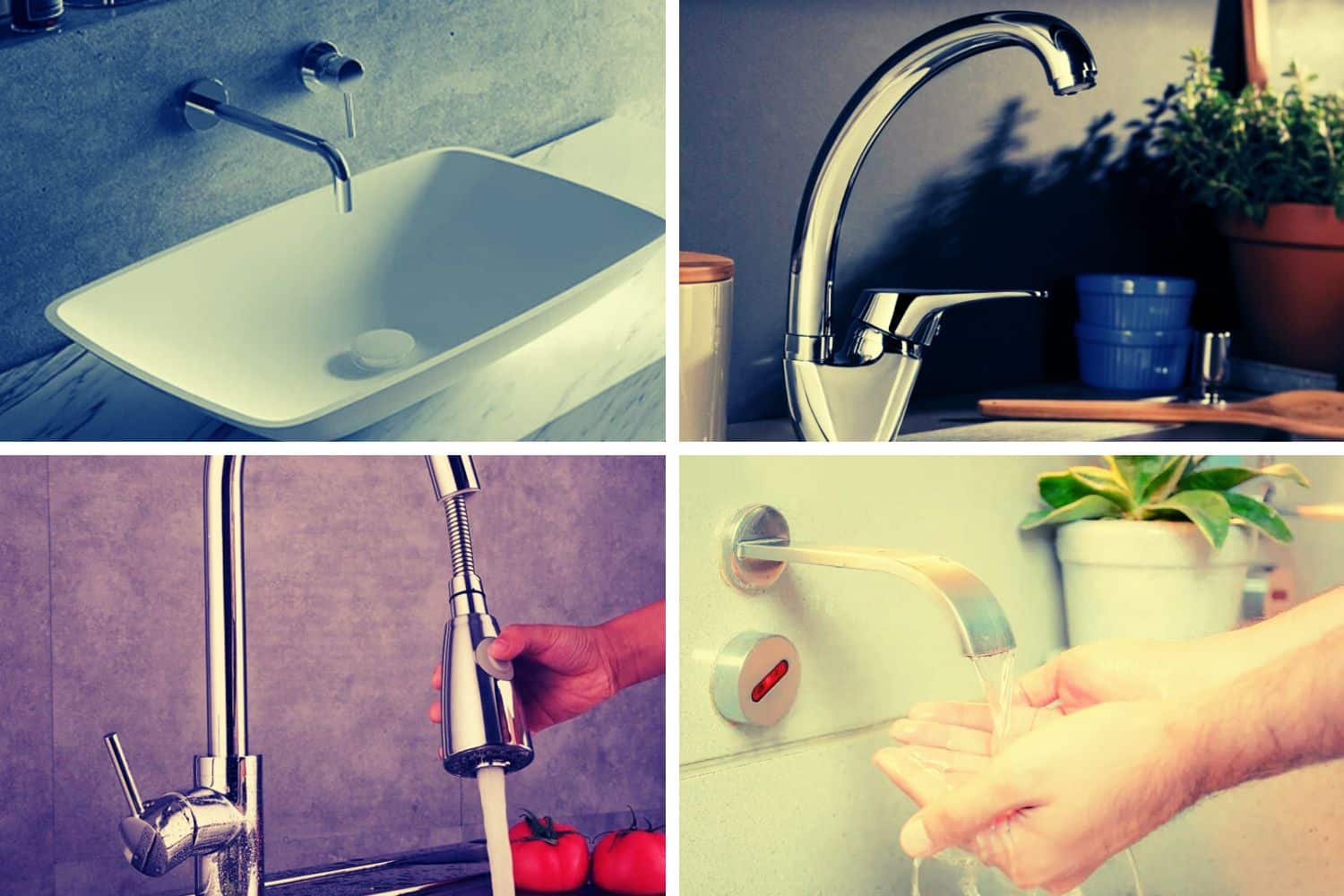
Easy-Grip Faucets
If replacing a whole faucet isn’t in the budget, you can still improve grip. Slipping a rubberized Silicone Faucet Extender over existing knobs provides the leverage needed for weak hands.
Secure Floor Coverings
Loose rugs are dangerous tripping hazards that must be addressed immediately. Securing all mats to the floor with strong Double-Sided Rug Tape ensures they will not slide or bunch up underfoot.
Simple Water Control
Traditional shower dials can be confusing and hard to turn. A Push-Button Shower Controller allows users to start, stop, and pause water flow with the simple press of a button.
Safe Stepping Surfaces
Thick, plush rugs can catch on walkers or shuffling feet. Opting for a Low-Profile Bath Rug provides water absorption without creating a dangerous height difference on the floor.
Emergency Readiness
Accidents happen, and communication is vital. Placing a loud, easy-to-press Waterproof Call Bell near the floor can be a lifesaver if a senior falls and cannot reach the door.
Organized Bathing
Reaching outside the shower for shampoo can throw a bather off balance. Installing a rust-proof Shower Caddy Tension Pole keeps all washing essentials safely within arm’s reach.
Knee Protection
For caregivers assisting with bathing, leaning over a hard tub is painful. A thick, water-resistant Cushioned Kneeling Pad saves the caregiver’s joints during bath time.
Clear Pathways
Trailing cords from hairdryers or electric razors can cause severe trips. Using self-adhesive Cord Organizer Clips along the vanity wall keeps wires safely out of walking paths.