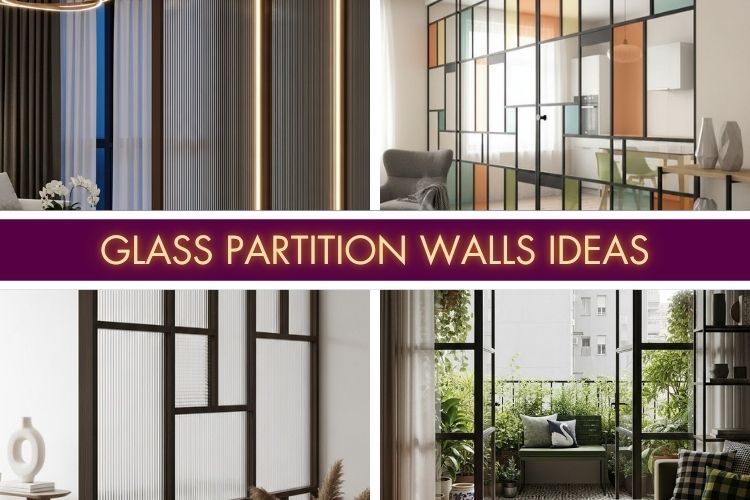
Glass partition walls ideas are currently redefining the architecture of the modern home. For years, the open-plan concept reigned supreme. We knocked down every wall in sight.
However, we discovered a flaw. Open-plan living is noisy. It lacks privacy. It allows cooking smells to permeate the sofa.
The solution is the “Broken Plan” layout. This design strategy uses glass to define zones without blocking light. It offers connectivity with boundaries.
In this guide, we will explore specific design concepts. We will look at industrial grids, textured glass, and smart zoning strategies. Prepare to see your space through a new lens.
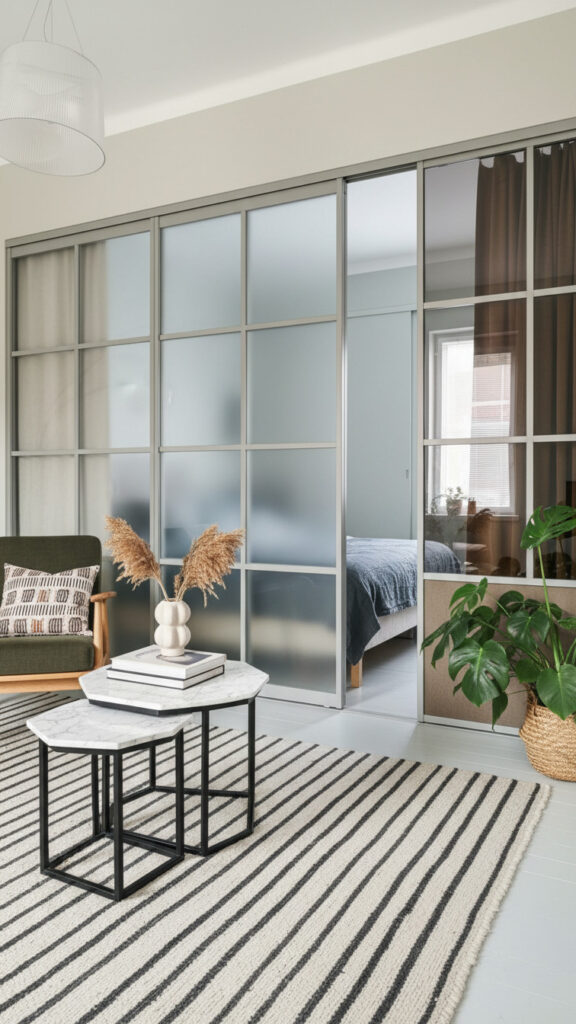
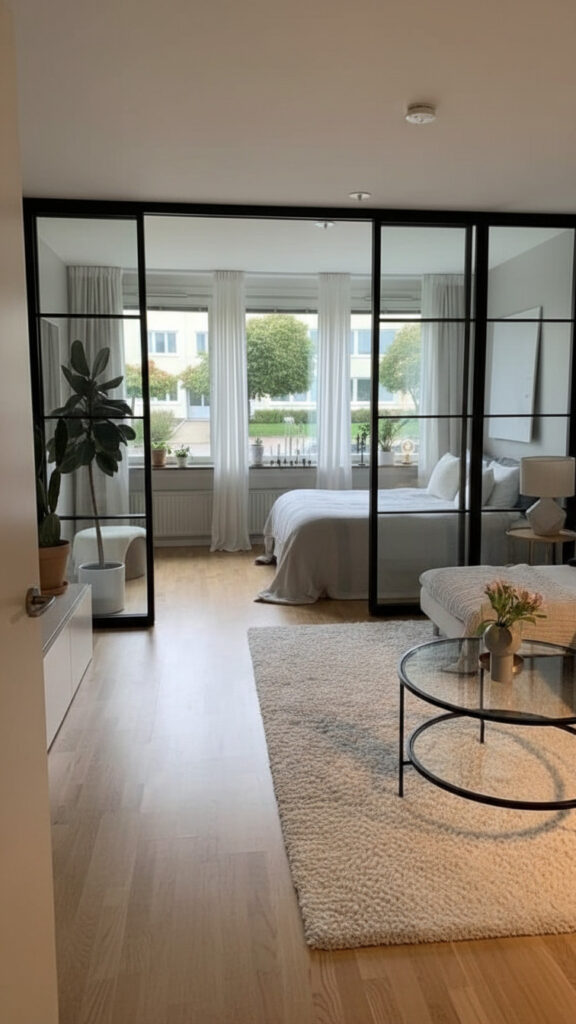
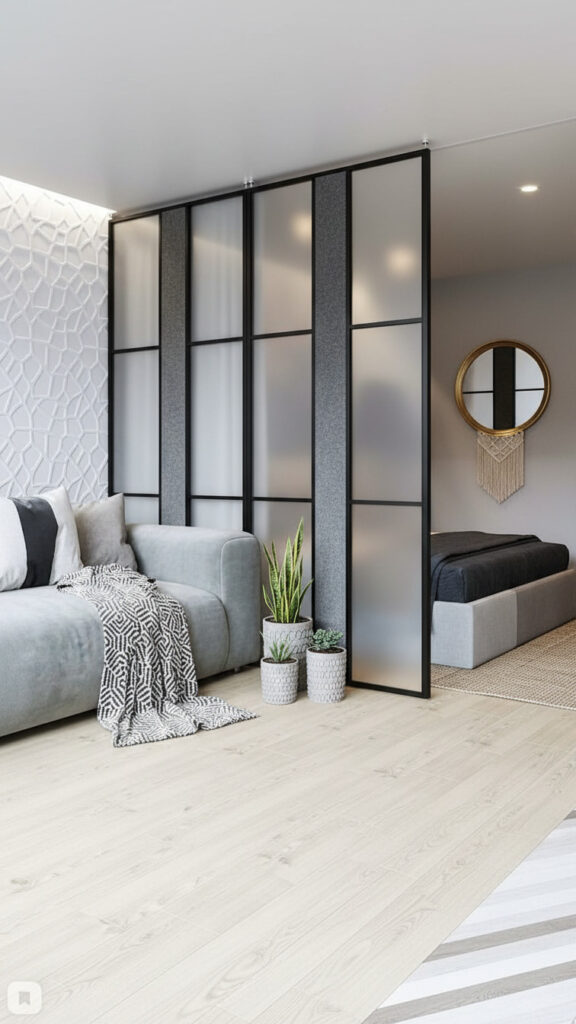
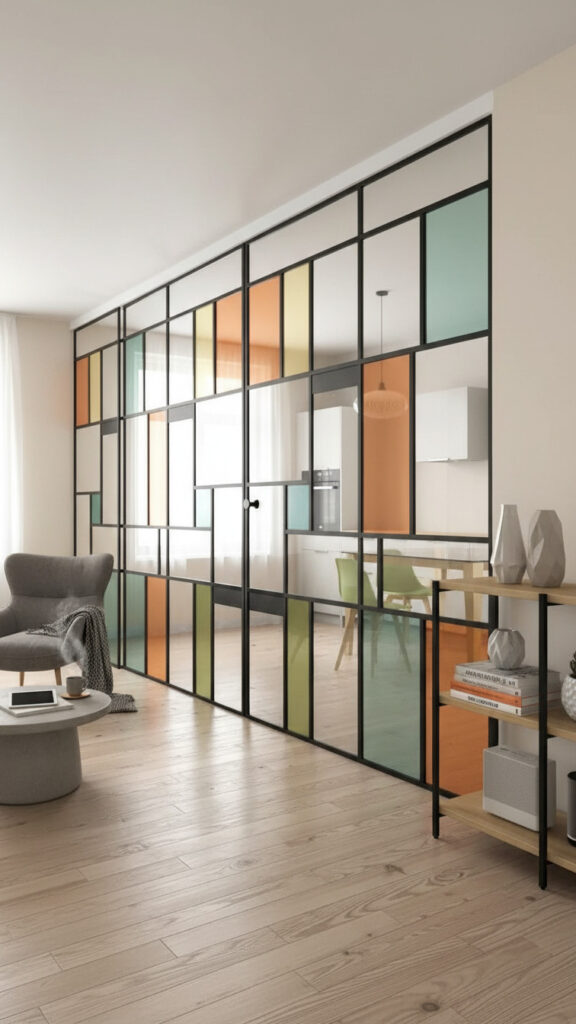
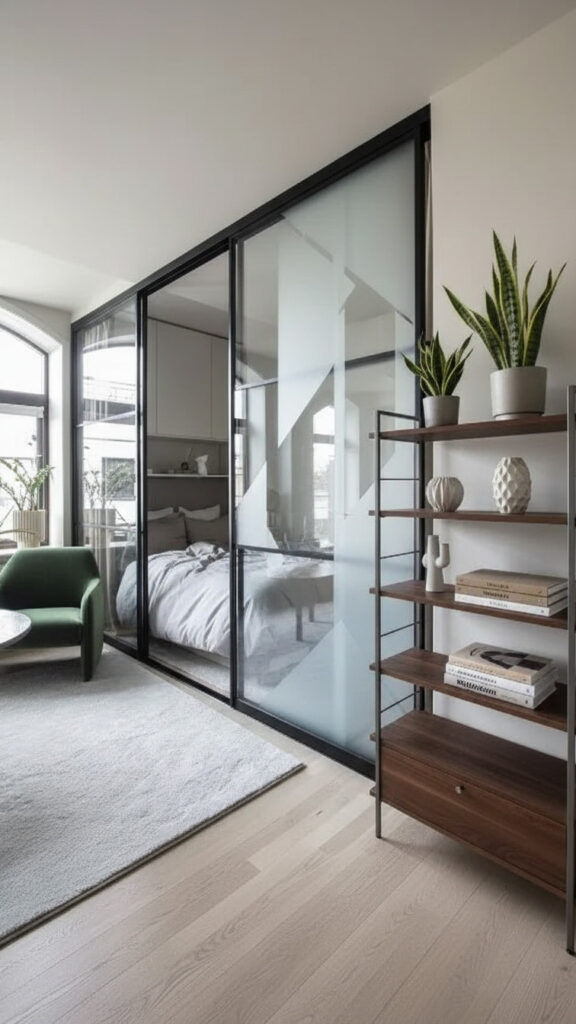
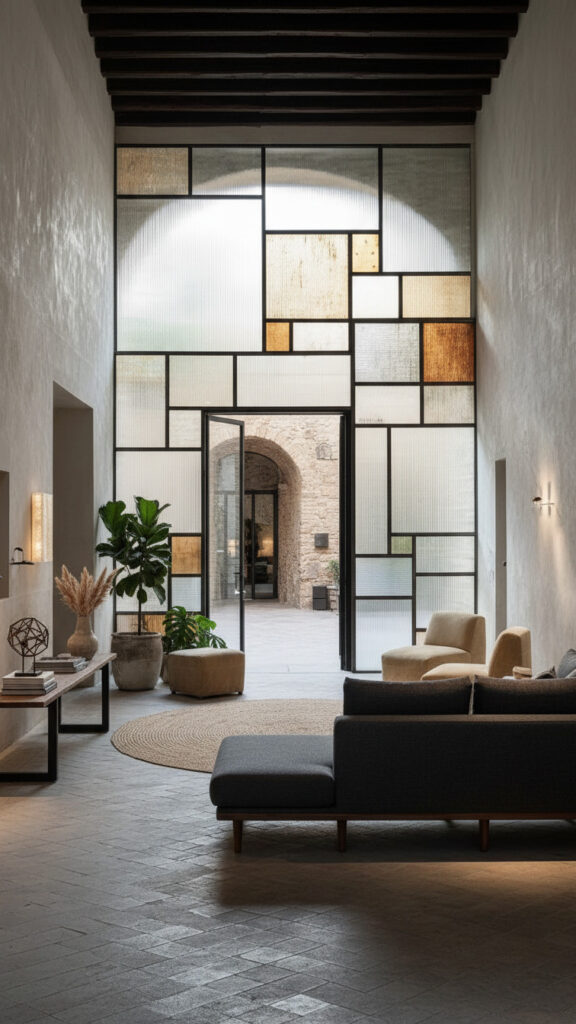
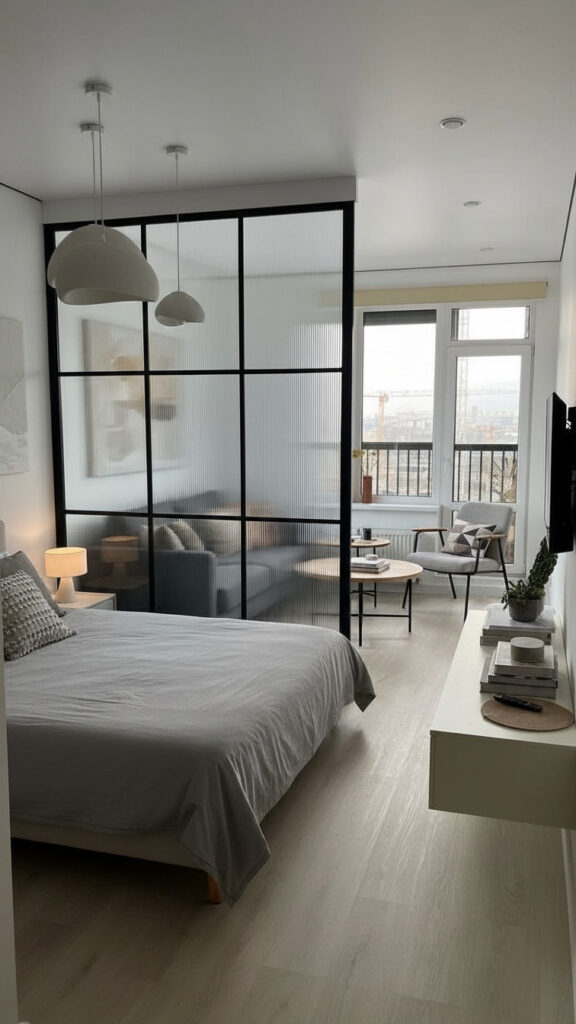
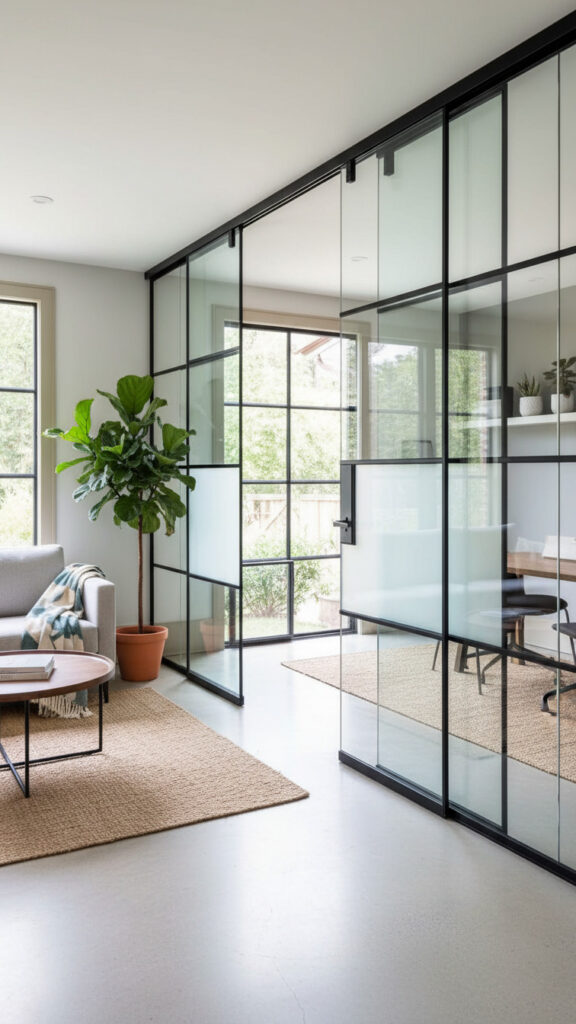
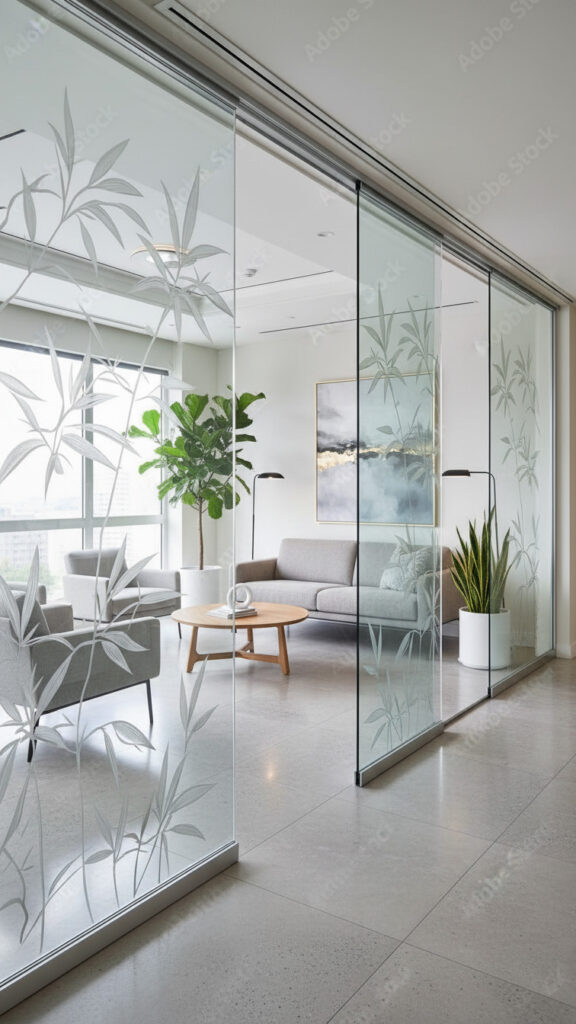
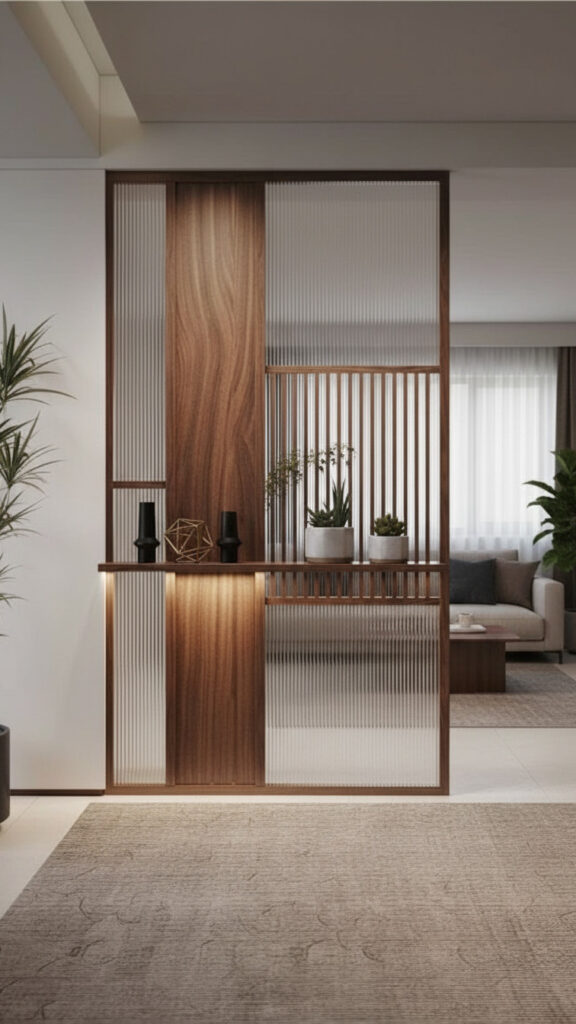
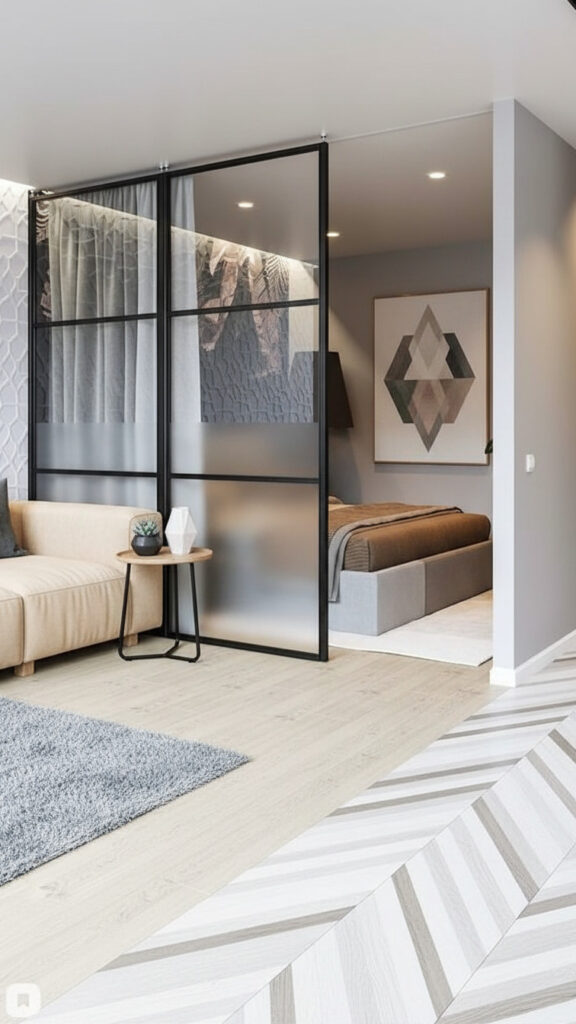
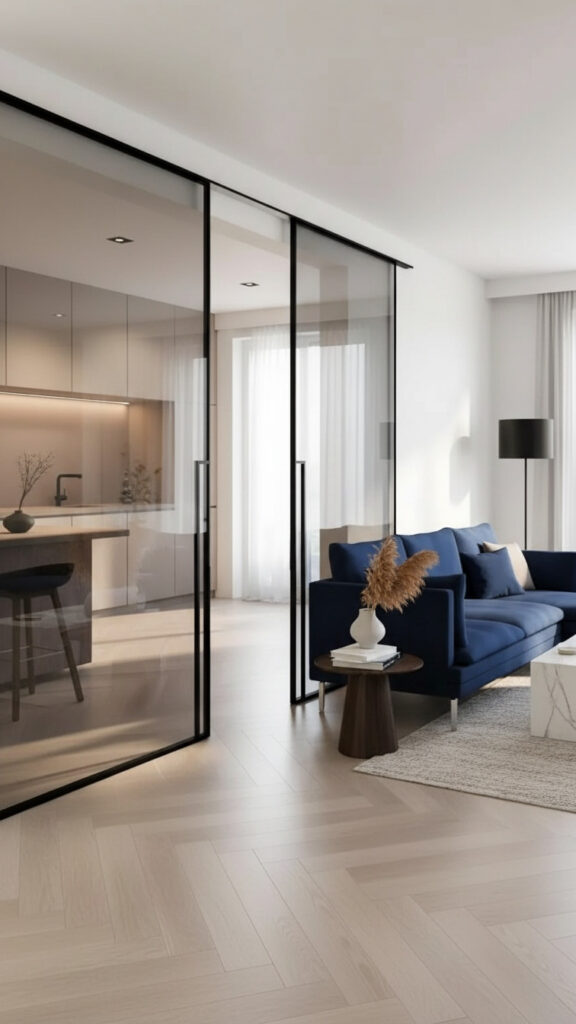
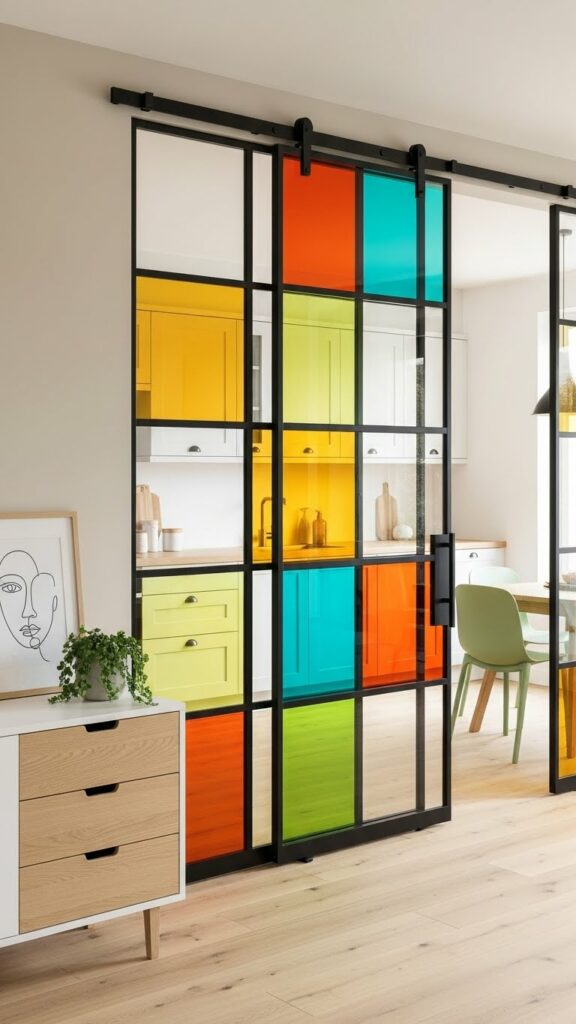
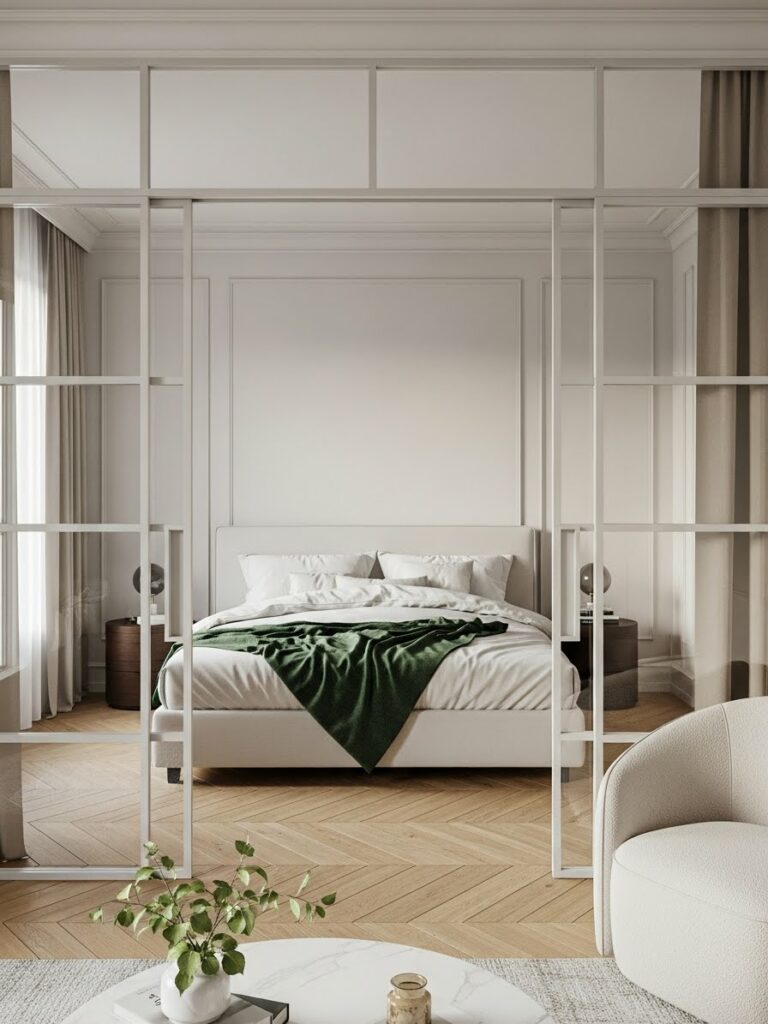
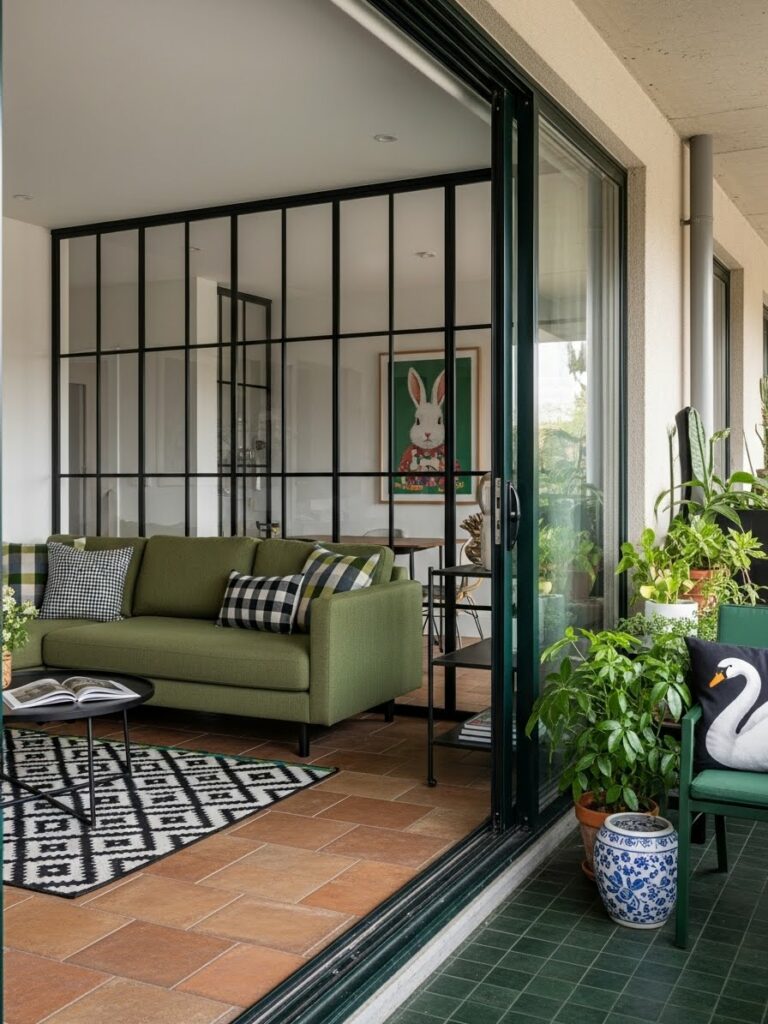
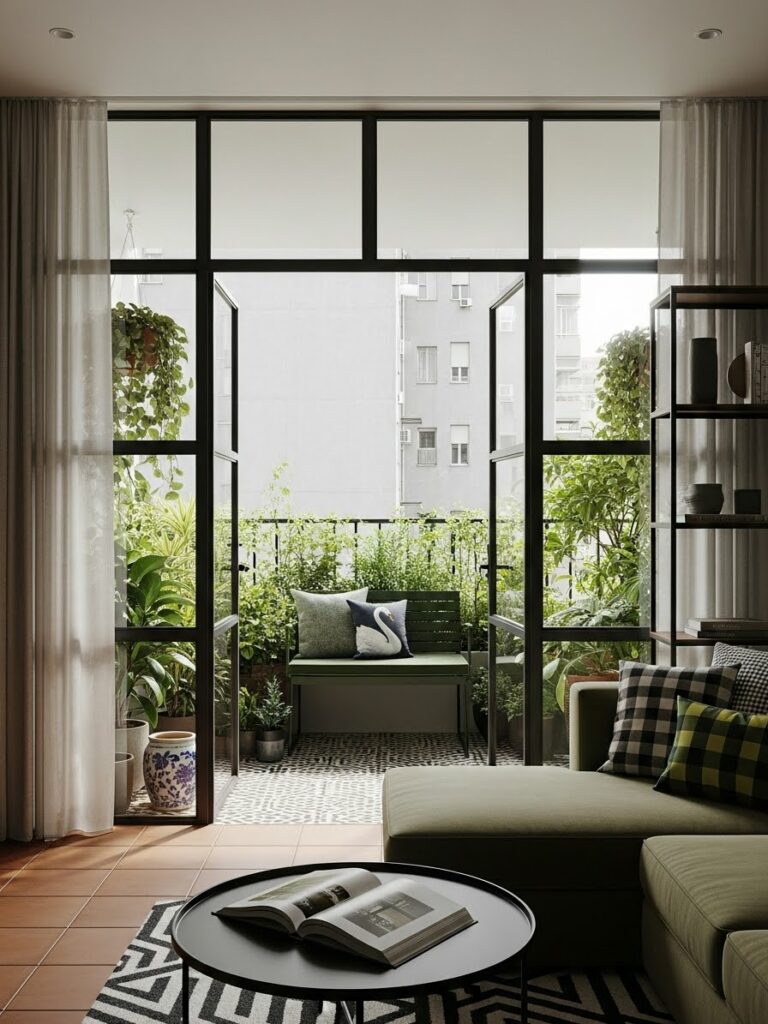
The Industrial Grid (Crittall Style)
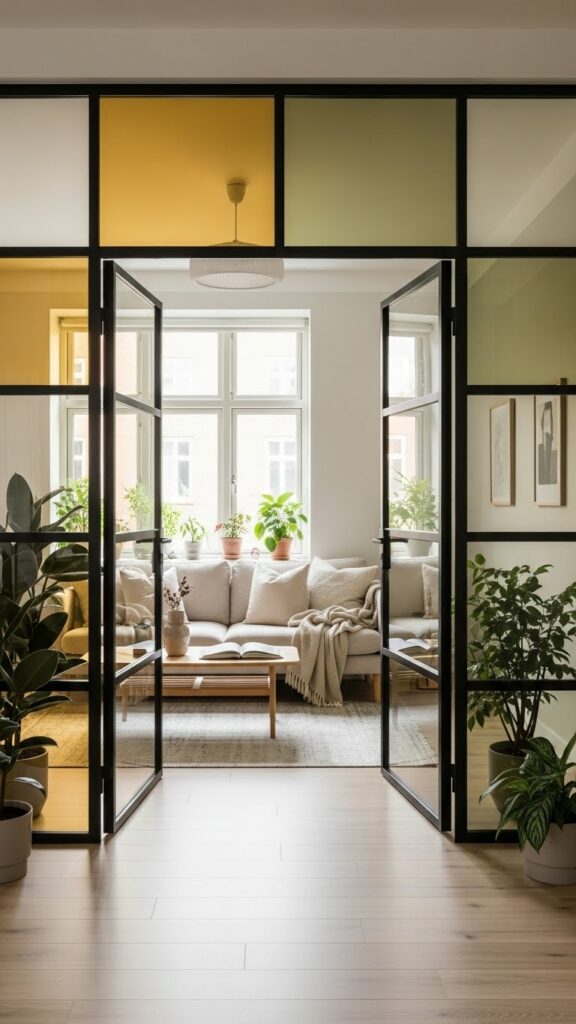
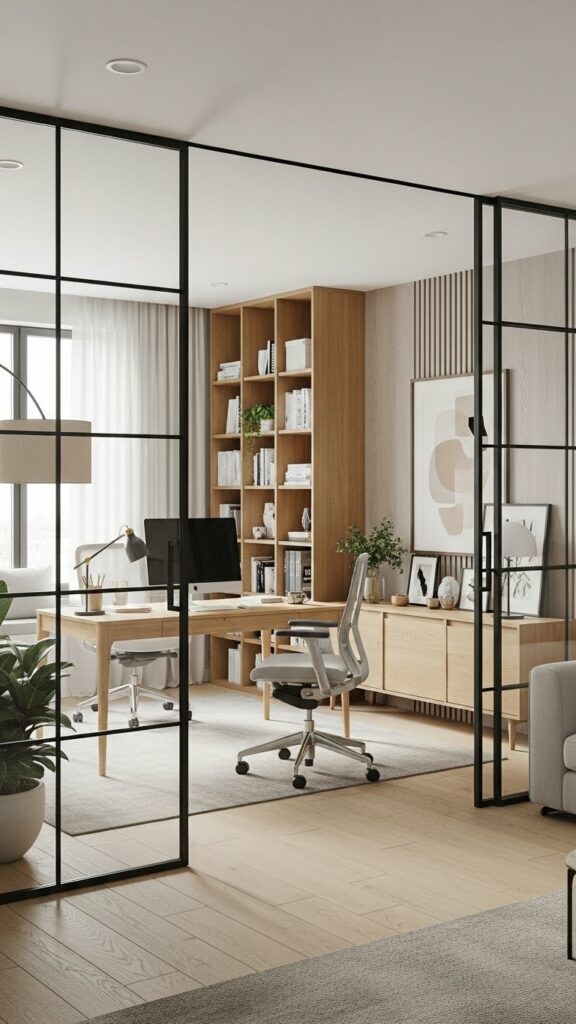
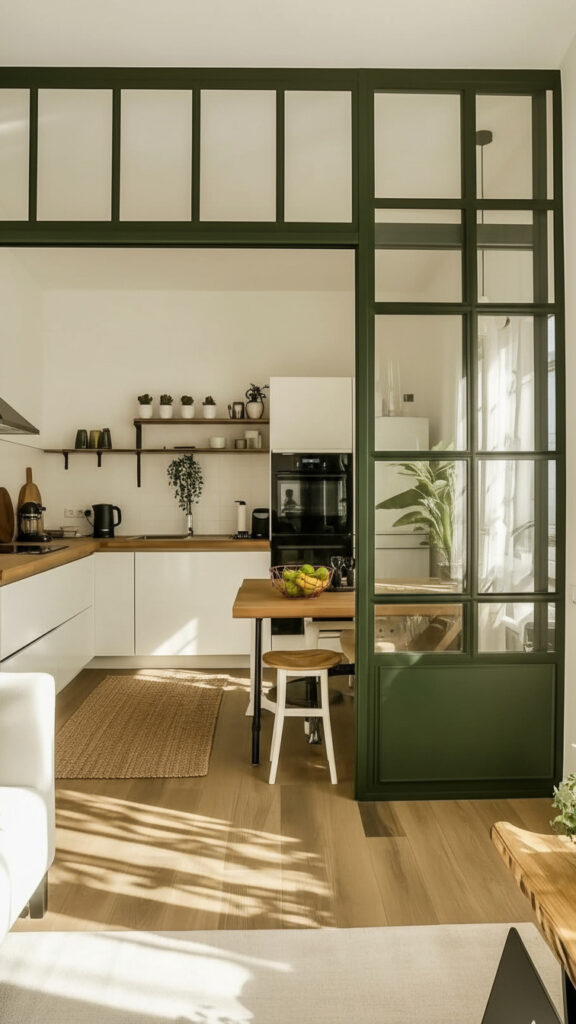
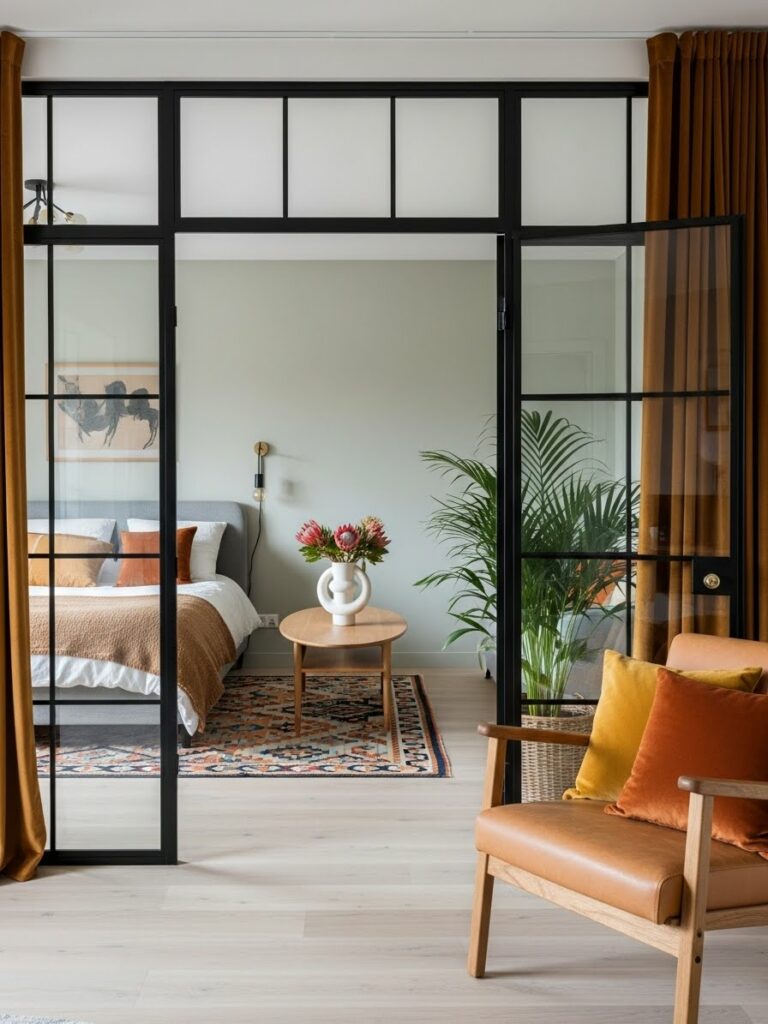
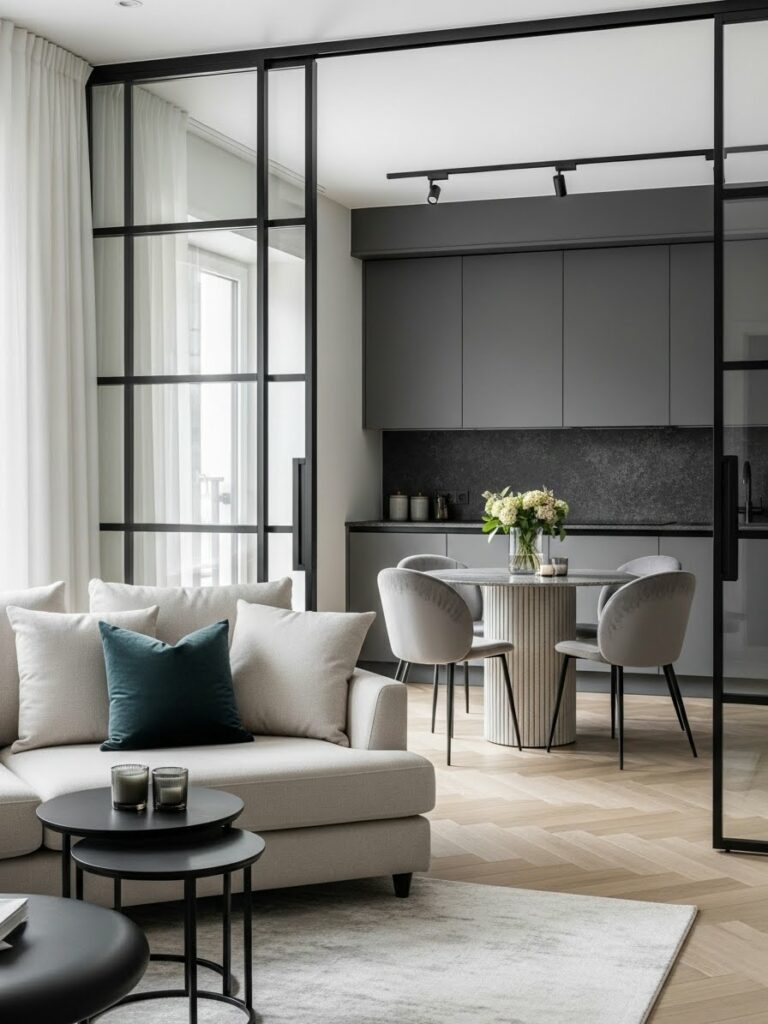
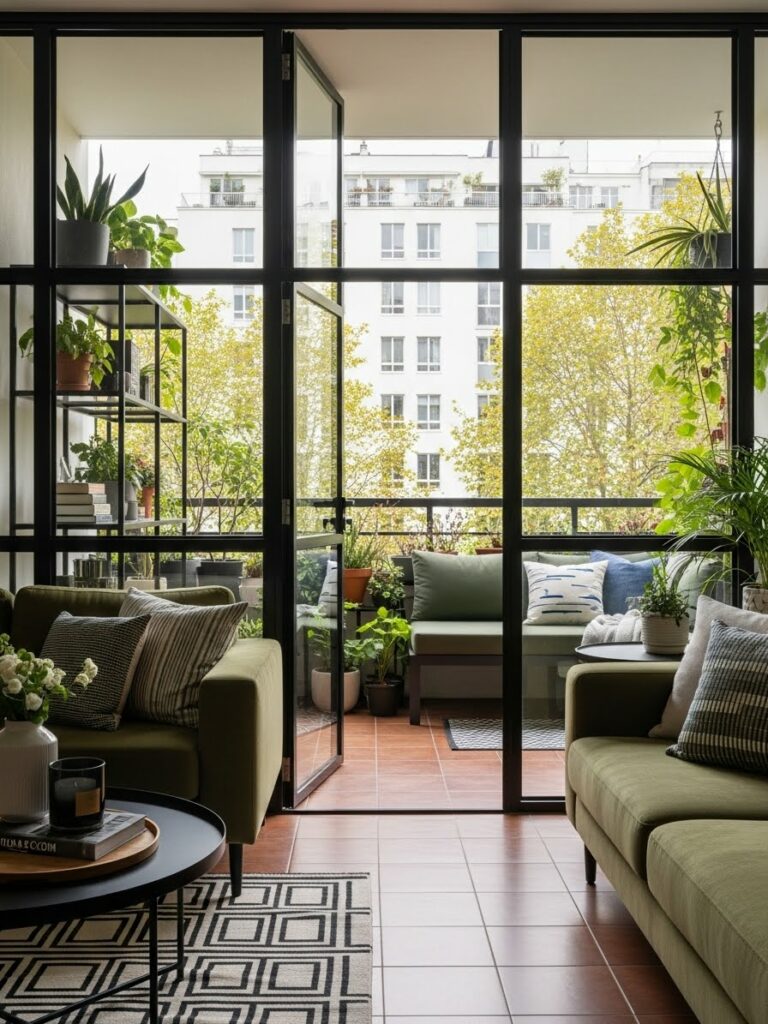
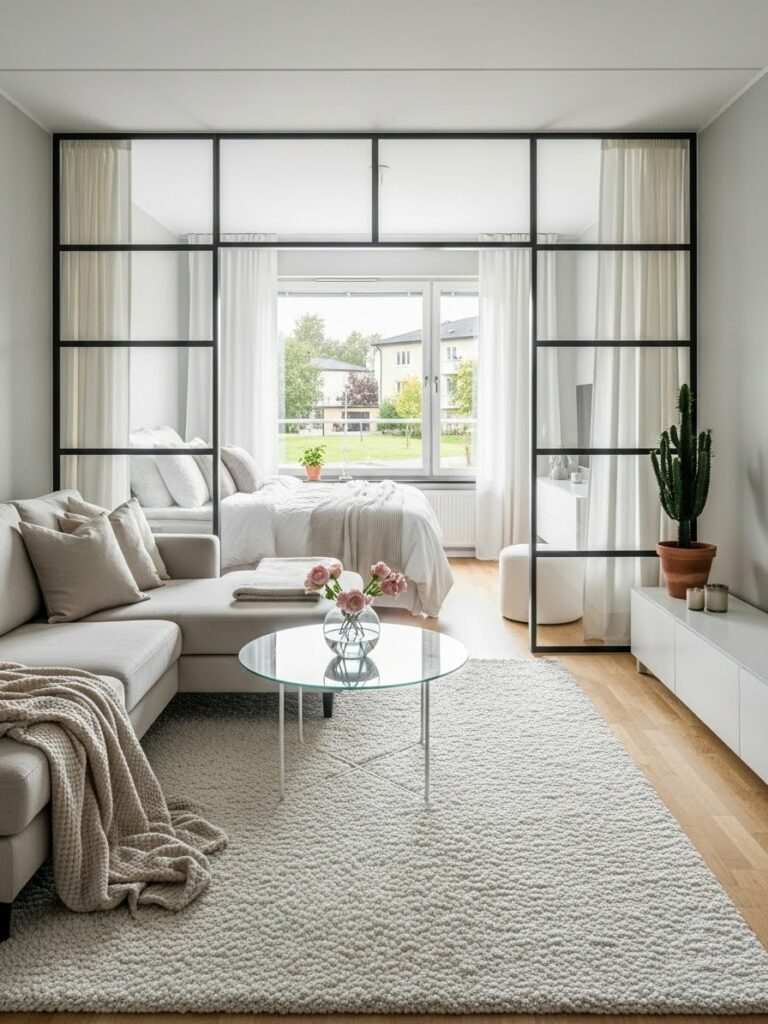
This is the most iconic look of the decade. Inspired by 1920s factory windows, the black steel grid is timeless.
The Aesthetic:
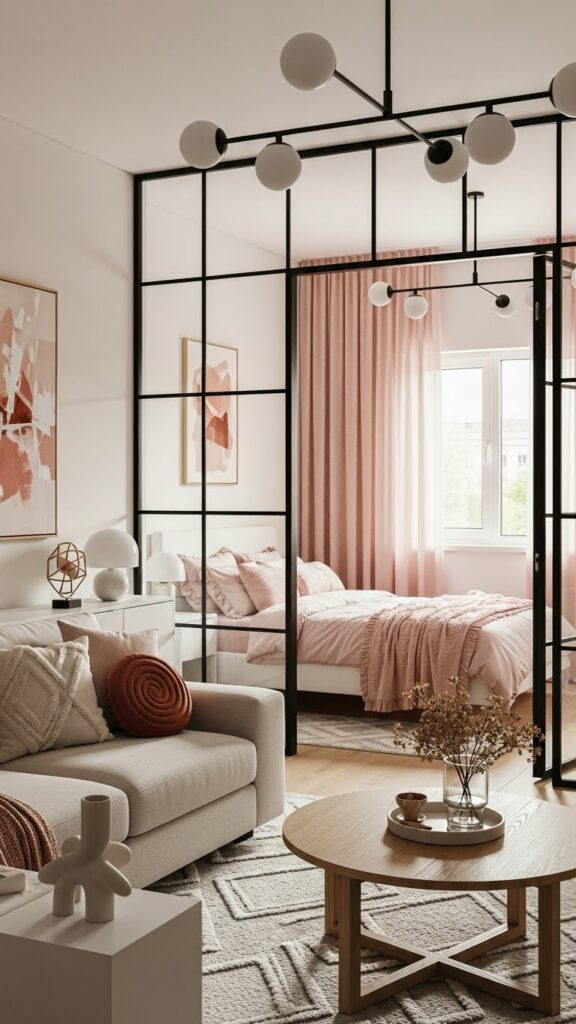
It creates a graphic frame. The black lines draw the eye. It works perfectly in lofts, Victorian renovations, and modern apartments.
Application Idea:
Use it to separate the hallway from the living room. Hallways are often dark. Replacing a solid door with a steel grid door floods the corridor with borrowed light.
Furthermore, it makes the living room feel larger. You can see beyond the room’s perimeter. It creates a “vista” within your own home.
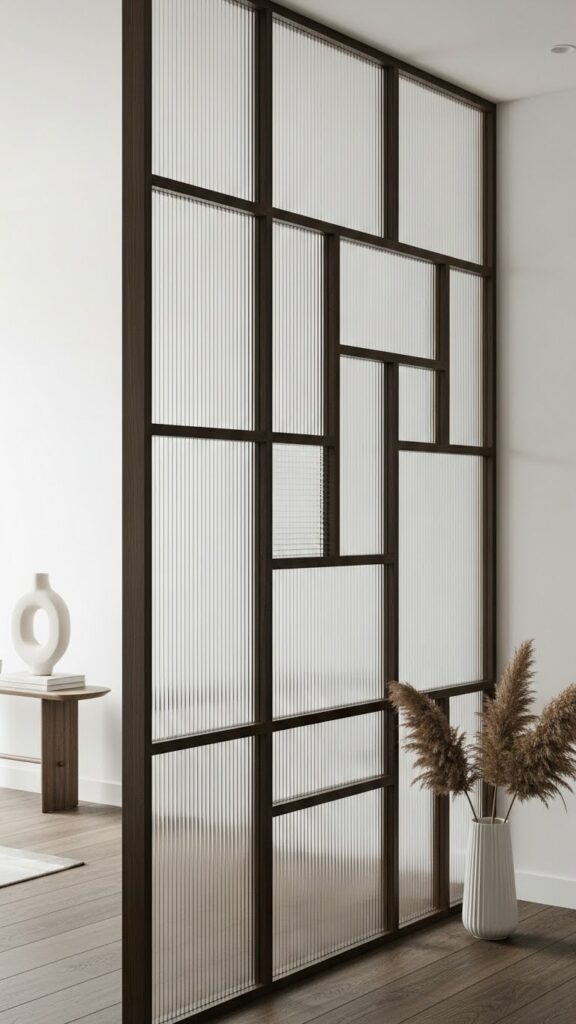
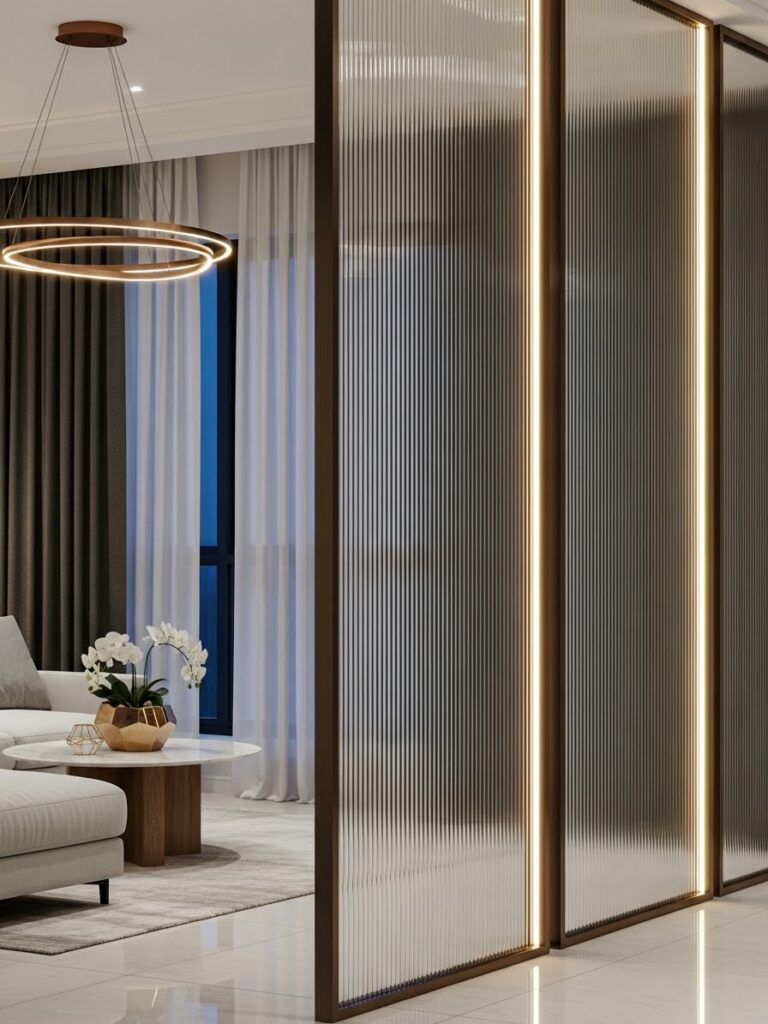
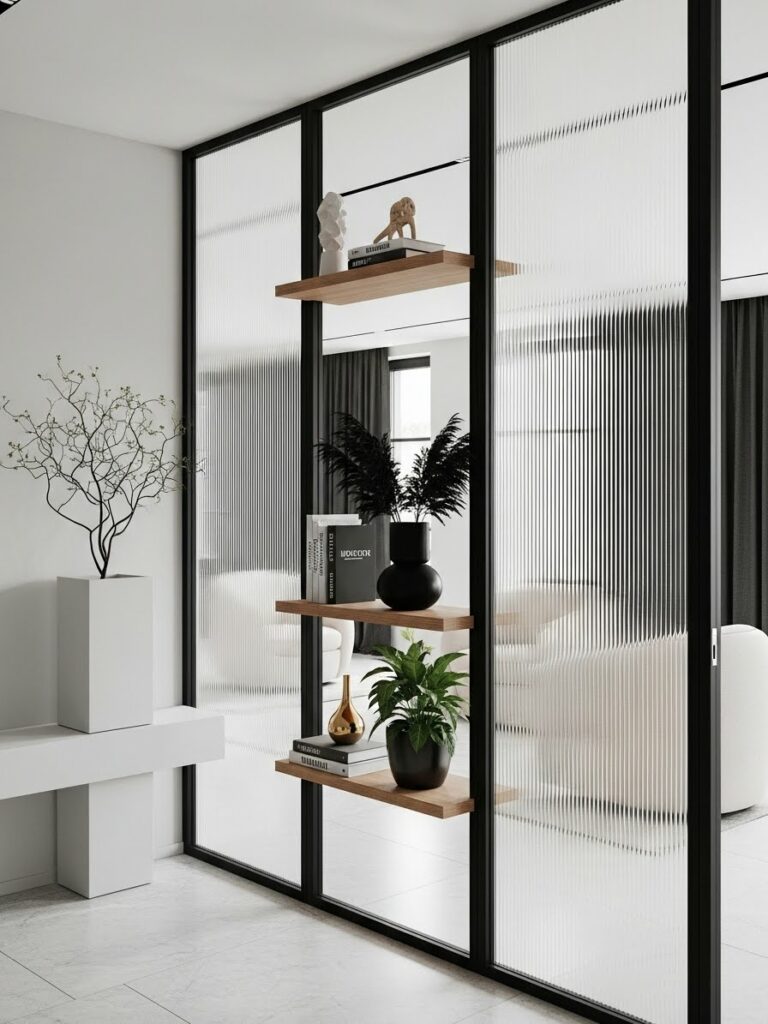
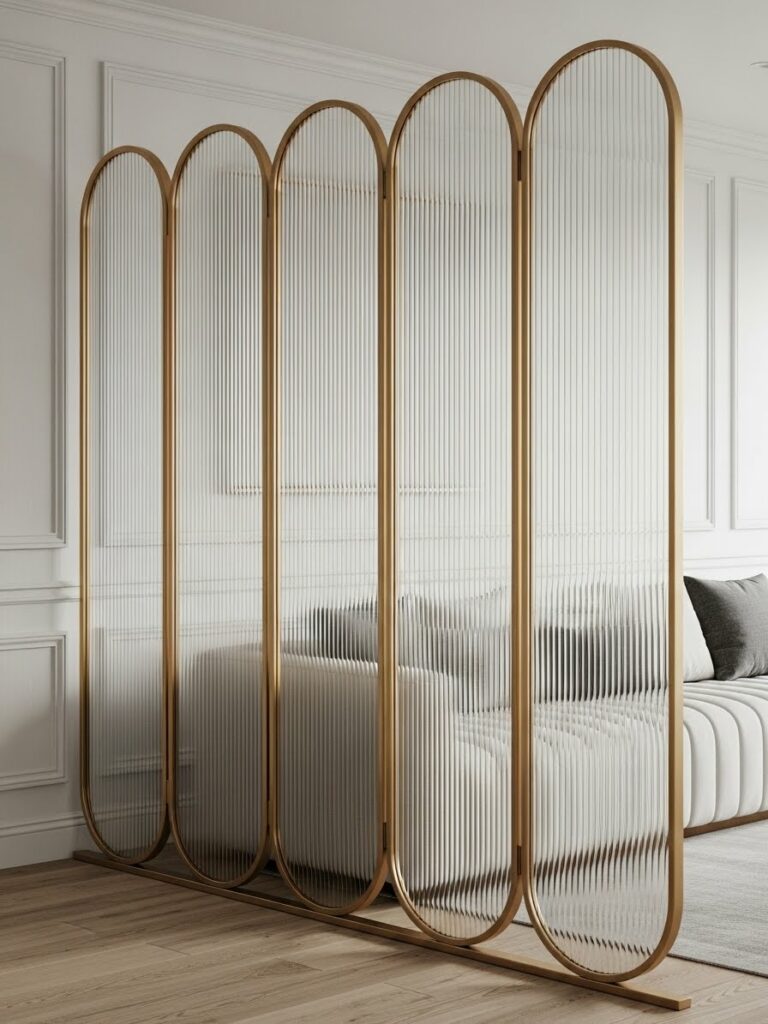
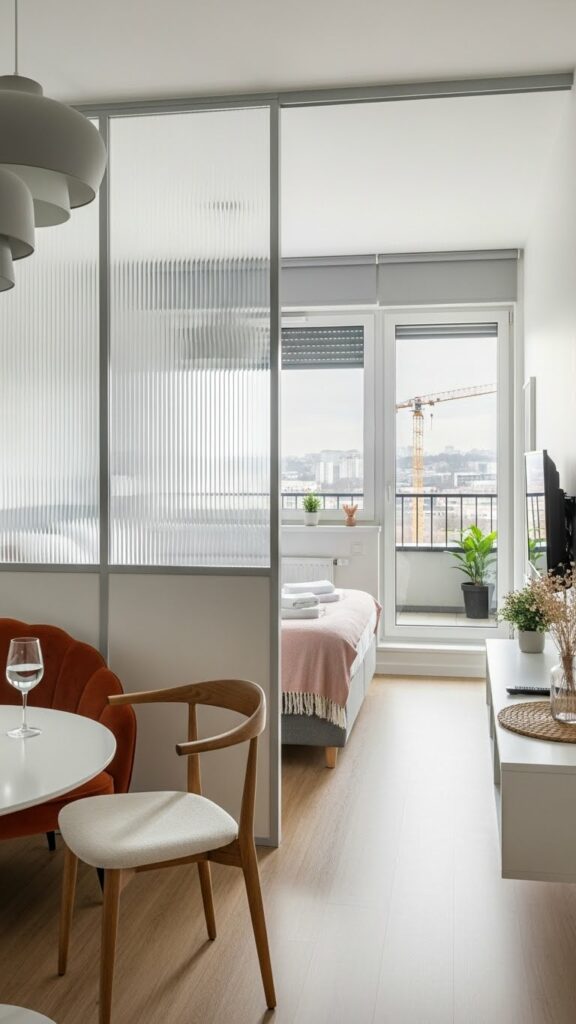
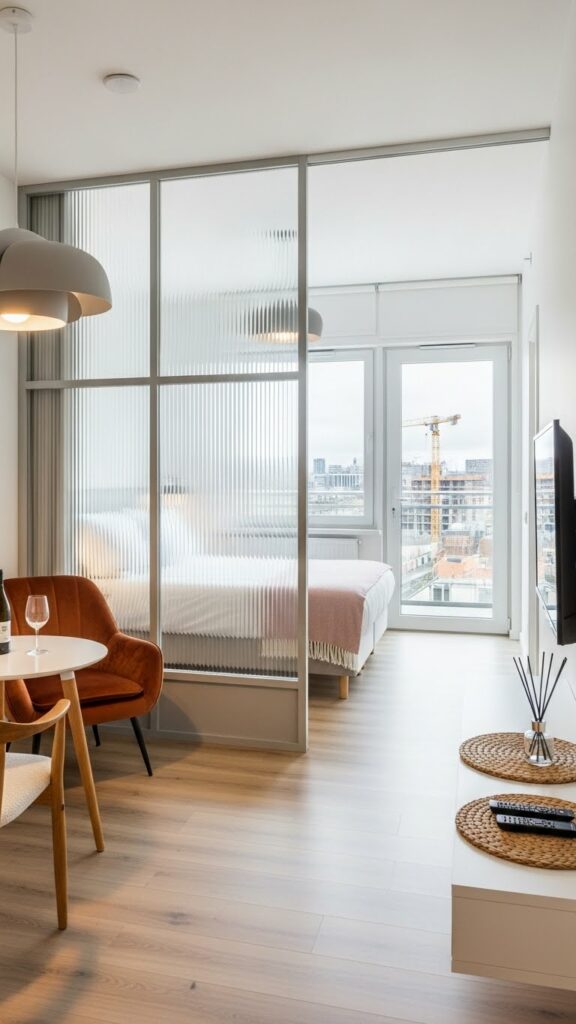
The Reeded Glass Reveal
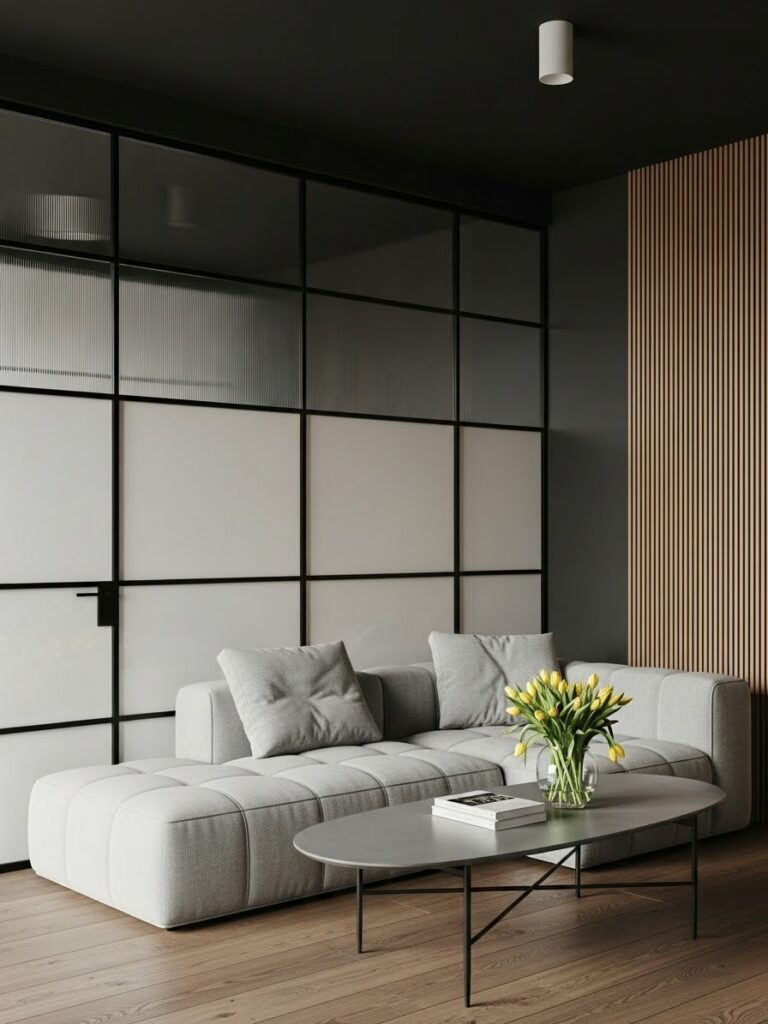
Transparency is not always desired. Sometimes, you need to hide the mess. Reeded (fluted) glass is the answer.
The Texture:
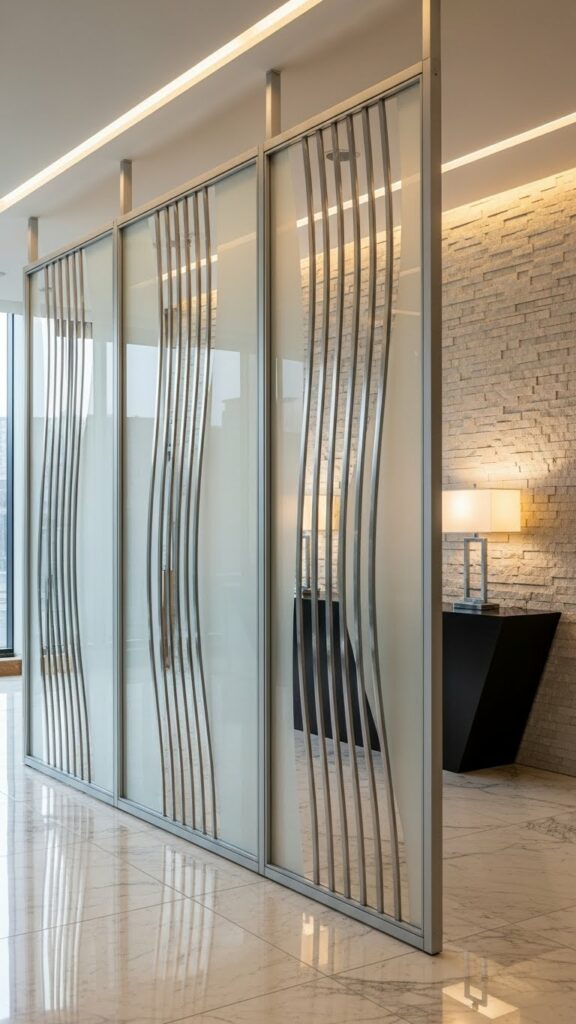
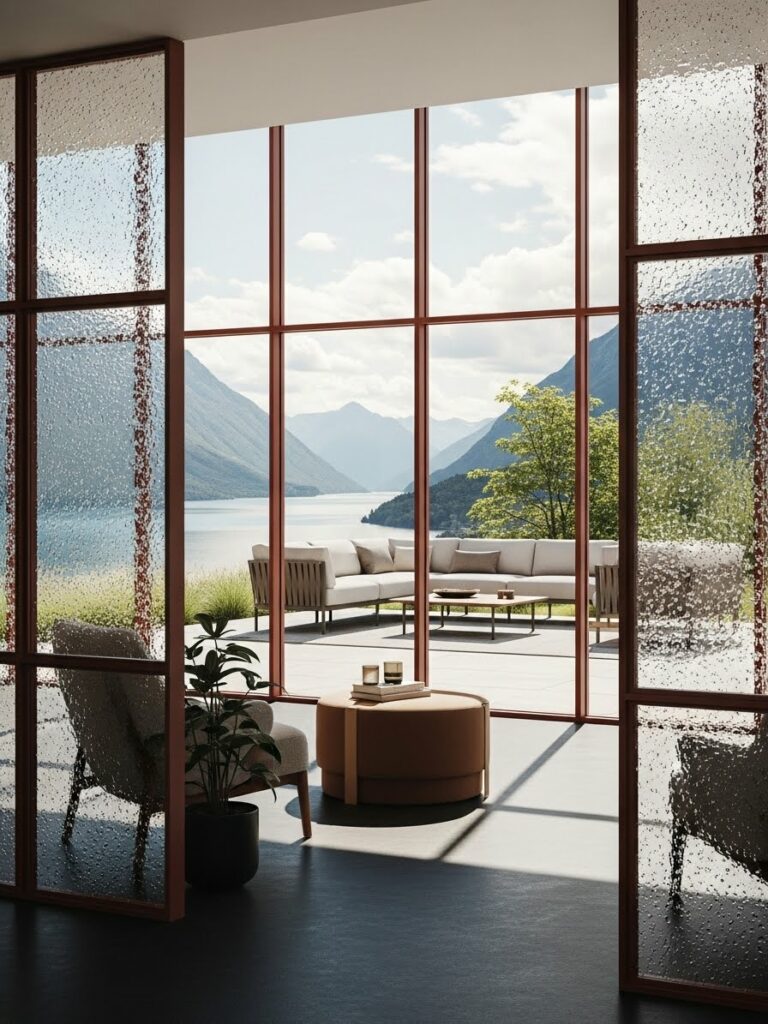
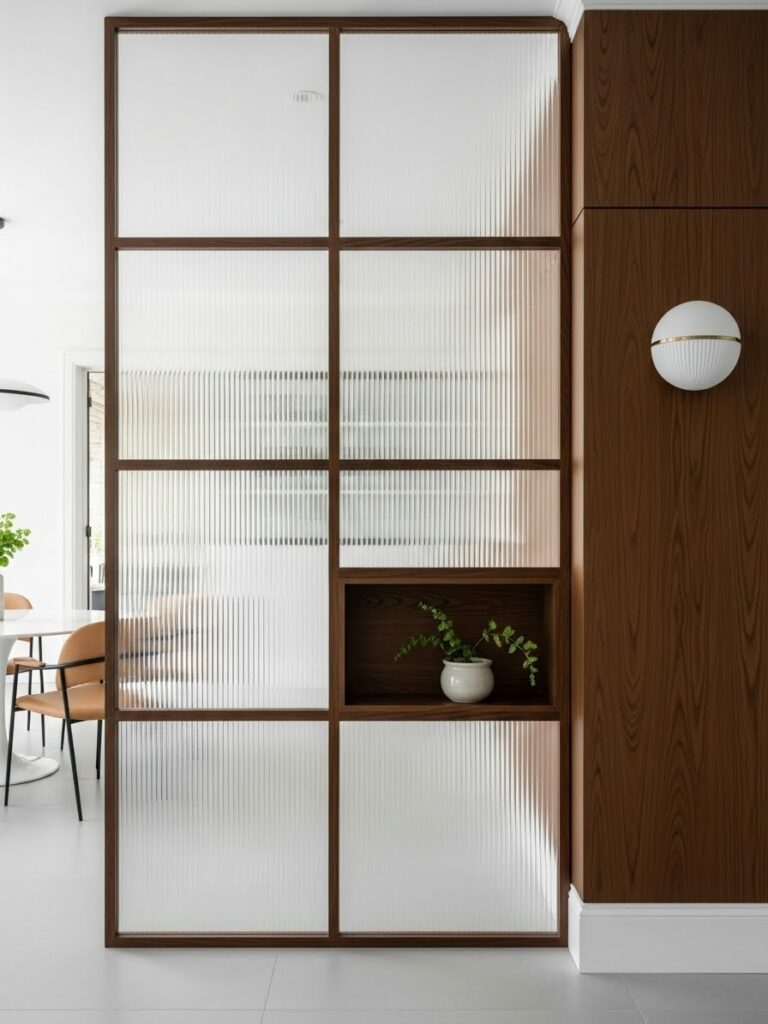
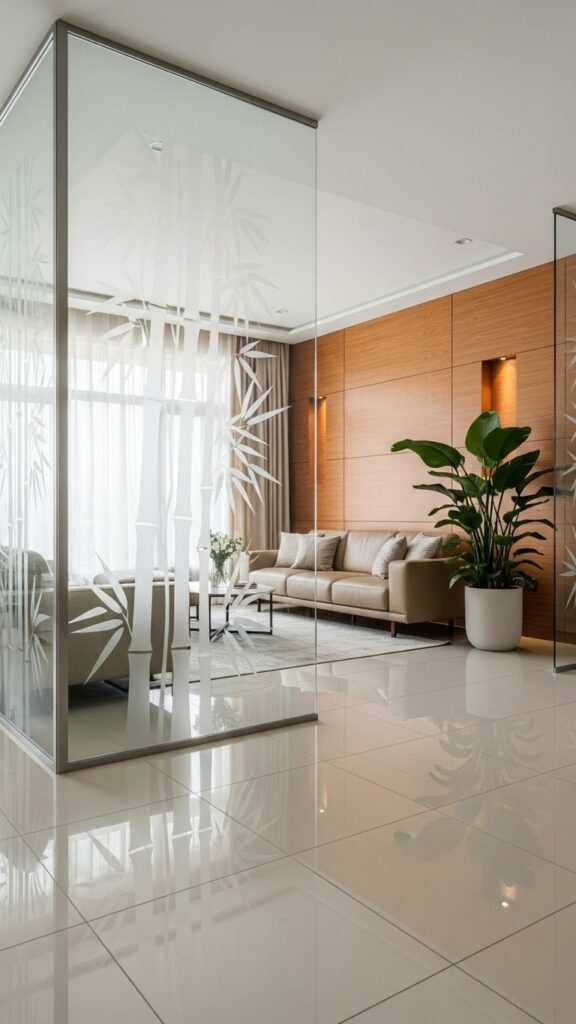
This glass features vertical ridges. It distorts the view behind it. It turns objects into abstract shapes and colors.
Application Idea:
Use reeded glass for a pantry or utility room partition. You get the light, but you don’t see the laundry pile.
Additionally, the texture catches the light. It glows. It adds a layer of vintage glamour reminiscent of the Art Deco era.
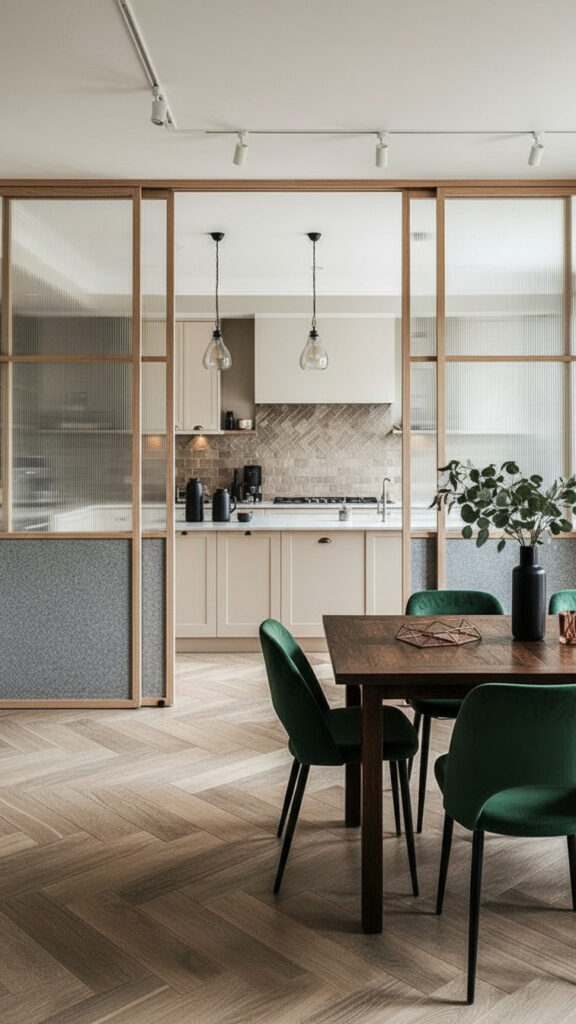
The Sliding Pocket Wall
Space is luxury. Traditional doors require a swing radius. Glass partition walls ideas often incorporate sliding mechanisms to save floor space.
The Mechanism:
A “pocket door” slides into a cavity inside the wall. It disappears completely. This allows you to have a fully open plan when you want it.
Application Idea:
Separate the kitchen from the dining room. Keep the doors open while entertaining. Close them when the pots and pans pile up.
This flexibility is the core of modern living. You control the flow of the house.
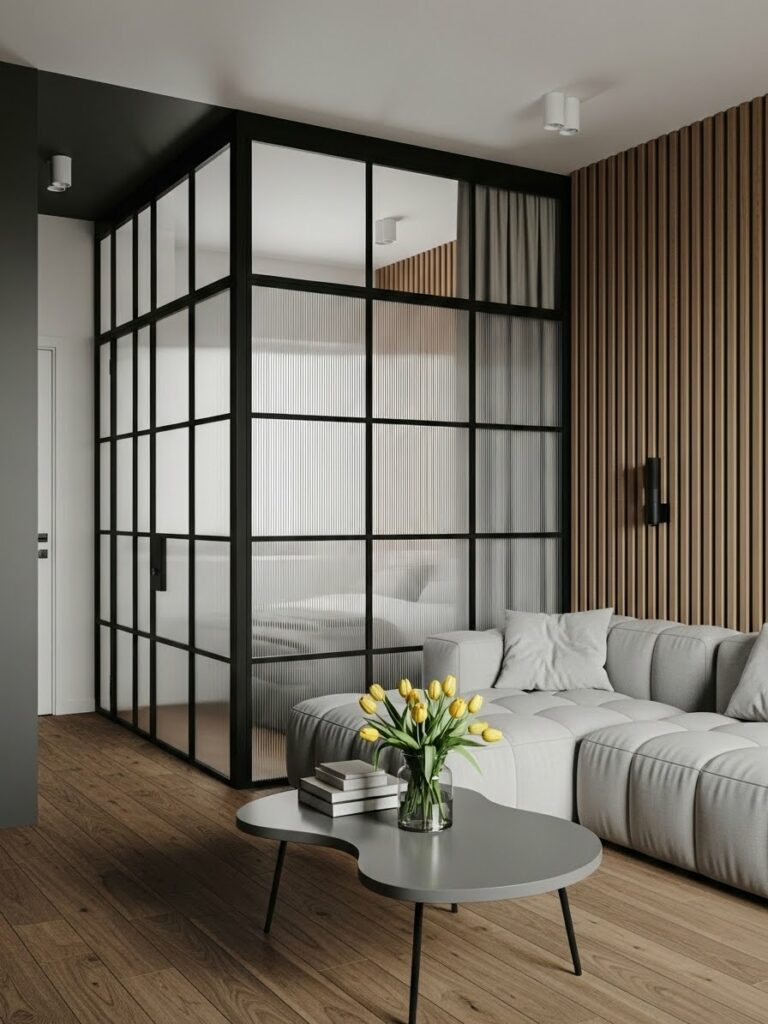
The Home Office Cube
Working from the kitchen table is bad for ergonomics and mental health. You need a dedicated zone.
The Concept:
Build a glass box within a larger room. It is a room-within-a-room. It creates an acoustic barrier for Zoom calls.
Acoustic Privacy:
Use double-glazed acoustic glass. It blocks sound transfer effectively. You can see the family, but you cannot hear the TV.
Place the desk facing the room. This gives you a “command position.” You feel connected, yet isolated enough to focus.
The Ensuite Bathroom Divider
Master suites are evolving. The wall between the bedroom and bathroom is disappearing.
The Steam Trap:
A glass partition keeps the humidity contained in the bathroom. However, it allows natural light from the bedroom windows to reach the vanity.
Switchable Glass:
Install “Smart Glass.” With a flick of a switch, it turns from clear to opaque frosting. This provides instant privacy for the toilet or shower area.
The Pivot Door Statement
If you have wide openings, a pivot door is a showstopper. It rotates on a central spindle rather than side hinges.
The Scale:
Pivot doors can be massive. They can be floor-to-ceiling. When open, they stand perpendicular to the wall like a sculpture.
Application Idea:
Use a large steel-framed pivot door between a formal dining room and a living room. The movement of the door is heavy and luxurious.
Biophilic Greenhouses Indoors
Plant lovers can use glass partition walls ideas to create an indoor atrium.
The Climate Zone:
Enclose a corner near a window with glass. Fill it with tropical plants. The glass traps humidity, creating a micro-climate perfect for ferns and orchids.
Visual Impact:
This creates a living art installation. You view the greenery through the glass, like a terrarium. It brings nature into the core of the home.
The Half-Height “Pony” Wall
Sometimes floor-to-ceiling glass is too much. The half-height partition is a clever compromise.
The Structure:
Build a solid wall up to waist height (about 90cm). Install glass on top of it up to the ceiling.
Application Idea:
This is perfect for home offices. You can place a desk against the solid part. It hides the cables and messy desk surface. The glass above keeps the view open.
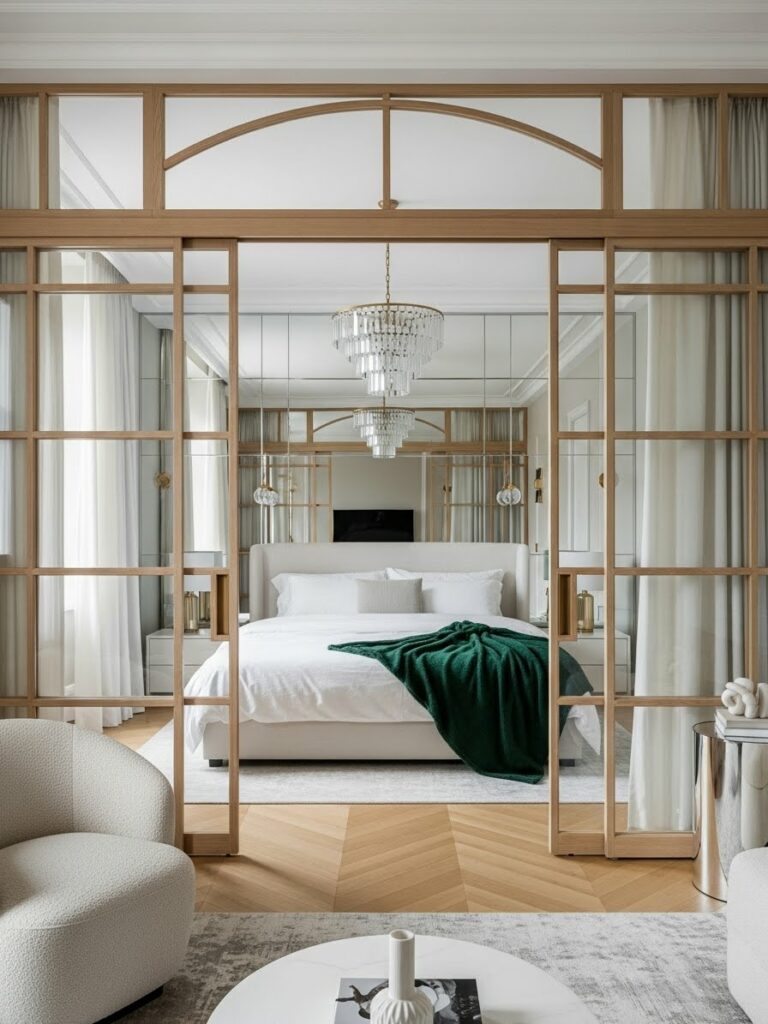
Arched Glass Partitions
Modern design often features straight lines. Arches add softness and romance.
The Aesthetic:
Bent steel frames create elegant curves. An arched double door looks classic. It works beautifully in historic homes or to soften a brutalist concrete space.
Cost Factor:
Be aware that curved glass and bent steel are significantly more expensive to manufacture than straight lines. It is a premium feature.
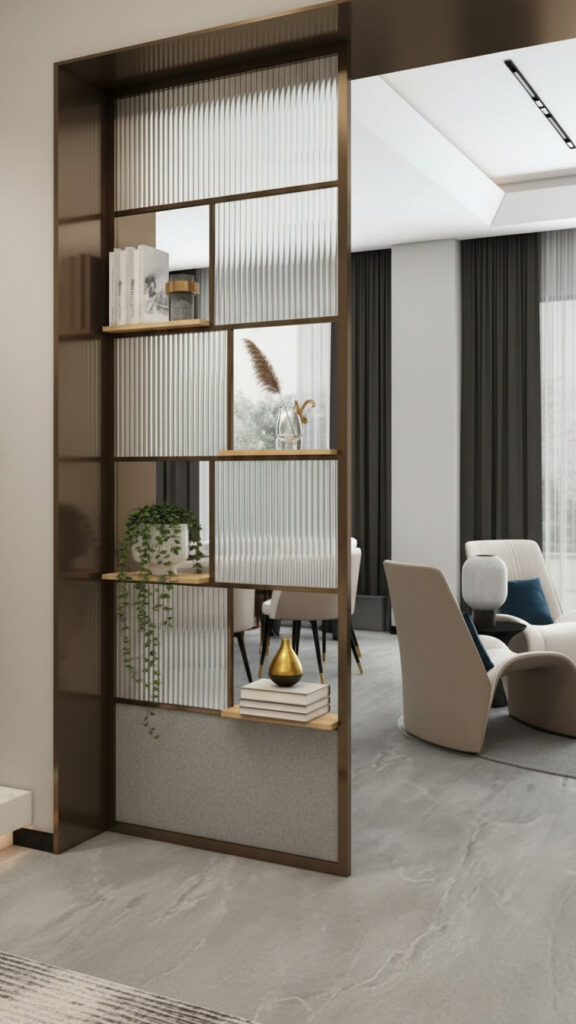
Tinted and Colored Glass
Clear glass is standard. Tinted glass is a mood.
Bronze Tint:
Bronze glass casts a warm, golden glow. It pairs exceptionally well with walnut wood and mid-century modern furniture.
Smoked Grey:
Smoked glass reduces glare. It feels moody and masculine. Use it for a media room partition to darken the space slightly while maintaining visibility.
Frameless Minimalism
For the ultra-minimalist, the frame is clutter. Frameless glass partitions are invisible barriers.
Installation:
The glass is recessed into channels in the floor and ceiling. It looks like it grows out of the architecture.
Application Idea:
Use this for a wine cellar display. Or for a staircase balustrade. It maximizes light flow and offers zero visual obstruction.
Material Selection: Steel vs. Aluminum vs. Wood
The material of the frame dictates the cost and the look.
Steel:
The strongest and thinnest option. It has a handmade, artisanal feel. It is the most expensive.
Aluminum:
Lighter and cheaper. It is powder-coated to look like steel. The frames are slightly thicker, but it is a great budget alternative.
Wood:
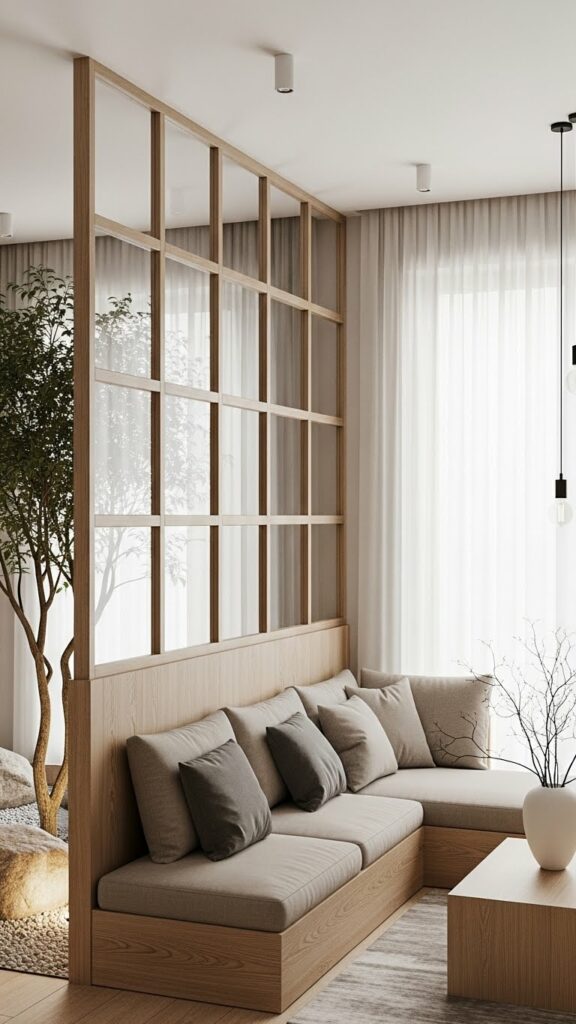
Timber frames offer warmth. They look Scandinavian or Japanese (Shoji screen style). They are softer than metal.
Acoustic Engineering Tips
If soundproofing is your goal, standard glass will fail. You need mass.
Acoustic Laminate:
This glass has a plastic interlayer that absorbs vibration. It reduces noise by up to 50% compared to standard glass.
Seals are Critical:
Sound leaks through gaps like water. Ensure there are drop-down seals on the doors. Brush seals on sliding doors are less effective than rubber gaskets.
Zoning the Entryway
In many homes, the front door opens directly into the living room. This causes drafts. It lacks a sense of arrival.
The Vestibule:
Build a glass vestibule around the front door. It creates a thermal barrier. It keeps the cold wind out when you open the door.
Visually, it defines the “entry zone” without closing off the space. It is a practical and stylish solution.
Lighting Integration
Glass reflects light. Use this to your advantage.
The Mirror Effect:
At night, glass partitions can become reflective black mirrors. Position your lighting carefully. Avoid placing spotlights directly pointing at the glass.
Layering Light:
Place floor lamps near the glass. The reflection doubles the light source. It creates a cozy, layered atmosphere in the evening.
Privacy Solutions
Sometimes you need to block the view completely. Glass partition walls ideas must include curtain strategies.
The Soft Layer:
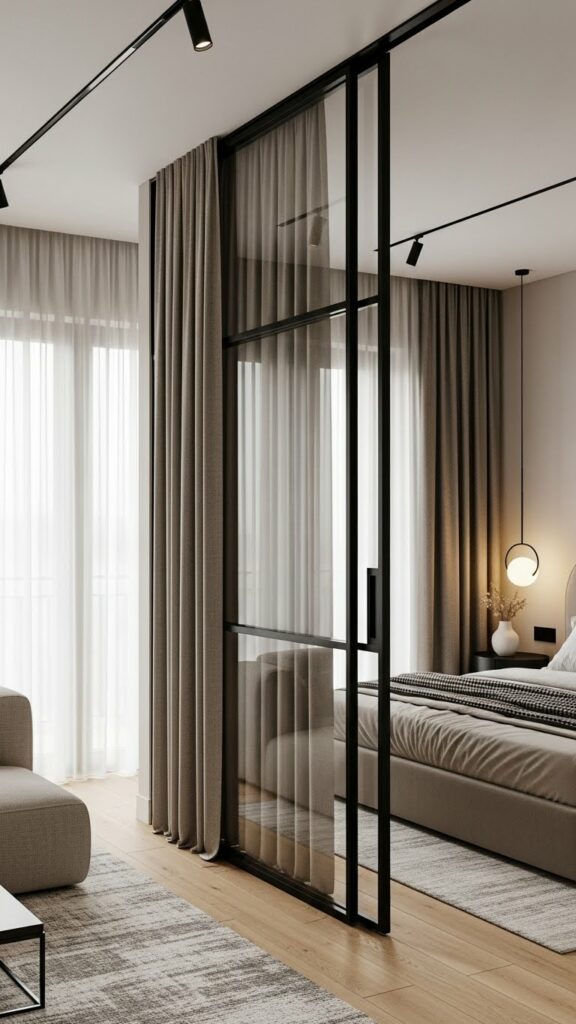
Install a ceiling track parallel to the glass. Hang sheer linen curtains. The contrast between the industrial metal and the soft fabric is stunning.
It creates a “soft wall” that can be drawn for movie nights or guest privacy.
Bi-Fold Glass Walls
Bi-fold doors are not just for the patio. They work indoors too.
Total Opening:
Bi-folds fold back completely against the wall. They offer the widest possible opening.
Use them for a playroom. When the kids are playing, close the glass to dampen the noise. When they are asleep, fold the doors back to reclaim the space.
Safety Considerations
Safety is paramount with large areas of glass.
Tempered Glass:
Always use tempered (toughened) glass. It is heat-treated to be five times stronger. If it breaks, it crumbles into cubes, not shards.
Visual Manifestations:
If the glass is super clear, people might walk into it. Use stickers or etched designs (manifestations) at eye level. A simple frosted line or logo works well.
Common Design Mistakes
1. Too Many Grids:
A heavy grid pattern can look busy. If the room is small, use larger panes of glass. Fewer lines make the space feel bigger.
2. Ignoring Floor Transitions:
The floor track can be a trip hazard. Recess the track into the floor for a flush finish. This requires planning before you lay the flooring.
3. Forget Ventilation:
If you create a glass box office, ensure it has airflow. It can get hot quickly. You might need a dedicated AC vent.
Budgeting for Glass
Glass walls are a premium feature. However, you can manage costs.
Standard Sizes:
Bespoke custom glass is expensive. Look for manufacturers who sell standard-sized modular panels. Design your opening to fit their sizes.
Fixed vs. Opening:
Fixed glass panels (that don’t move) are much cheaper than doors. Use fixed panels for the majority of the wall and a single door for access.
Conclusion: Clarity in Design
Implementing glass partition walls ideas transforms the way you live. It solves the paradox of wanting connection and privacy simultaneously.
It allows light to penetrate the deepest parts of your home. It adds architectural interest and value.
Whether you choose the sleek industrial grid or the romantic reeded texture, the result is a home that feels open, airy, and intentionally designed.
Embrace the transparency. Let the light in.