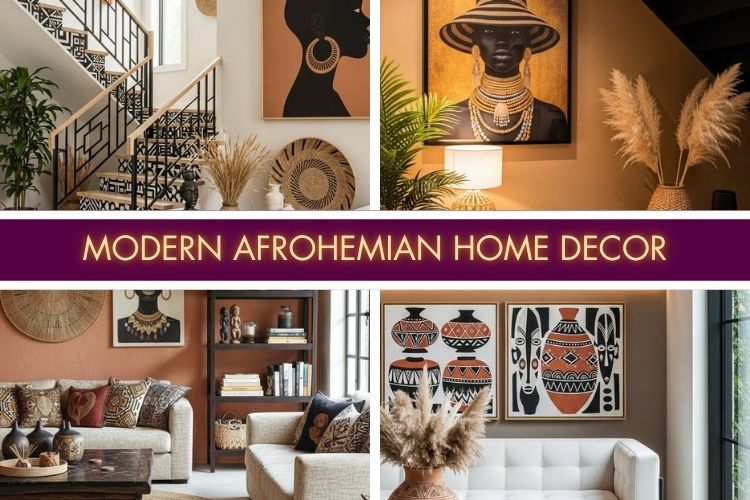
In the rapidly shifting world of interior design, this year marks a decisive return to storytelling and cultural depth. Leading this movement is Modern Afrohemian home decor—a sophisticated evolution of the classic Afroboho aesthetic. While its predecessor leaned into a more relaxed, “shabby-chic” bohemian vibe, the modern iteration prioritizes architectural silhouettes, intentional negative space, and a refined balance between ancestral craftsmanship and contemporary minimalism.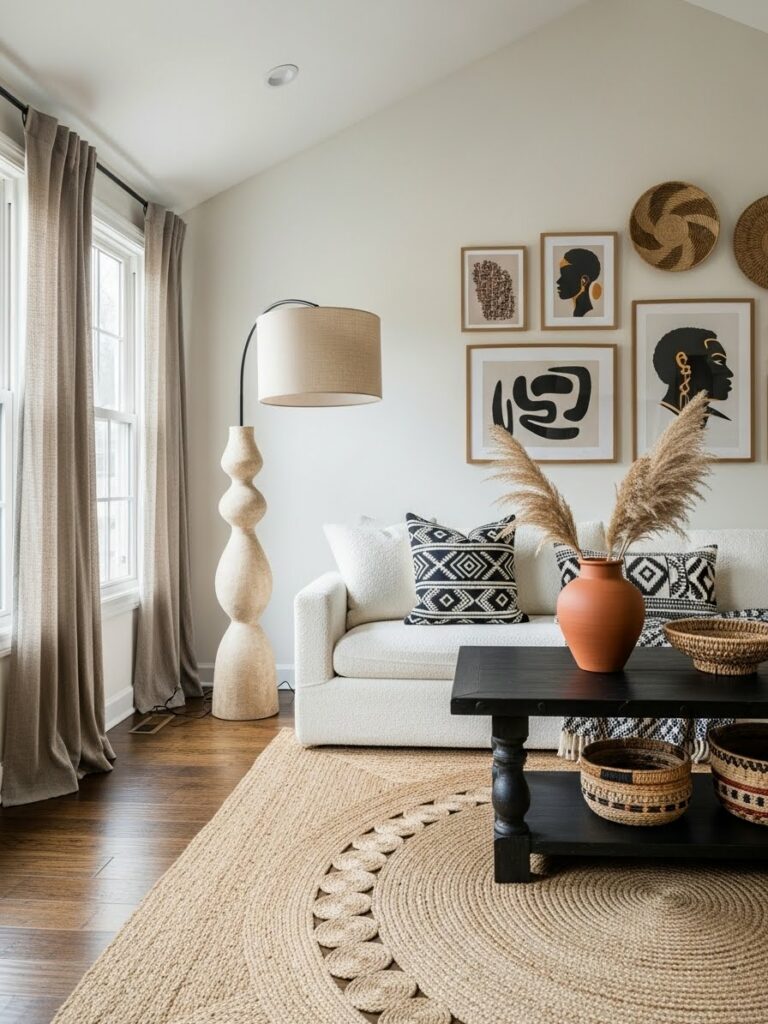
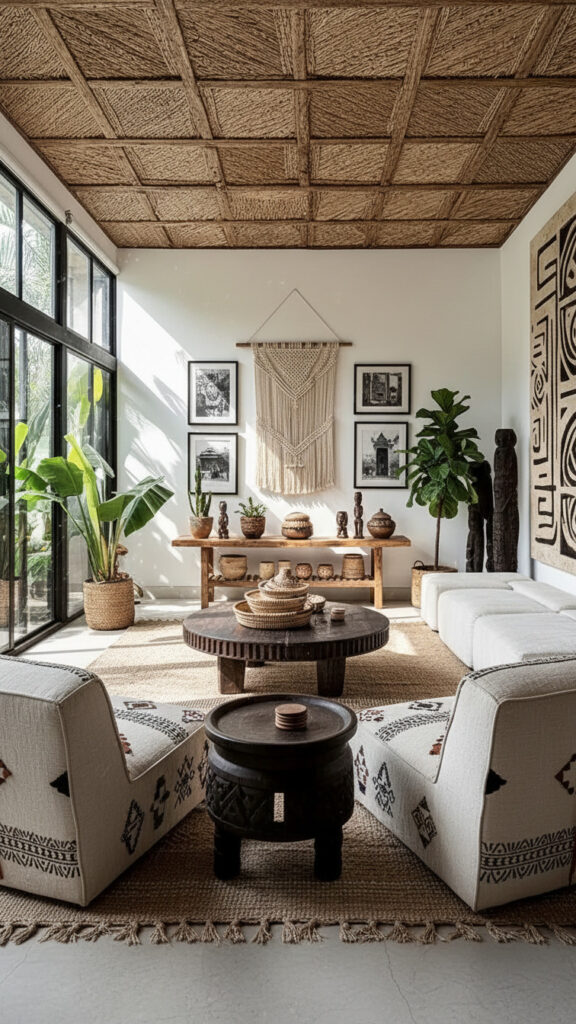
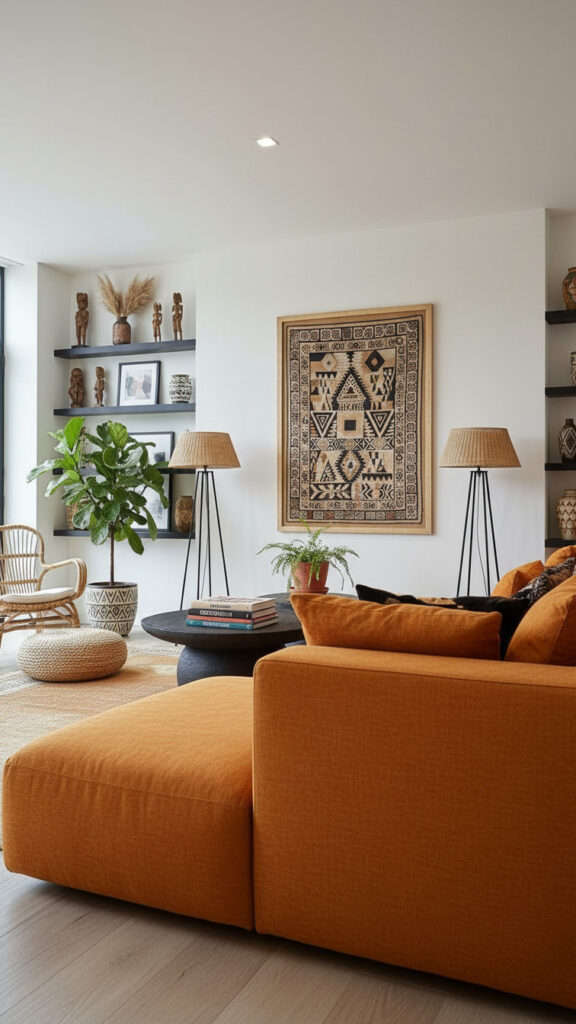
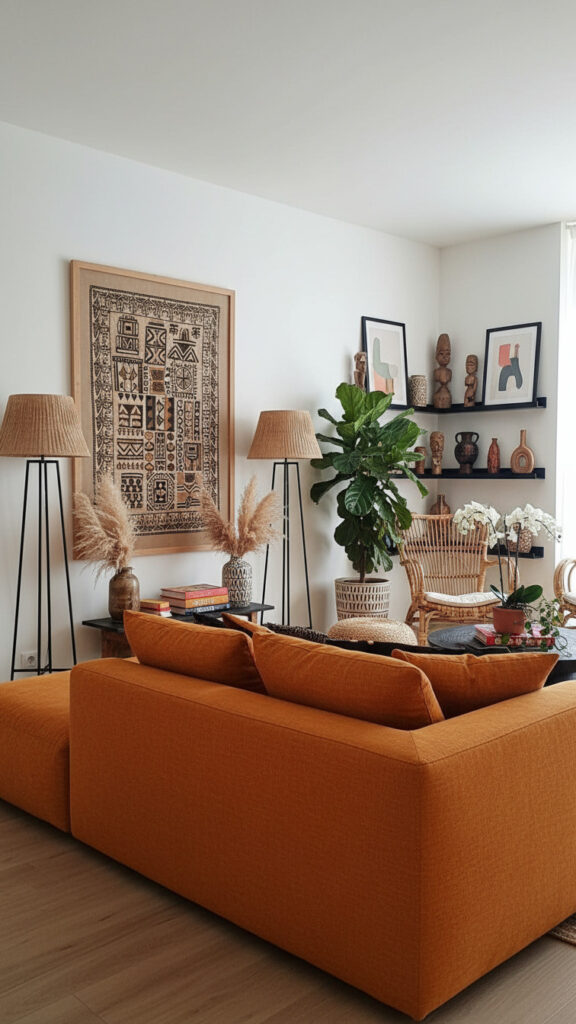
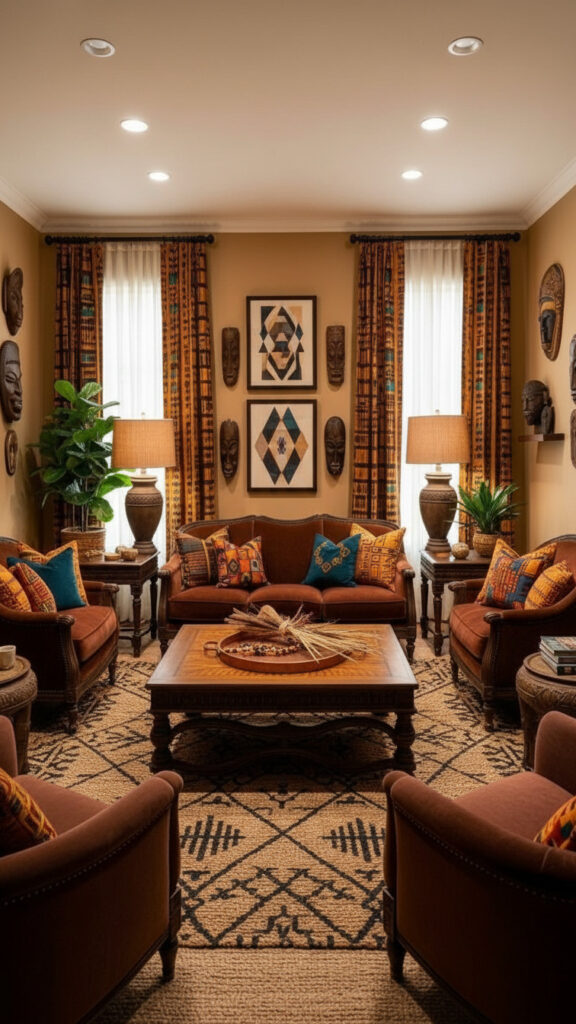
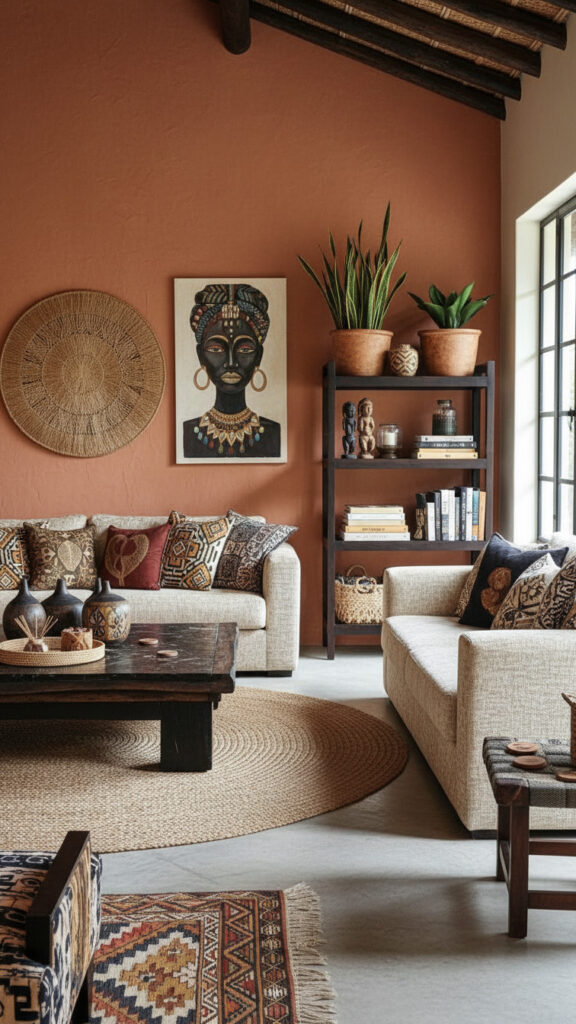
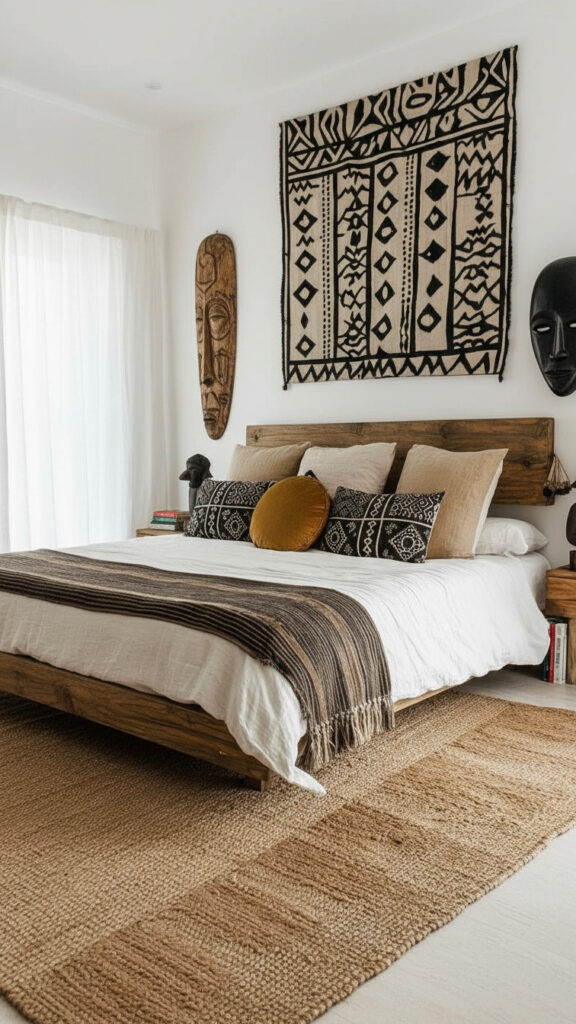
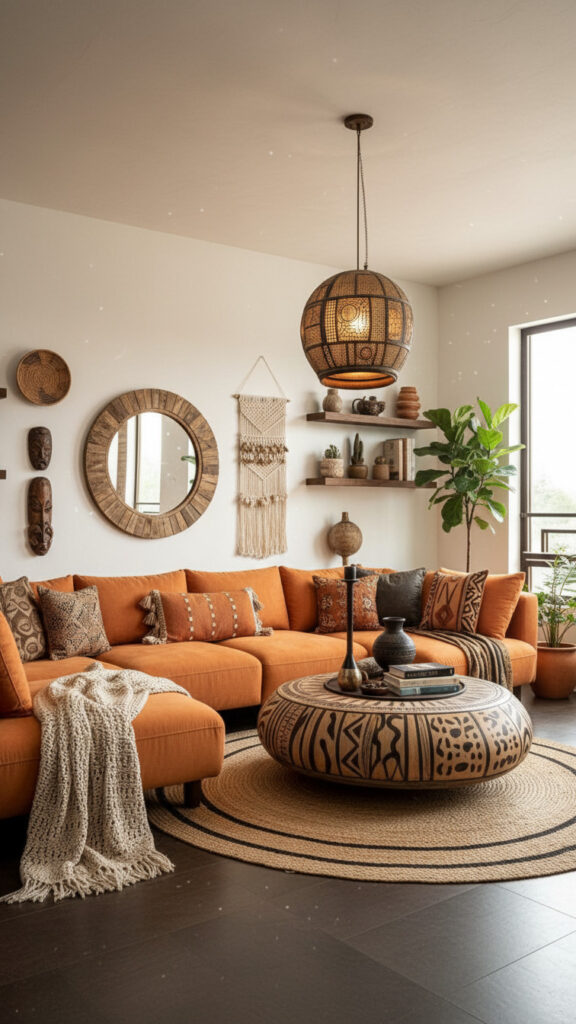
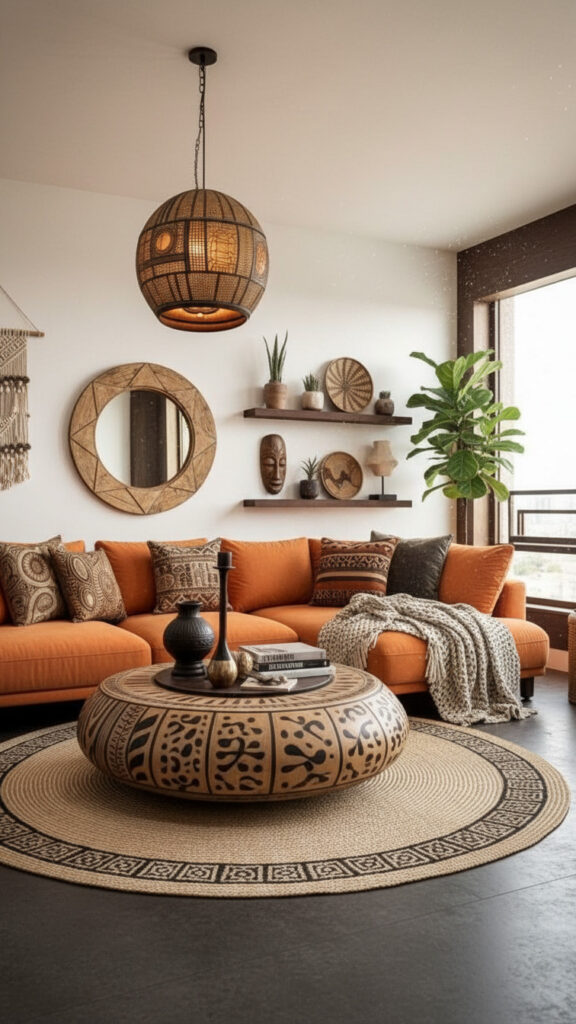
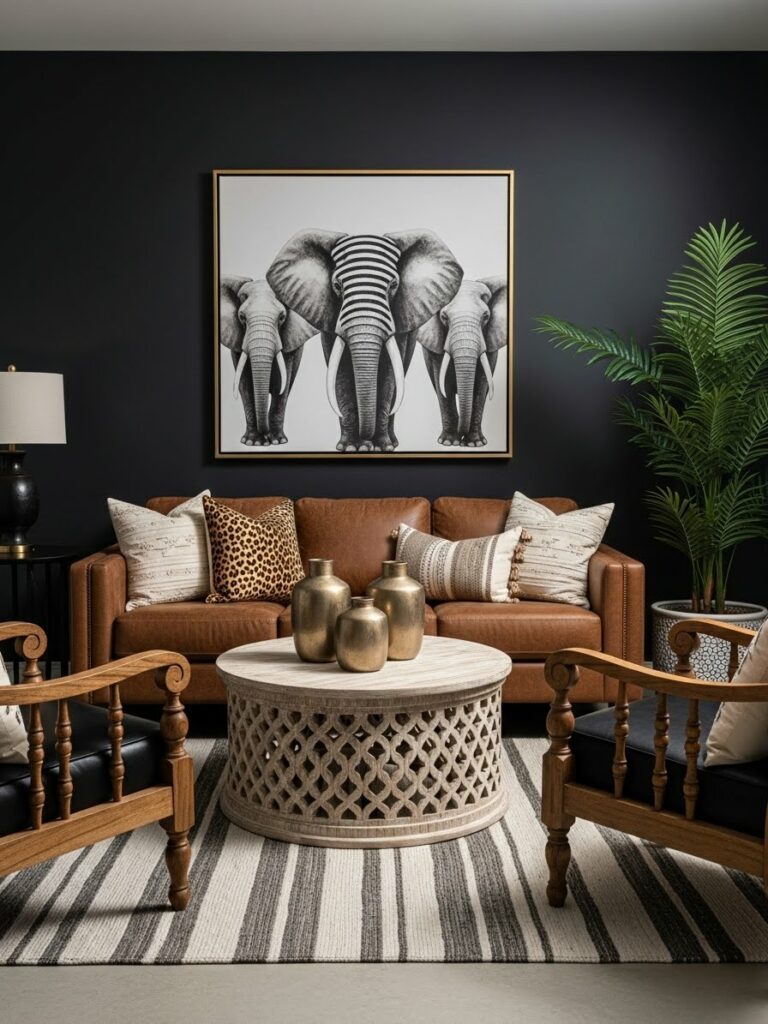
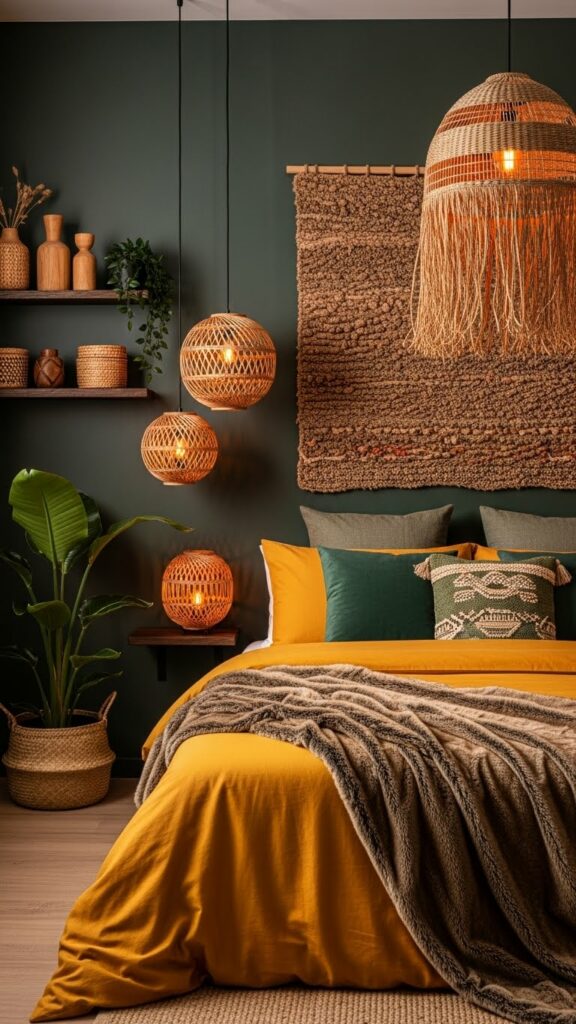
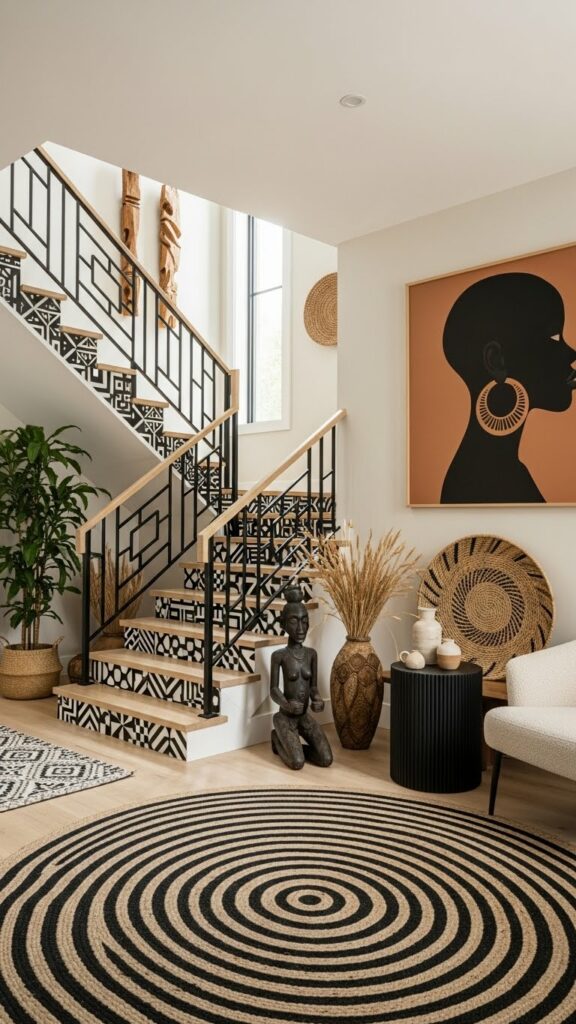
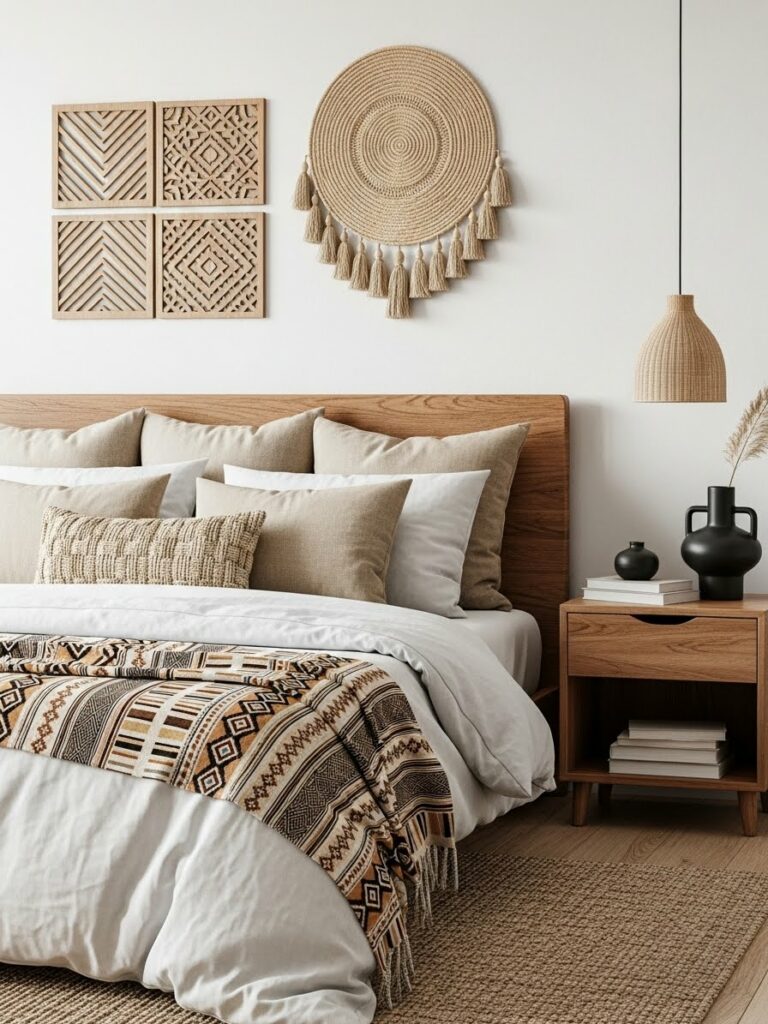
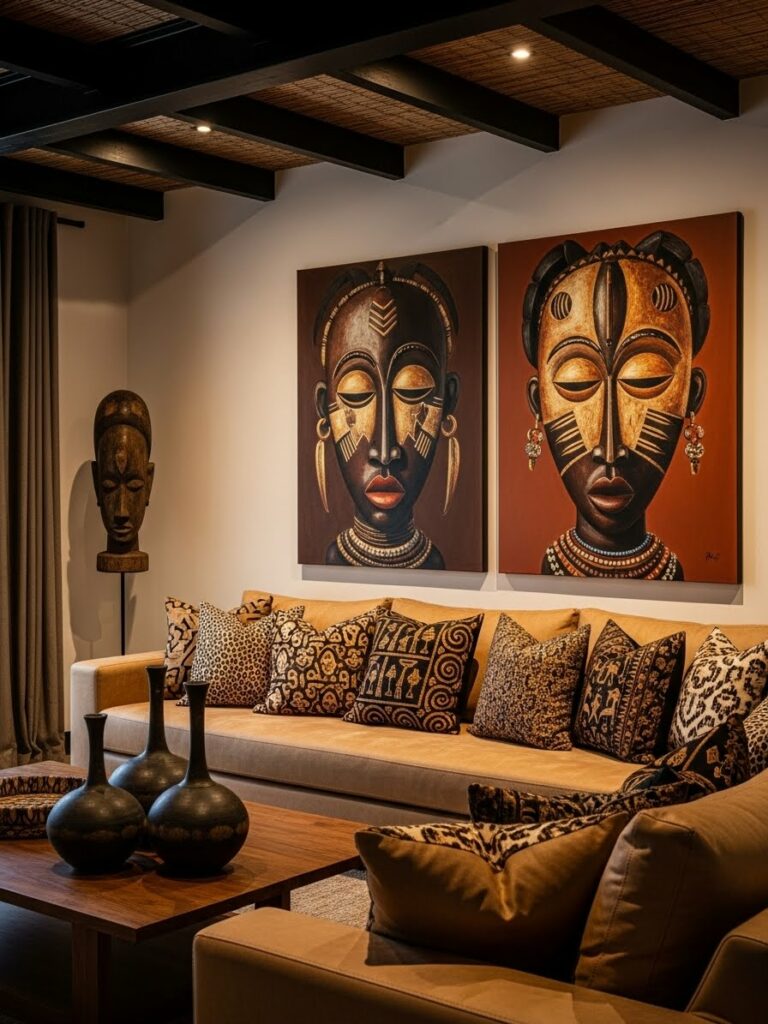
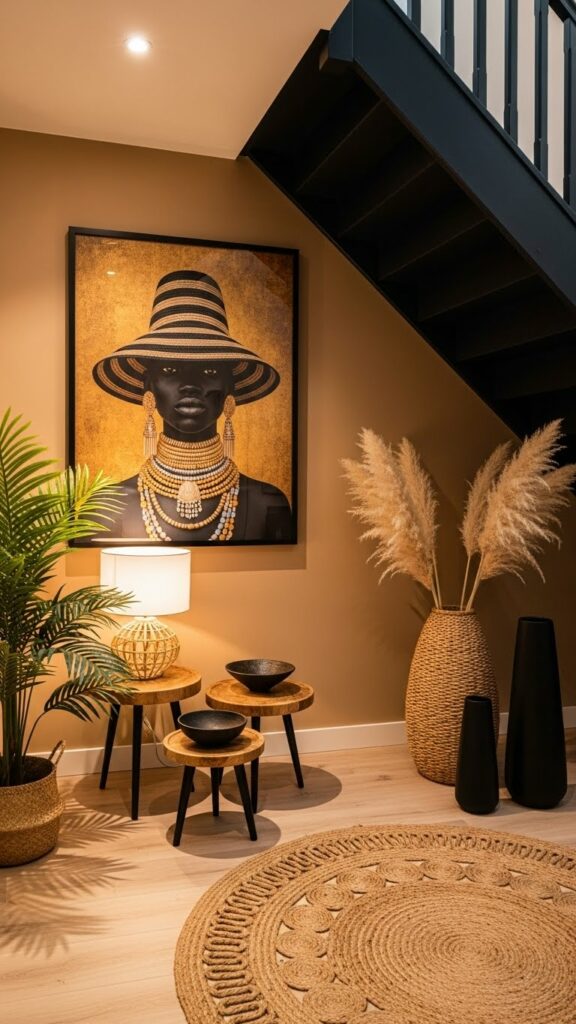
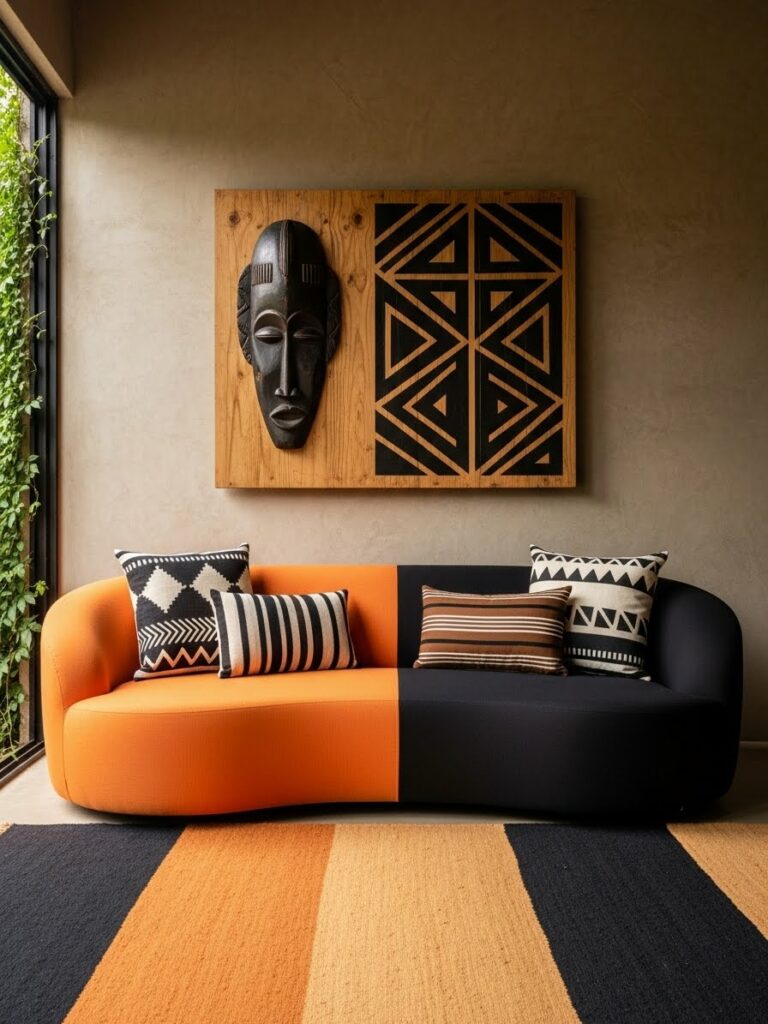
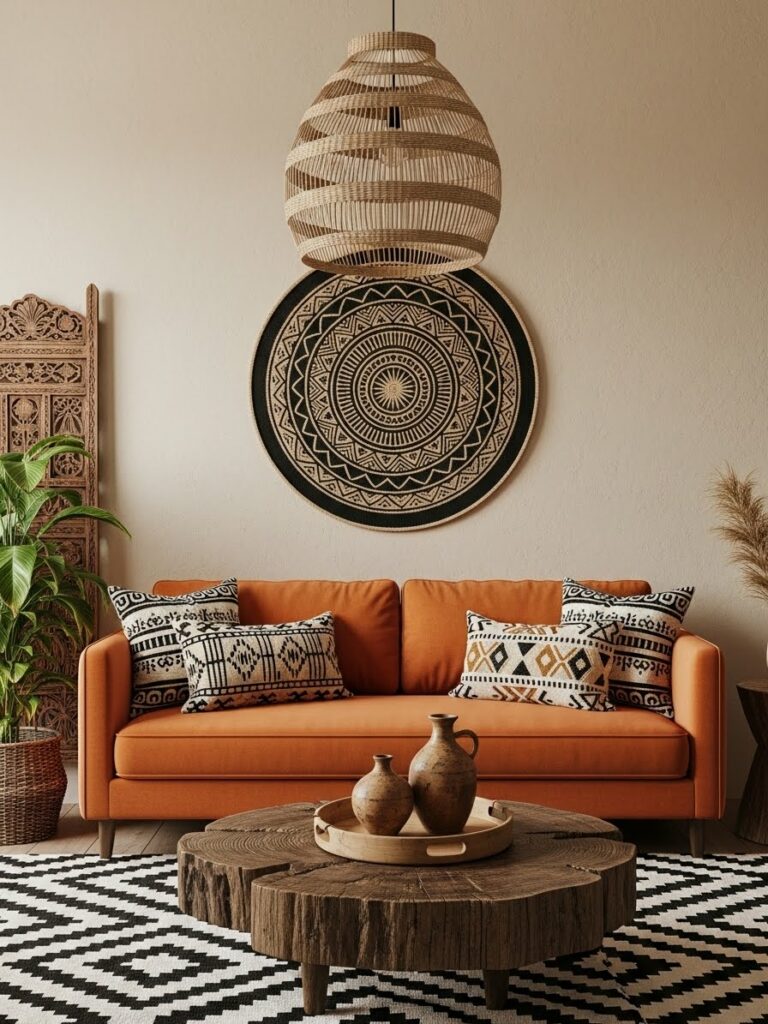
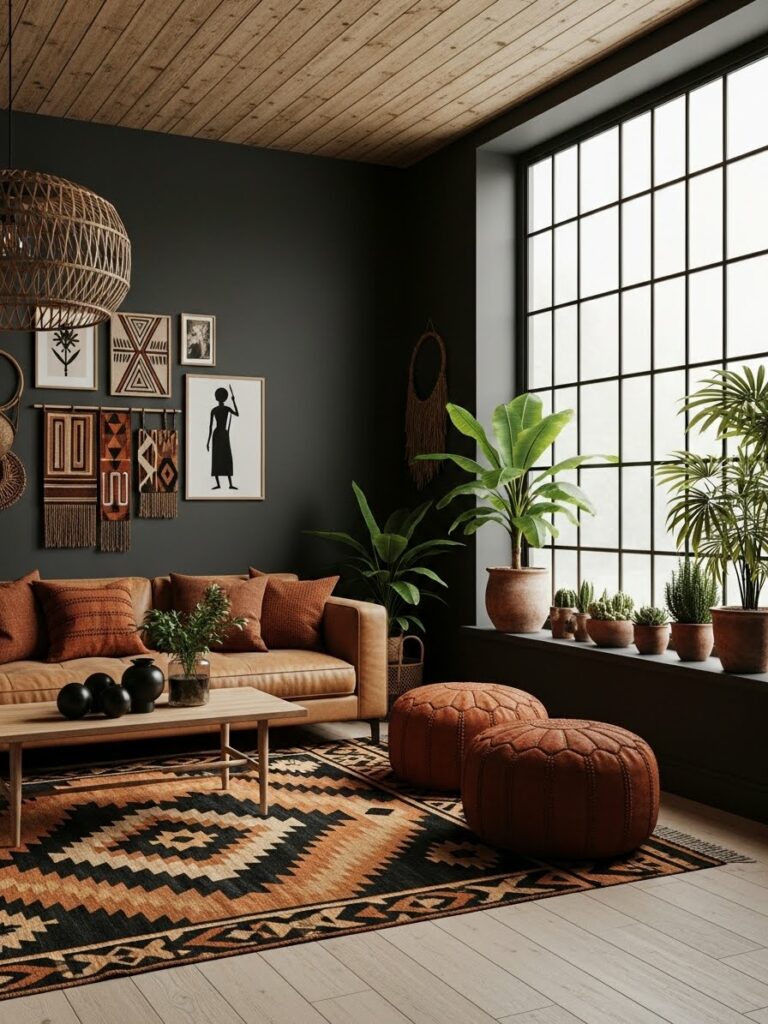
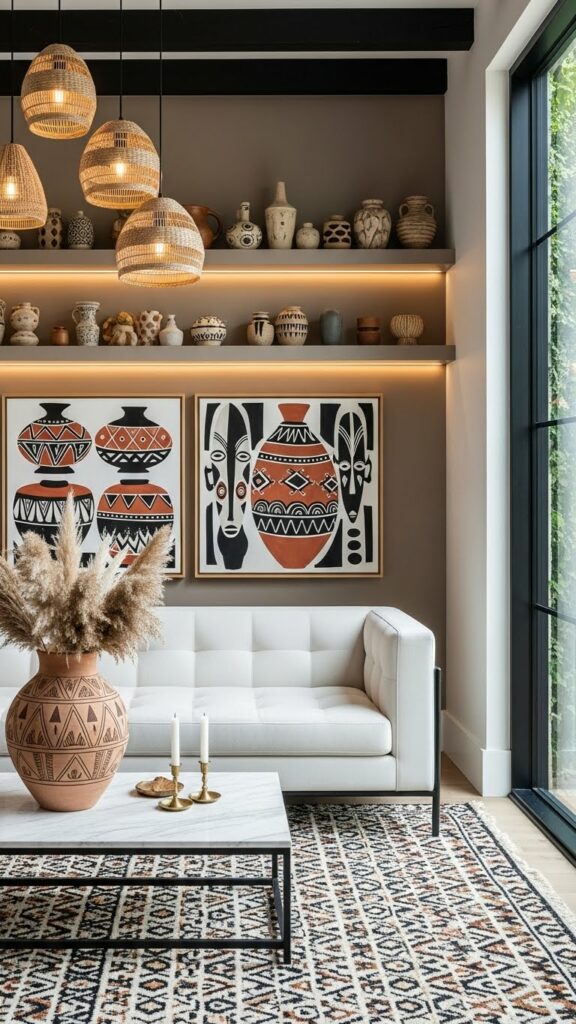
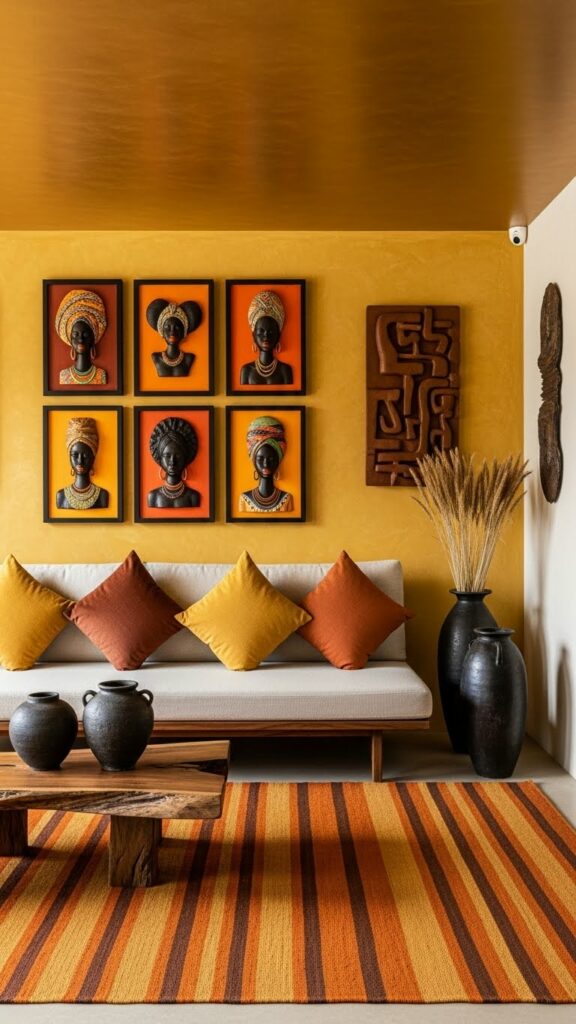
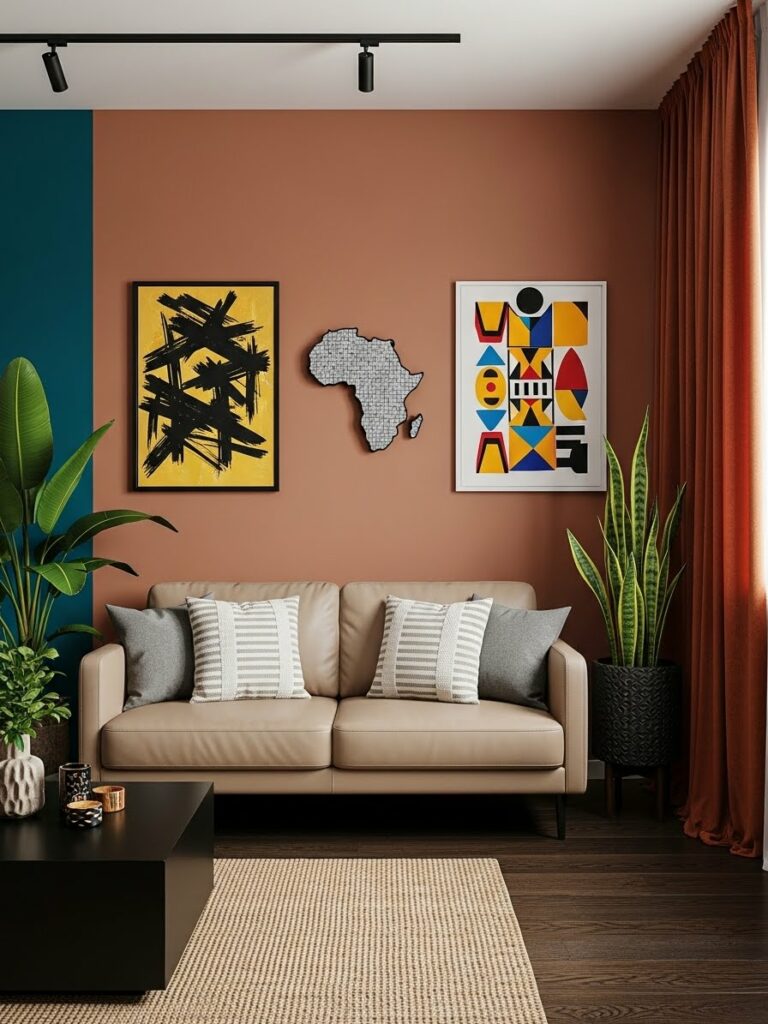
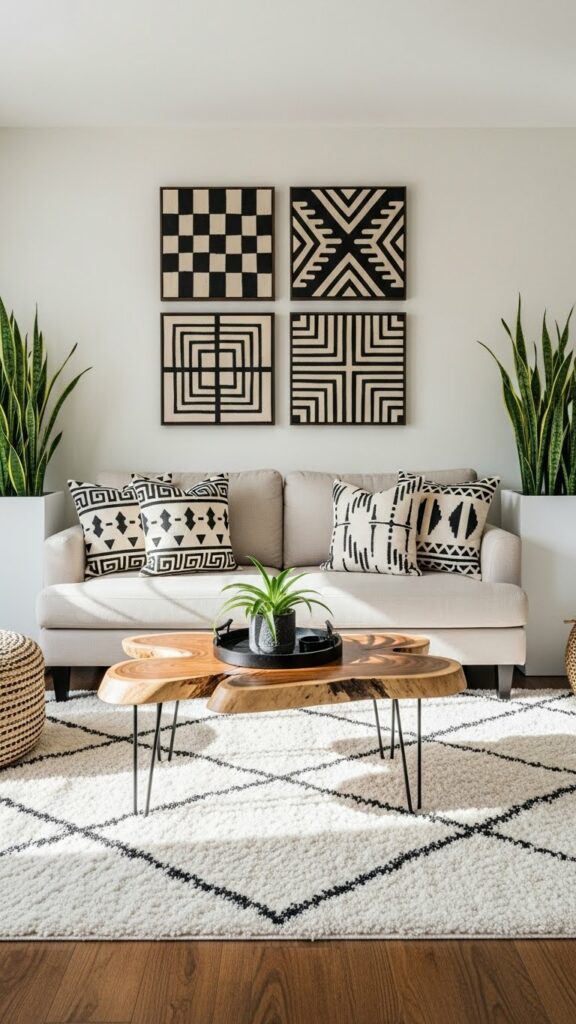
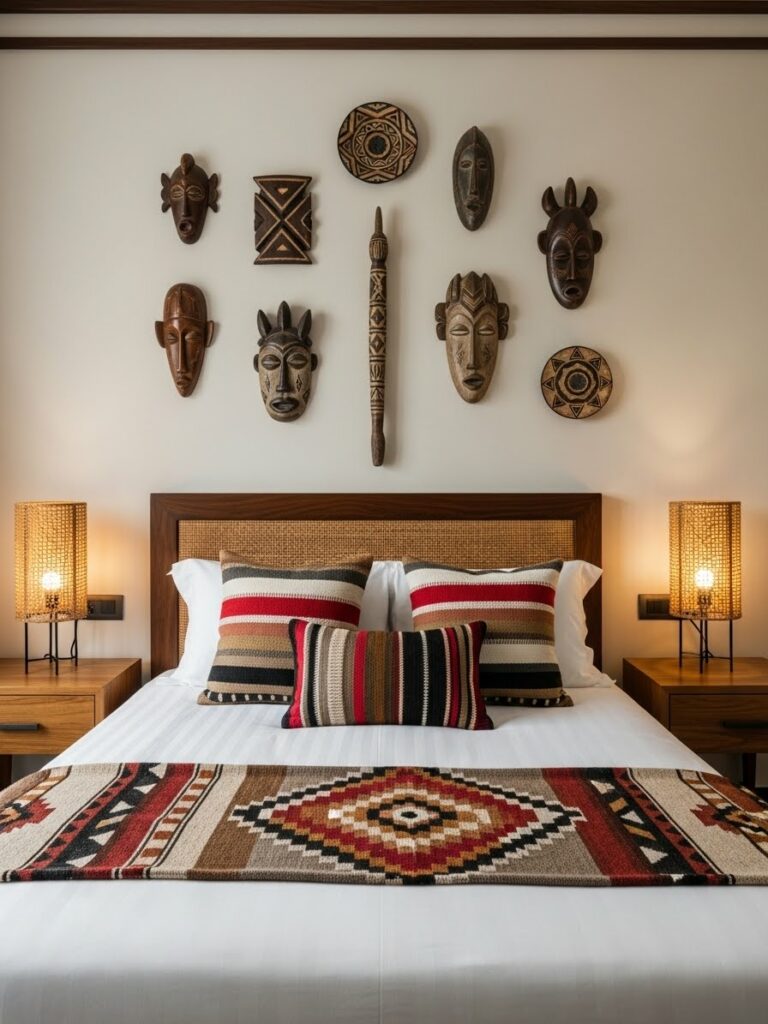
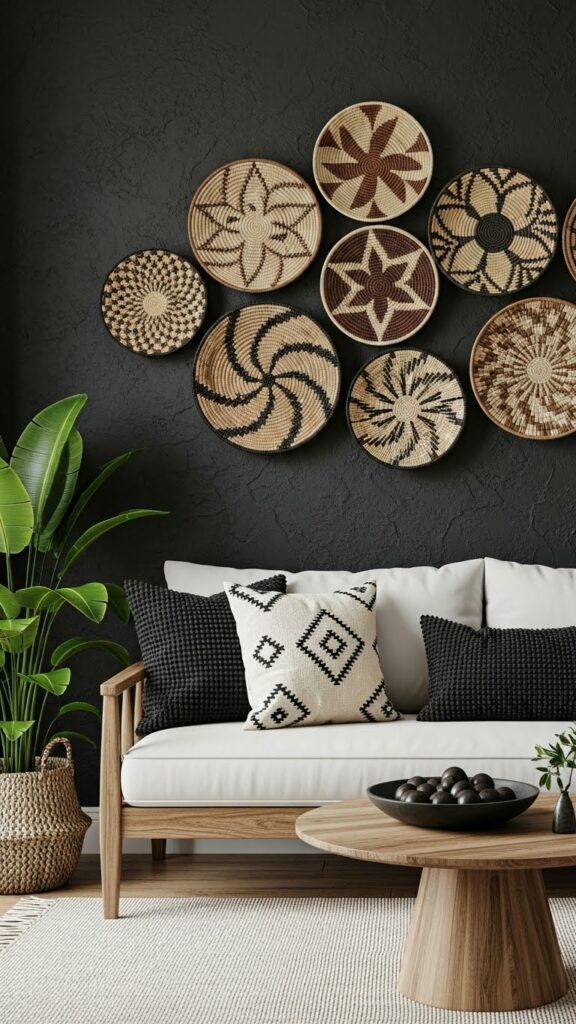
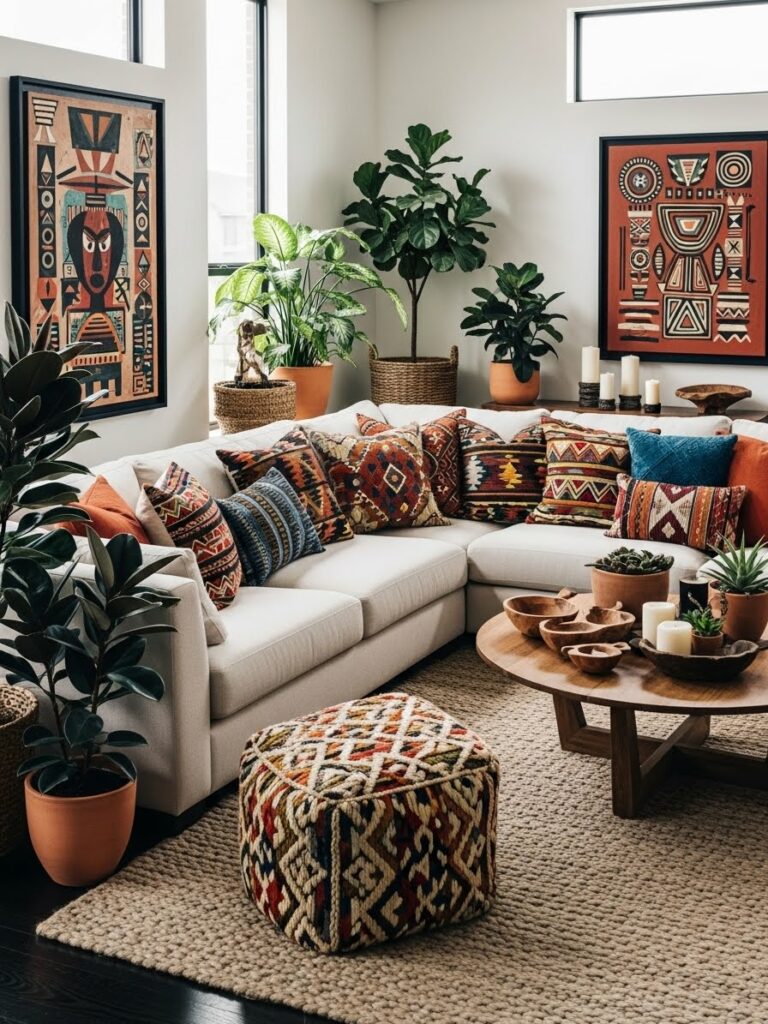
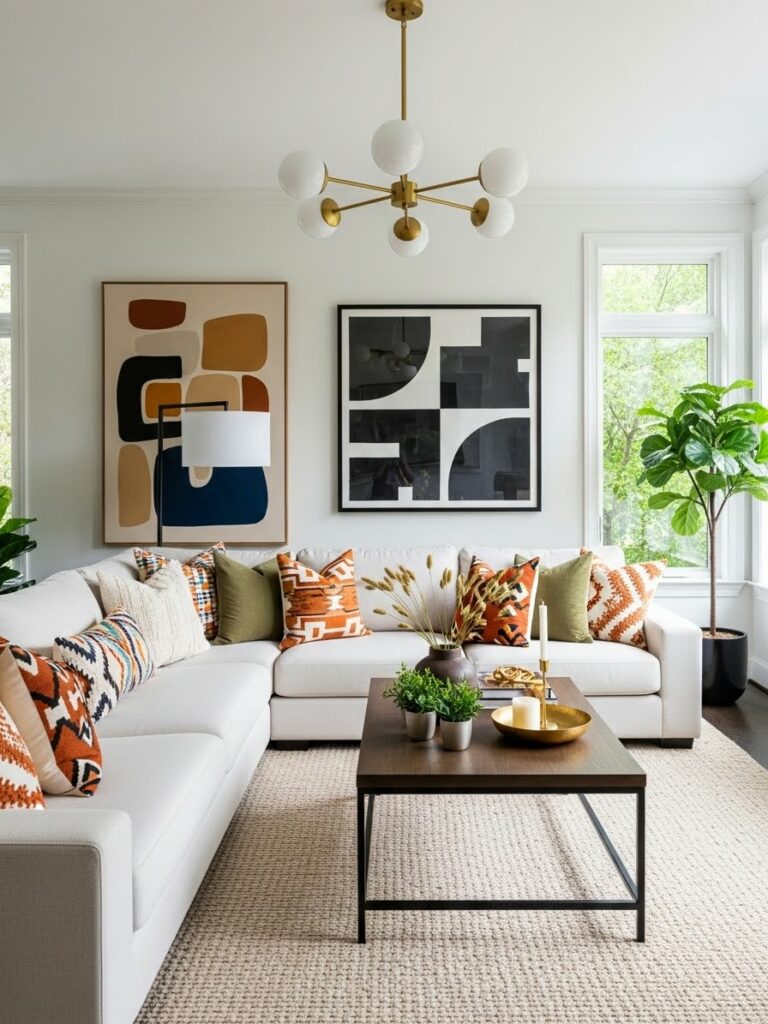
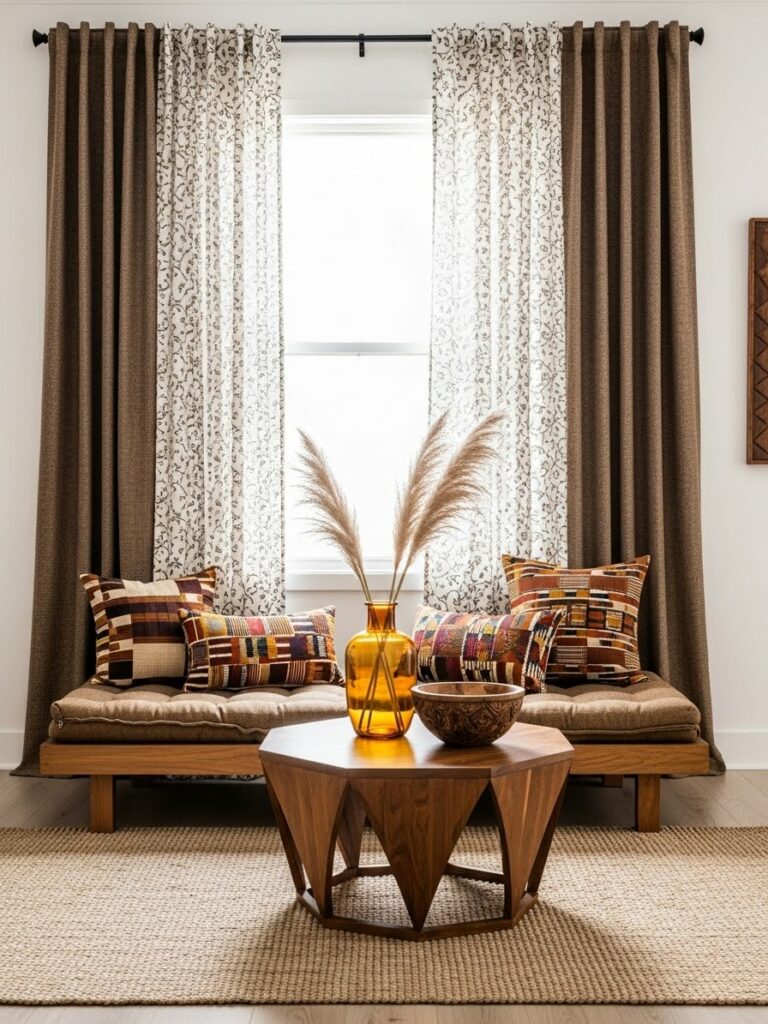
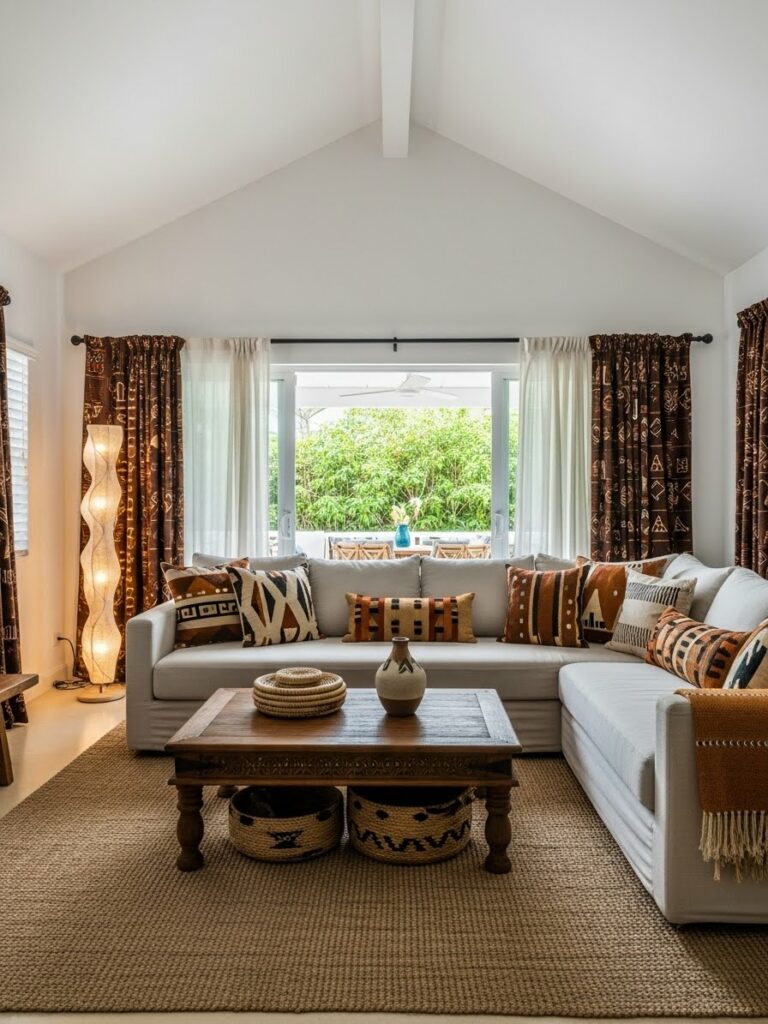
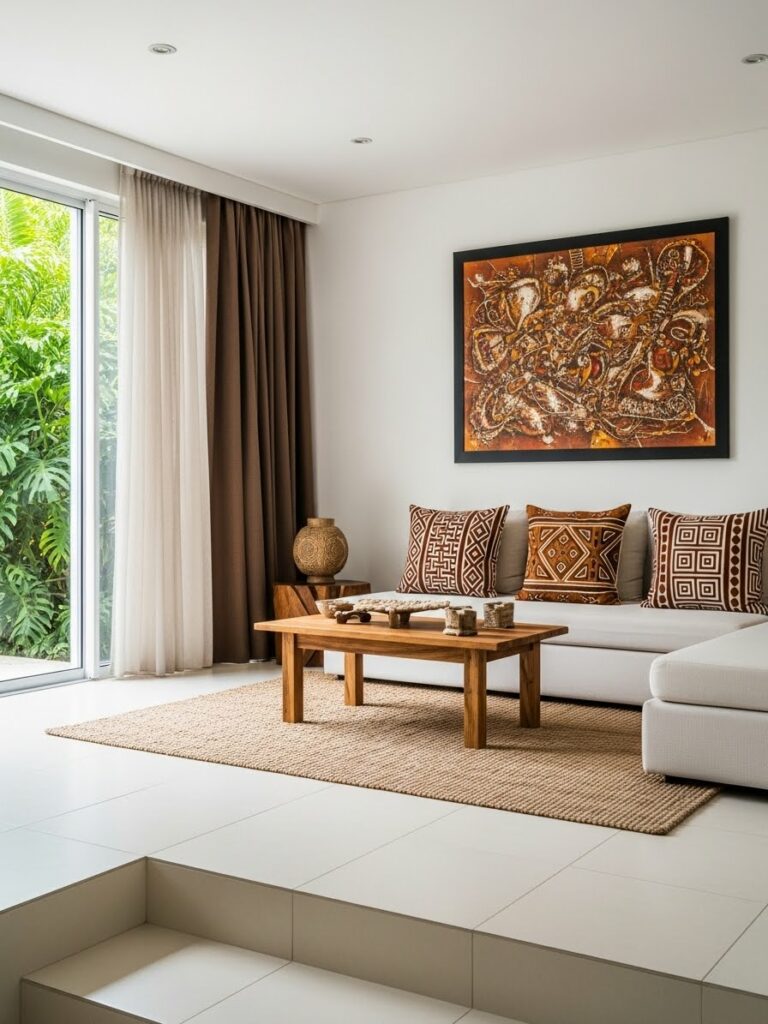
Modern Afrohemianism is about curated expression. It moves away from “clutter” and toward “collections,” where every object on display has been chosen for its history, its material, or its symbolic resonance. By merging the geometric precision of modern design with the soulful, hand-wrought textures of the African diaspora, this style creates interiors that are physically warm yet intellectually stimulating. It is the perfect aesthetic for those who want their homes to feel like a high-end global gallery that remains deeply personal and inviting.
The core of this trend lies in material honesty. Whether it is the grain of a raw timber table or the visible brushstrokes on a piece of mudcloth, Modern Afrohemian design celebrates the process of making. To achieve this look, you must look for secondary keywords such as architectural African decor, modern ethnic minimalism, contemporary tribal patterns, and sustainable global design. This guide provides 31 essential strategies to help you navigate this transition from basic boho to sophisticated Afroho.
Curating with Malian Mudcloth Accents
Mudcloth, or Bògòlanfini, remains the soul of the Modern Afrohemian aesthetic. However, instead of using it as a casual throw, the modern approach is more intentional. Frame a high-quality, hand-painted piece, or style Mudcloth Patterned Throw Pillow Covers as focal points on a minimalist sofa. The black-and-white geometric patterns provide a sharp, graphic contrast that anchors a neutral room. Using mudcloth in its raw, unstitched form emphasizes the textile’s origin and elevates it from a mere accessory to a piece of museum-quality art.
Architectural Placement of Juju Hats
The Juju hat is a Cameroonian symbol of prosperity, but in a modern setting, its placement should be sculptural. Instead of crowding a wall with multiple hats, choose one oversized piece in a saturated, monochromatic tone like deep plum or charcoal. This creates a bold, feather-textured relief against a flat-painted wall. The circular shape breaks up the rectangular grid of modern furniture, providing a soft but commanding visual weight that draws the eye upward.
The Power of Negative Space in Global Styling
Minimalism is the “modern” half of Modern Afrohemian decor. Unlike traditional bohemian styles that favor maximalist layering, the modern approach relies on negative space to let global artifacts breathe. If you have a collection of items, such as Small Hand-Carved Wooden Animal Figurines, don’t group them all together. Place a single, significant piece on a clean white shelf. This isolation highlights the craftsmanship and turns a simple object into a conversation starter, making the space feel curated rather than cluttered.
Monolithic Wood and Live-Edge Foundations
Modern design often feels cold because of its reliance on glass and metal. Afrohemian style counters this with monolithic wood. A solid, raw-edged coffee table or a thick, carved Sénoufo stool provides the necessary warmth. The “Modern” twist is to pair these rugged, heavy wood pieces with sleek, thin-profile furniture, such as a velvet sofa with needle-thin brass legs. This tension between heavy and light is the secret to a balanced Modern Afroho room.
Deep Tonal Saturated Color Drenching
Moving beyond the beige walls of the past, 2026 trends favor “color drenching.” Choose an earthy, saturated hue like terracotta or burnt umber and paint the walls, trim, and even the ceiling in the same matte finish. This creates a cocoon-like environment where your African-inspired textures—like woven baskets or copper bowls—can stand out with high-definition clarity. Saturated colors provide a moody, sophisticated backdrop that feels instantly more high-end than standard off-white.
Incorporating Hand-Hammered Metalwork
Metal adds a “glint” of luxury to the organic Afroho palette. Hand-hammered brass or copper basins, or Brass Hammered Metal Trays used as decorative centerpieces, bring a human element to the metallic sheen. Unlike machine-polished chrome, hammered metal shows the marks of the artisan, aligning perfectly with the Afrohemian love for the handmade. These warm metals catch the evening light and add a layer of sophistication to rustic wooden surfaces.
Sculptural Plant Life: The Bird of Paradise
No Modern Afrohemian space is complete without greenery, but the focus is on structure. The Faux Potted Bird of Paradise is the ultimate choice for this aesthetic. Its tall, architectural stalks and broad, waxy leaves provide a dramatic vertical silhouette that fills corners without feeling messy. Placing a large plant in a matte black ceramic pot or a hand-woven seagrass basket integrates nature into the room’s design language seamlessly.
Minimalist Tribal Geometry in Textiles
Modernity thrives on geometric patterns. Look for tribal prints that have been simplified or “blown up” in scale. A large-scale, repeating diamond motif on a Geometric Tribal Cotton Area Rug or a series of simple line-work prints on linen curtains provides a subtle nod to African weaving traditions while maintaining a clean, contemporary look. This “minimalist tribal” approach prevents the room from feeling like a period piece and keeps it firmly in the present.
The Use of Natural Indigo (Adire)
Indigo-dyed textiles, particularly the Adire cloth from Nigeria, bring a soulful blue to the interior. In a modern space, use indigo as a sophisticated neutral. A deep blue Adire-patterned rug or an Indigo Tie-Dye Cotton Throw can cool down a room filled with warm wood and terracotta. Indigo has a historical depth that synthetic blues lack, adding a layer of mystery and “vibration” to the color palette.
Low-Level Communal Seating and Poufs
Traditional African and bohemian cultures both favor a grounded way of living. Incorporate high-quality Unstuffed Faux Leather Moroccan Poufs or low-slung, “fat” furniture that encourages guests to relax. In 2026, “Comfort Core” is a major trend—meaning sofas are becoming more voluptuous and sculptural. Pairing a modern, curved sofa with several hand-stitched leather floor cushions creates an intimate, inviting setting for conversation.
Basket Wall Installations as Focal Points
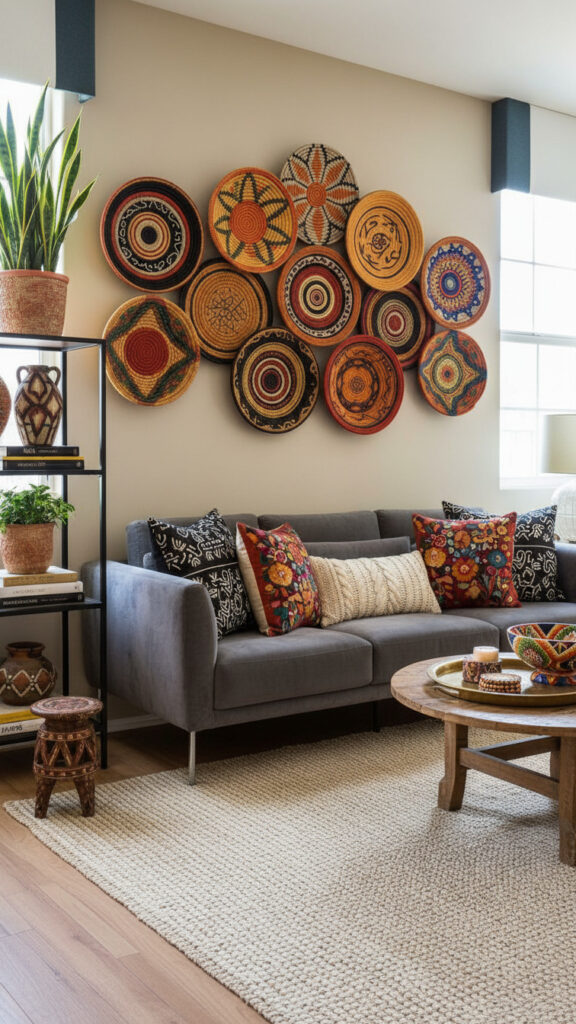
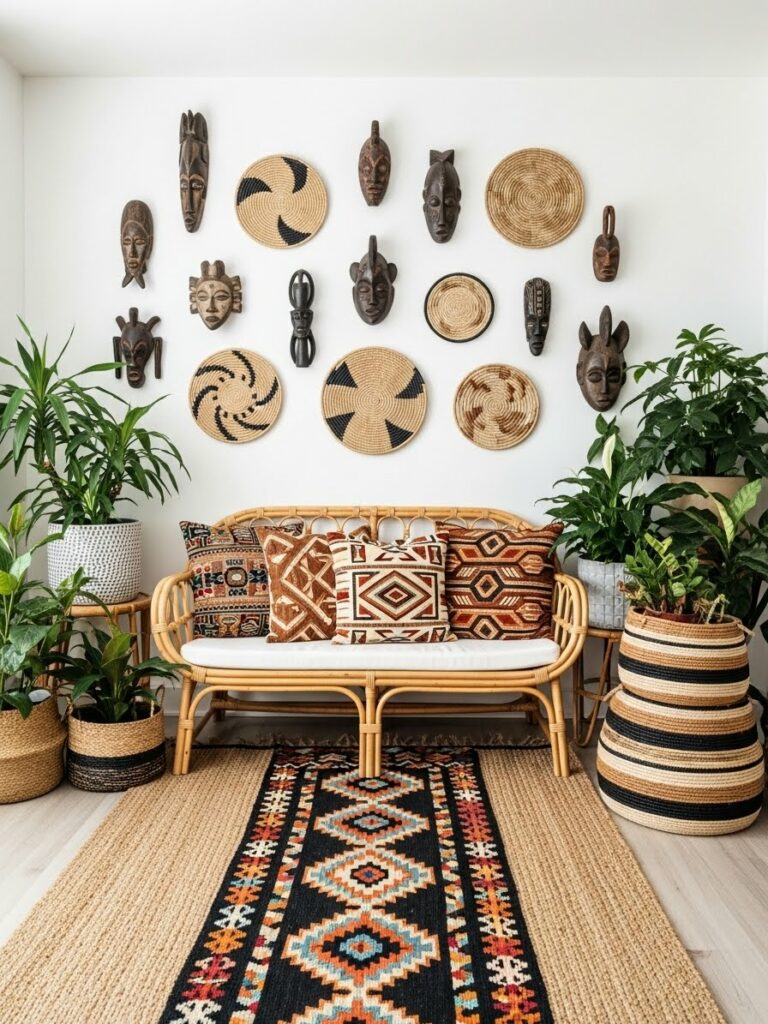
Woven Tonga or Binga baskets from Zimbabwe are essentially 3D wall art. In a modern room, create a large-scale installation by clustering a Hand-Woven Seagrass Wall Basket Set of varying sizes across a major wall. The radial patterns draw the eye toward the center of the arrangement, while the natural palm fibers keep the space feeling light. This installation adds a “living” texture to the room that framed art can never duplicate.
Matte Black Accents for Depth
Modern design often needs a “touch of black” to ground the space. In Modern Afrohemian decor, use matte black in your accessories—think a Matte Black Ceramic Vase Set, black-framed masks, or even a black-stained wood coffee table. This high-contrast element anchors the lighter textiles and earthy tones, giving the room a sense of visual luxury and depth that prevents it from feeling washed out.
Ethical Sourcing and Artisanal Storytelling
To truly master this style, understanding the “why” behind the objects is crucial. A modern decorator looks for pieces with a transparent supply chain. Whether it is a hand-woven rug from a cooperative in Morocco or a beaded mask from a Ghanaian artisan, knowing the story of the piece adds an invisible layer of value to the room. For a deep dive into the cultural history of these materials, the Metropolitan Museum of Art’s guide on African textiles is an invaluable resource that helps you curate with intention.
Raffia and Fringe: Tactile Modernity
Raffia is the quintessential texture of the African savanna. In a modern home, it can be used as a Macrame Woven Wall Hanging or as a fringe on a contemporary chandelier. The movement of raffia—the way it catches a breeze or casts a shadow—adds a dynamic, living element to the static nature of a room. It provides a “wild” edge to the refined surfaces of a modern interior.
Sustainable Materials: Jute, Sisal, and Bamboo
Sustainability is a core pillar of the 2026 Modern Afrohemian home. Choose rugs made from jute or sisal, such as a Natural Jute Runner Rug, and furniture made from fast-growing bamboo or rattan, like a Set of 3 Tiered Bamboo Plant Stands. These materials are not only eco-friendly but also provide a neutral, grassy scent and a tactile roughness that balances the smoothness of polished floors or painted walls. They are the “humble” materials that ground the high-end accents of the room.
Abstract Afrocentric Wall Prints
While artifacts are essential, contemporary art keeps the space modern. Look for Abstract Sun & Moon Afrocentric Wall Art that utilizes the colors of the African landscape—deep reds, forest greens, and sun-bleached yellows. These paintings can act as the “anchor” for your room’s color palette, tying together the various textile and wood elements into a cohesive visual narrative.
Terracotta: The New Neutral
Terracotta is more than just a material; it is a color that defines the Modern Afroho palette. Use terracotta-toned linens, paint, and ceramics—such as a Terracotta-Toned Planter Set—to create a sense of sun-drenched warmth. It acts as a much more vibrant and soulful alternative to gray or beige, providing a grounded foundation that makes white furniture look crisp and artisanal wood look even richer.
Hand-Carved Decorative Bowls
A single, large-scale wooden bowl carved from a tree trunk makes for a stunning centerpiece on a dining table or entryway console. These objects are the “monoliths” of the decor world—singular, powerful, and timeless. They bridge the gap between nature and the domestic sphere, reminding us of the raw beauty of the earth.
Beaded Art and Jewelry as Decor
Beadwork is a significant part of many African cultures, particularly among the Maasai and Yoruba. Displaying a Decorative Wood Bead Garland with Tassels on a simple stand or hanging a beaded wall piece adds a meticulous, high-detail texture to the room. The vibrant colors of the beads can act as small, intentional “pops” of energy in a room dominated by earthy neutrals.
Linen: The Fabric of Air and Light
Linen is the ideal upholstery for a Modern Afrohemian home. Its slightly wrinkled, unpretentious texture feels high-end yet relaxed. Choose linen sofas in oatmeal or charcoal to act as a quiet backdrop for your more “vocal” African textiles. Linen curtains also filter light in a way that creates a soft, diffused glow, enhancing the atmospheric mood of the space.
Brass and Bronze Figurine Accents
Small bronze figurines, such as Ashanti gold weights, add historical and metallic interest to bookshelves. These “micro-details” are what make a home feel like a curated exhibit. Their dark, metallic finish provides a nice counterpoint to light wood and fabrics, inviting closer inspection and storytelling.
Scent Stacking: Creating an Olfactory Landscape
In 2026, “Scent Stacking” is a major trend. Create a Modern Afrohemian olfactory signature by layering scents like frankincense, sandalwood, and oud. Using a hand-carved stone oil burner or an artisanal incense holder adds another layer of tactile decor to the room, making the home a truly multi-sensory experience.
Modern Rattan Mirrors
Mirrors are essential for expanding modern spaces, but in Afroho decor, the frame is everything. A Rattan Mirror with Sunburst Frame provides a natural, radiating focal point that reflects light while adding texture. It’s a way to bring a bohemian “sunshine” vibe to even the smallest or darkest of hallways.
Layering Textures, Not Just Items
The secret to Modern Afrohemian success is texture-layering. Place a soft wool rug over a rough jute mat. Hang a feathery Juju hat near a smooth ceramic vase. This juxtaposition of different physical sensations makes a room feel rich and immersive. It’s not about how many things you have, but how those things feel when seen together.
Incorporating Contemporary African Design Lighting
Lighting is the jewelry of the room. Look for chandeliers or pendants made from sustainable African fibers or hand-rolled clay beads. These fixtures cast dappled, atmospheric shadows that contribute to the “cocooning” effect of a soulful home. They serve as a monumental vertical element that ties the room’s global themes together.
The Gallery Wall of Traditional Masks
A collection of masks from different regions—Dogon, Fang, or Baule—creates an intellectual vertical focal point. In a modern space, hang them with significant distance between each piece to emphasize their individual shapes and meanings. This “spacing” is what differentiates a modern gallery from a cluttered flea-market look.
Woven Floor Cushions for Versatile Seating
Large, overstuffed floor cushions in mudcloth or indigo-dyed fabrics provide flexible seating for modern living. They are practical for small apartments and reinforce the grounded, communal nature of the Afrobohemian lifestyle. They soften the hard edges of floor-to-ceiling windows and open-plan floors.
Monochromatic Palettes with High Contrast
To keep the look modern, try a monochromatic color scheme—such as various shades of sand and cream—but introduce high contrast with black artifacts or dark wood. This keeps the room feeling calm and architectural while providing enough visual excitement to keep the eye moving.
Curating travel Mementos with Intent
If you travel, bring back items that have a specific material story. A hand-dyed scarf from a market in Marrakech or a set of soapstone carvings from Nairobi can be used as decor. The key to the “Modern” side is to only display one or two of these at a time, rotating them like a gallery exhibit to keep the space feeling fresh.
Woven Seagrass and Bamboo Storage
Hide your modern clutter—remotes, wires, and chargers—in hand-woven baskets. This functional use of African-inspired craft keeps your modern home looking sleek and clean while adding another layer of natural material to the room. It is the ultimate fusion of utility and aesthetic.
The Intentional Maximalist Bookshelf
Style your bookshelf with a mix of design books and global artifacts. Use the books as “pedestals” for smaller sculptures. This creates varying heights and visual interest, turning a standard storage unit into a revolving exhibit of your global interests and personality.
Conclusion: Building Your Modern Afrohemian Sanctuary
Modern Afrohemian home decor is more than just an aesthetic choice; it is an investment in a home with a soul. By meticulously balancing the clean lines of modernism with the rich textures of the African continent, you create a space that feels both timeless and current. It is a sanctuary that celebrates imperfection, honors tradition, and prioritizes the human hand. As you curate your space with these 31 tips, remember that the most beautiful homes are those that tell a story—your story—of global connection and authentic living.