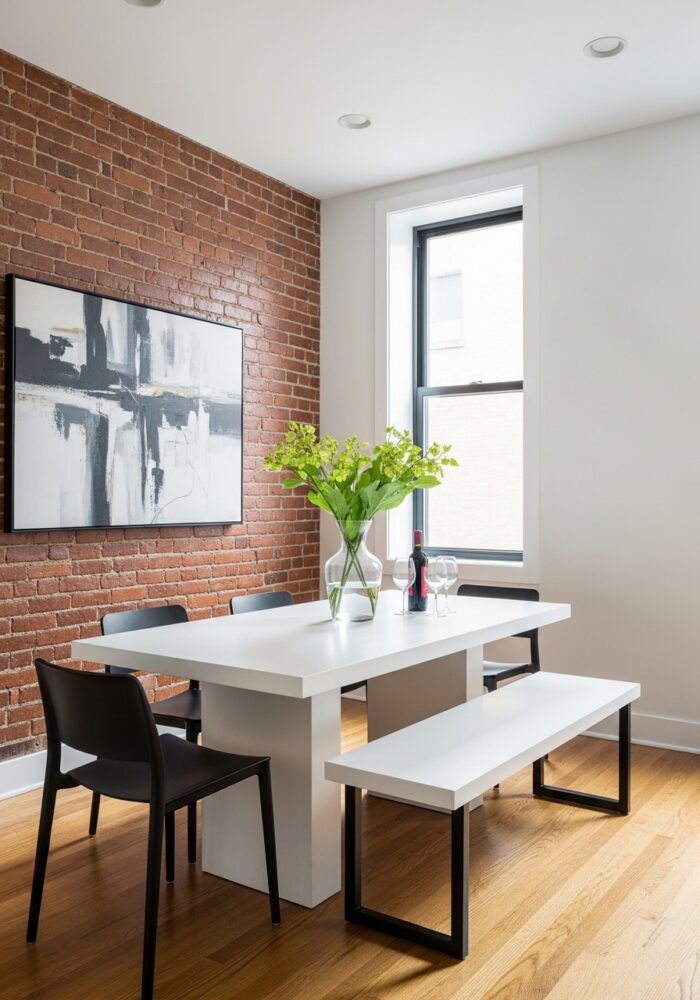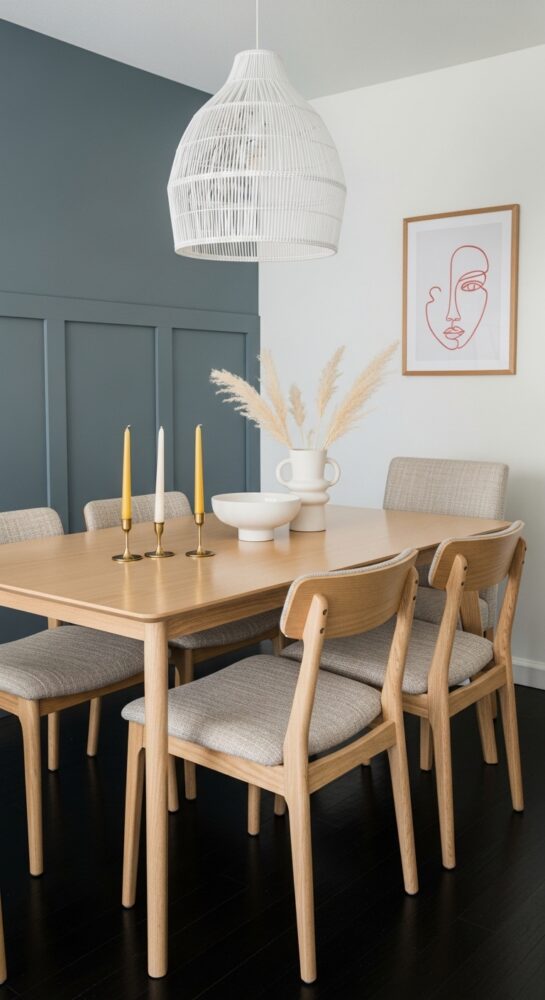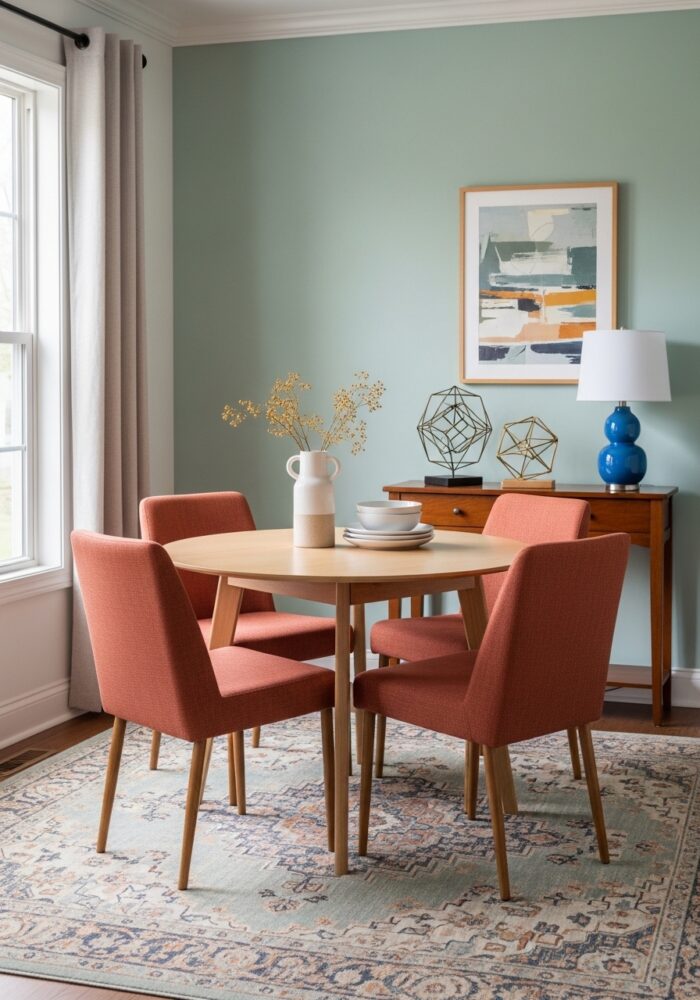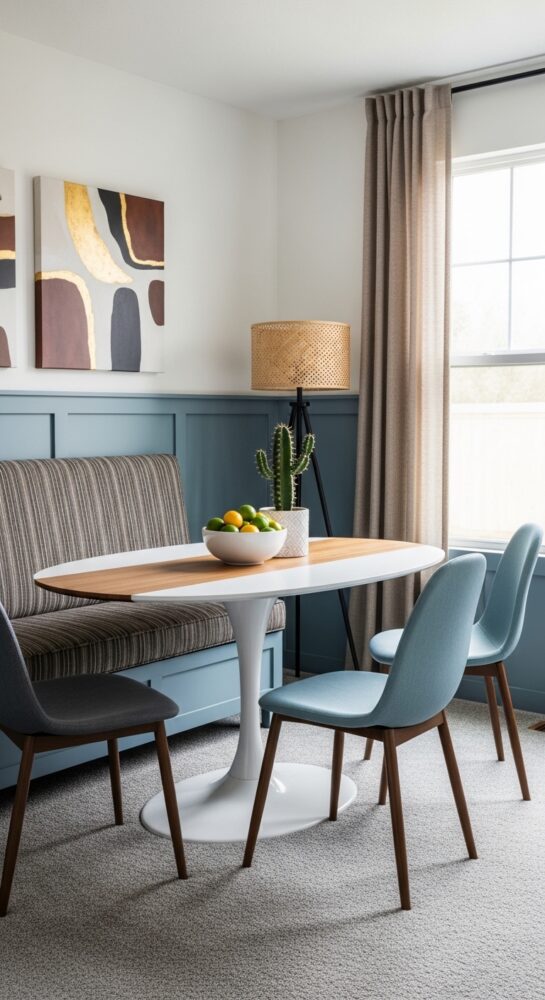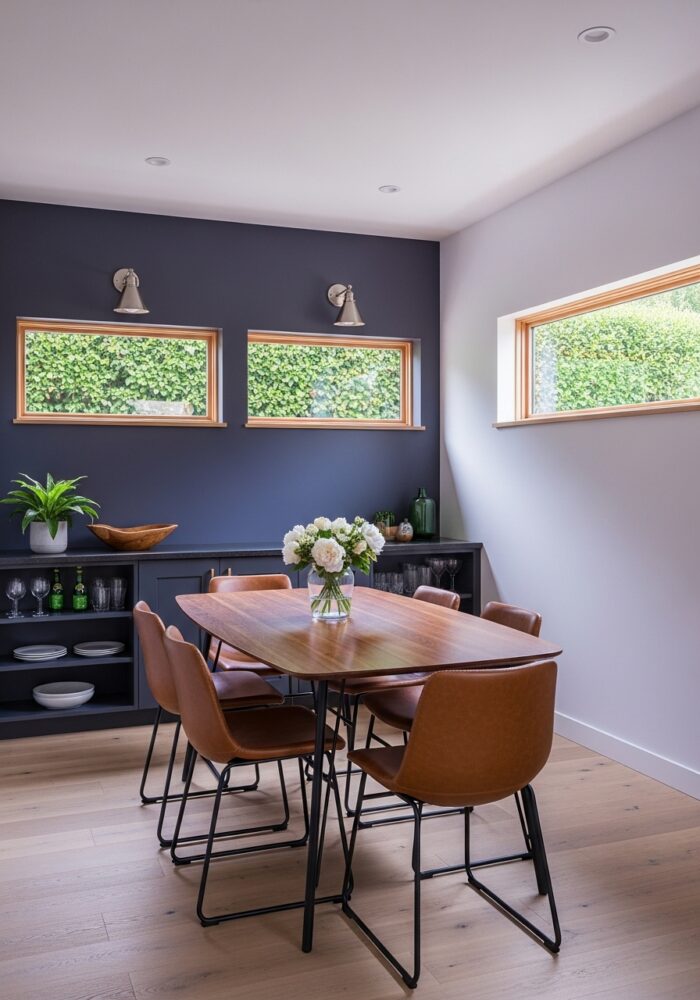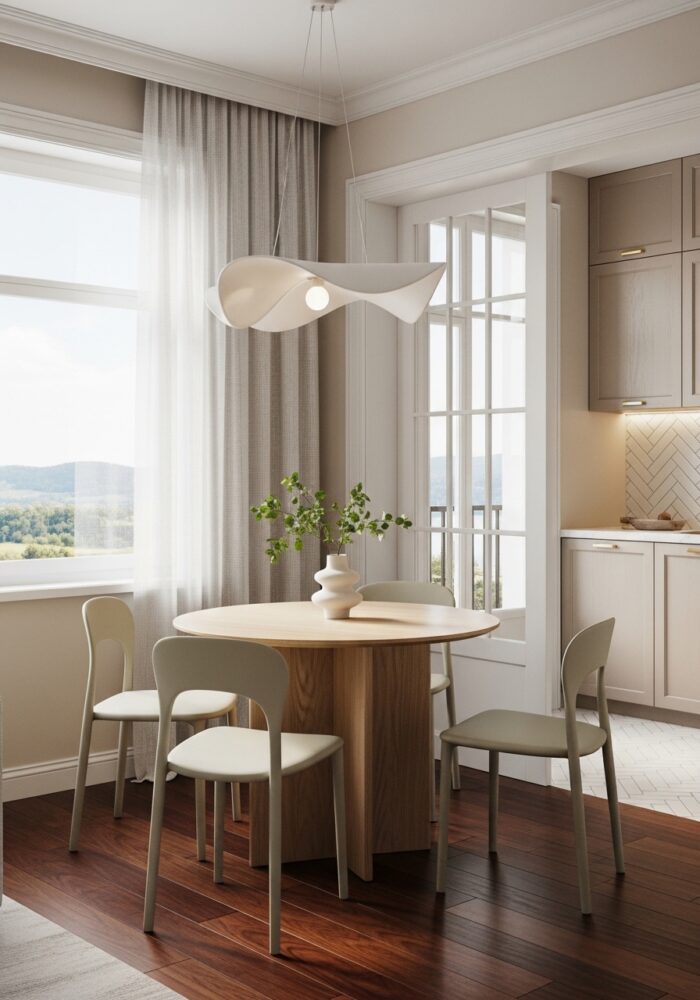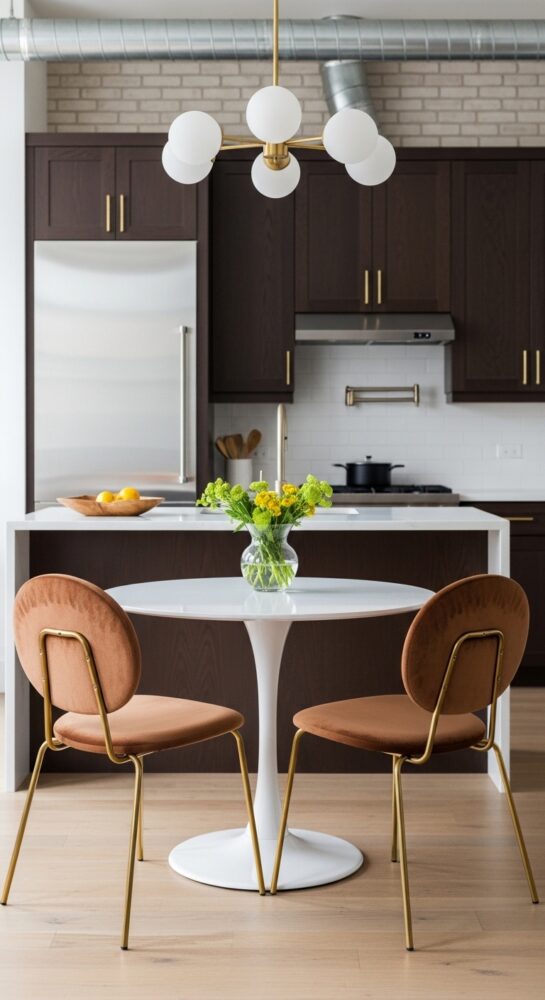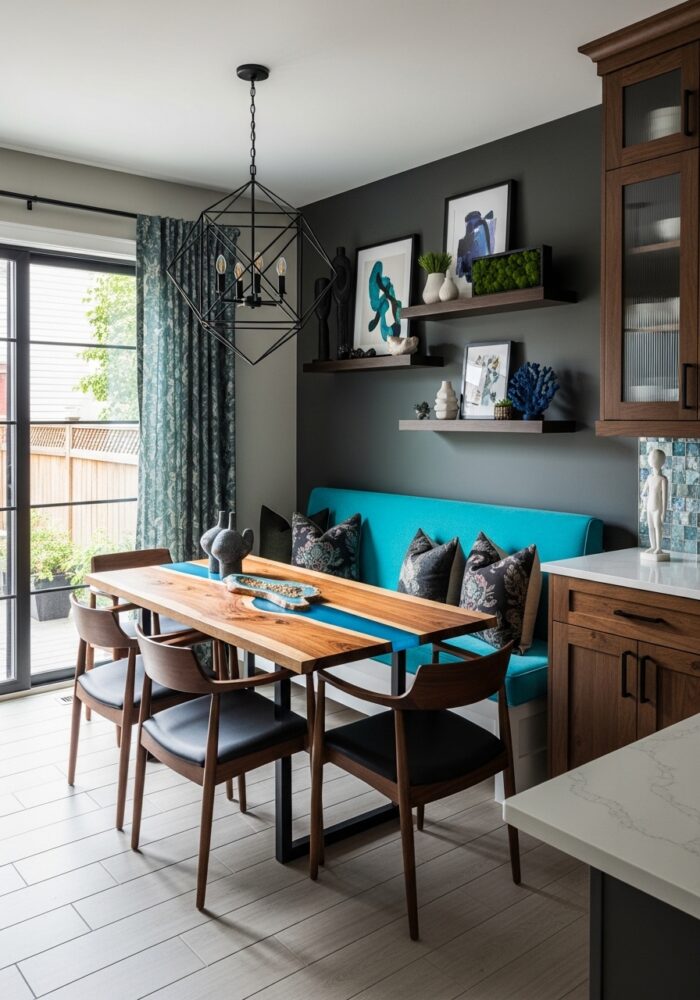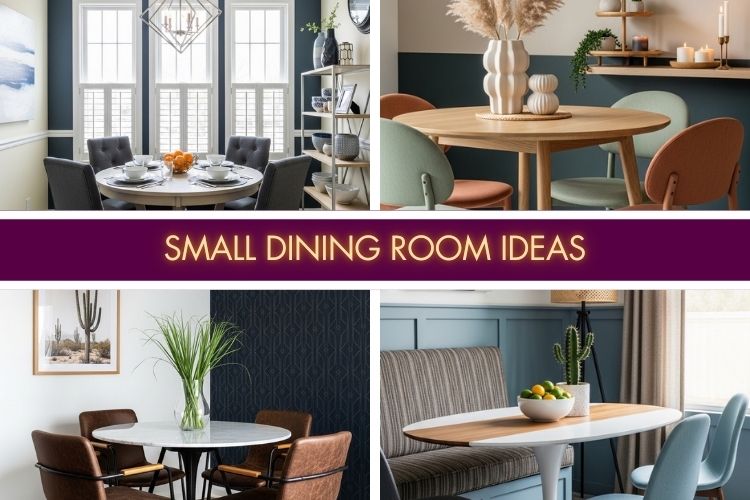
Searching for brilliant small dining room ideas can instantly shift your perspective on a cramped eating space. You do not need a cavernous hall to host a beautiful dinner party. With a few strategic choices, any tight footprint can feel airy, welcoming, and incredibly stylish.
Navigating limited square footage simply requires a thoughtful approach to furniture scale and placement. When every piece serves a specific purpose, the room functions flawlessly without feeling overwhelming. It is entirely possible to create an intimate, luxurious dining experience in a tiny home.
We have gathered 31 expert tips to help you optimize your layout and decor. Let us explore how to make your compact space work harder for you.
Try a Round Table
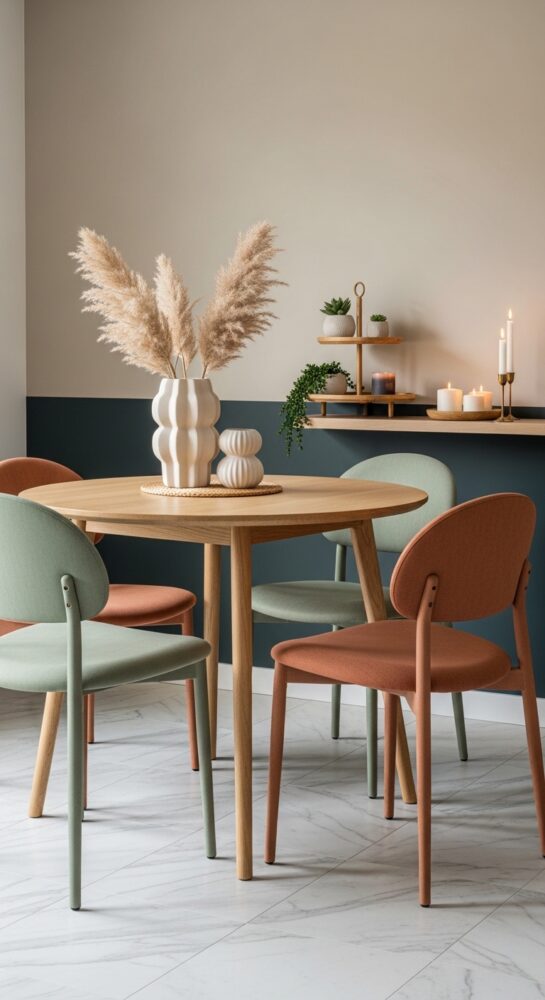
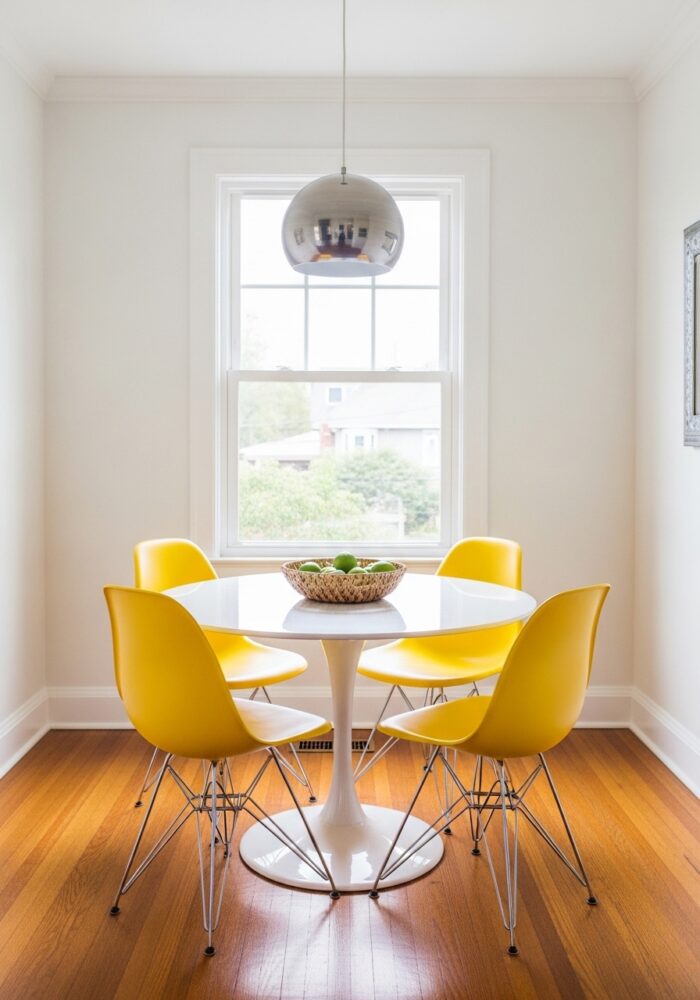
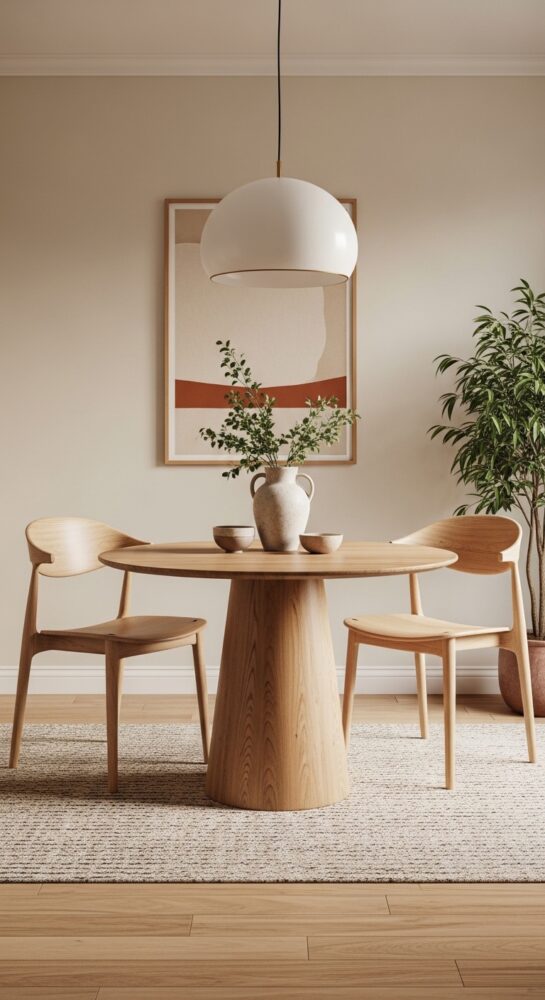
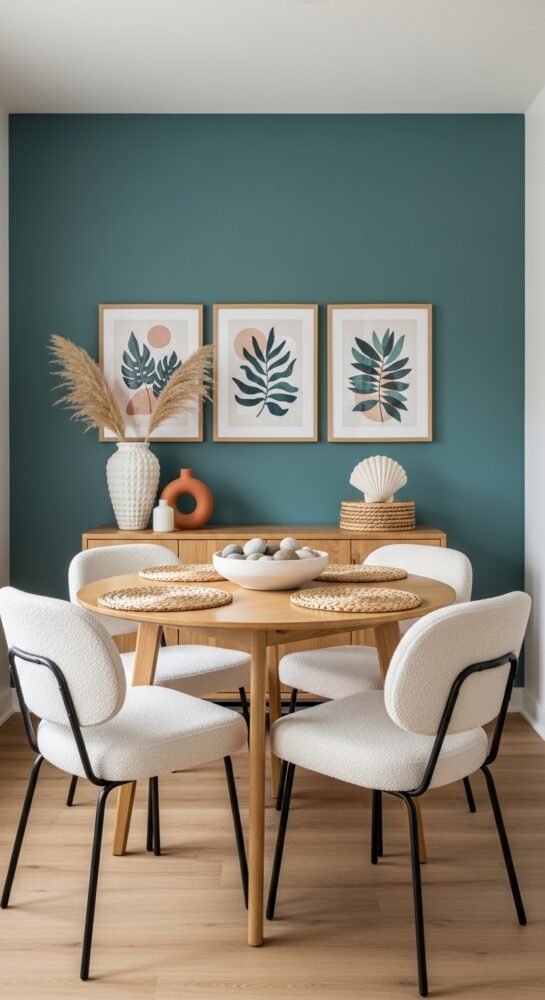
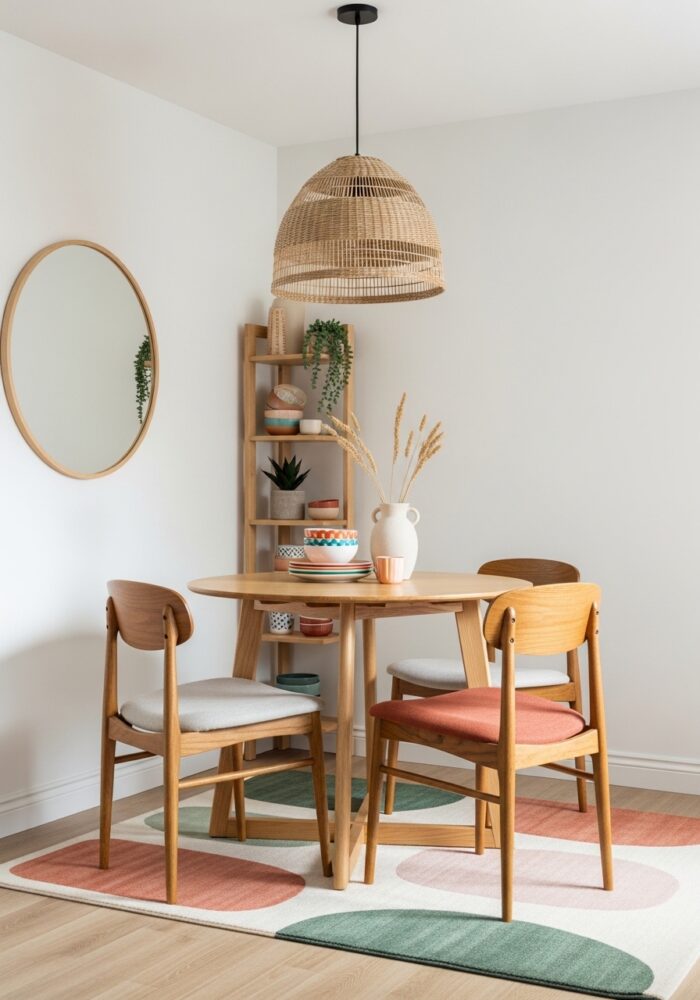
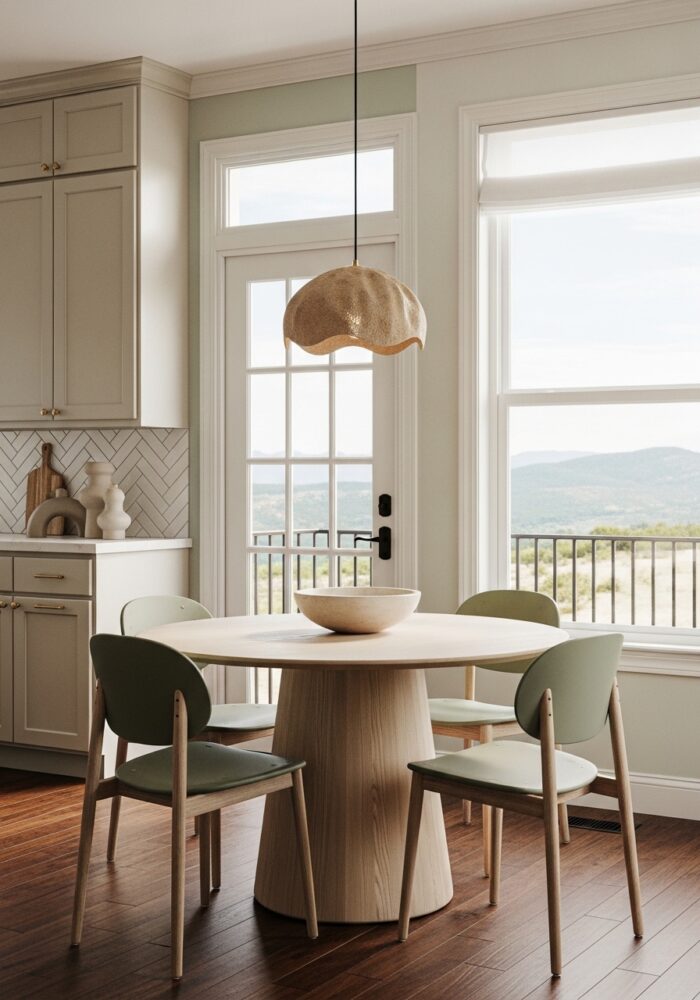
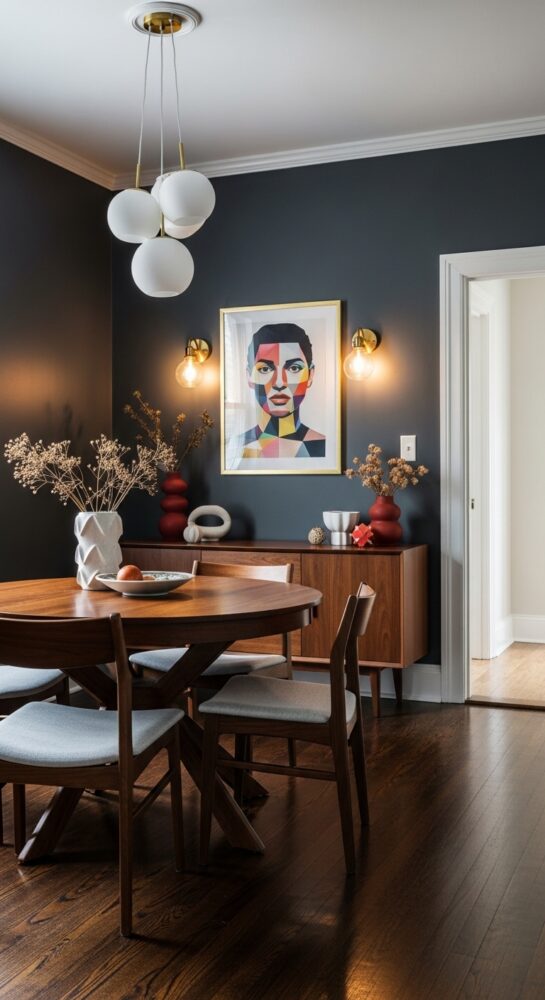
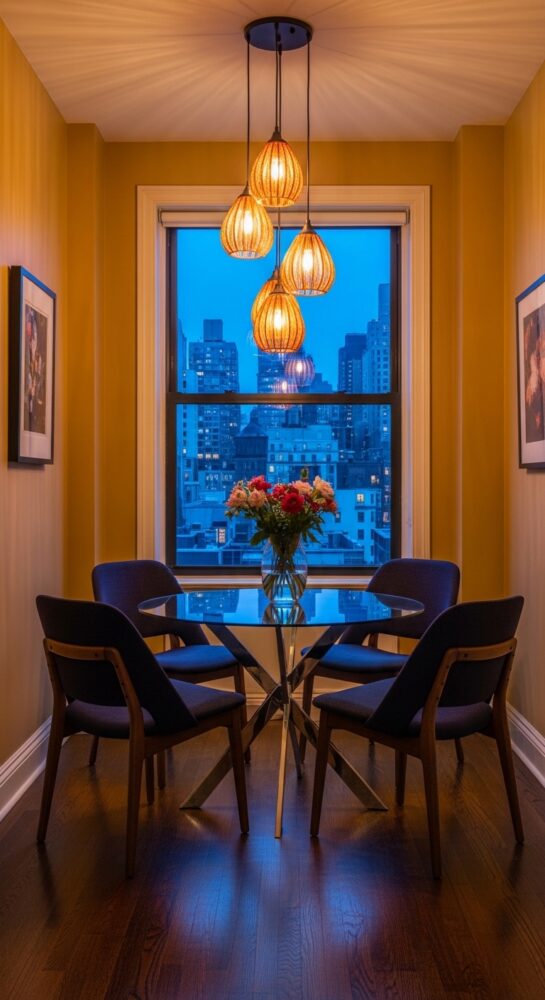
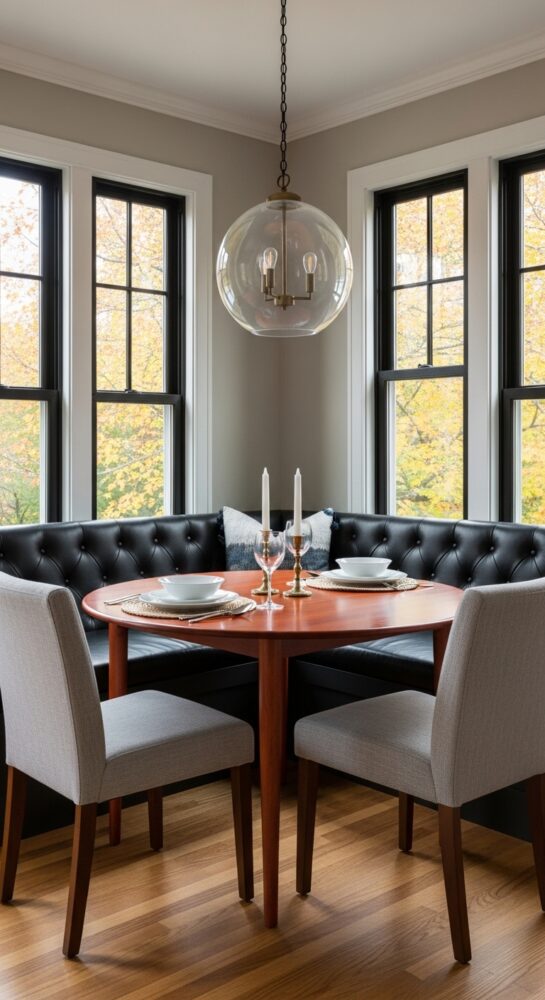
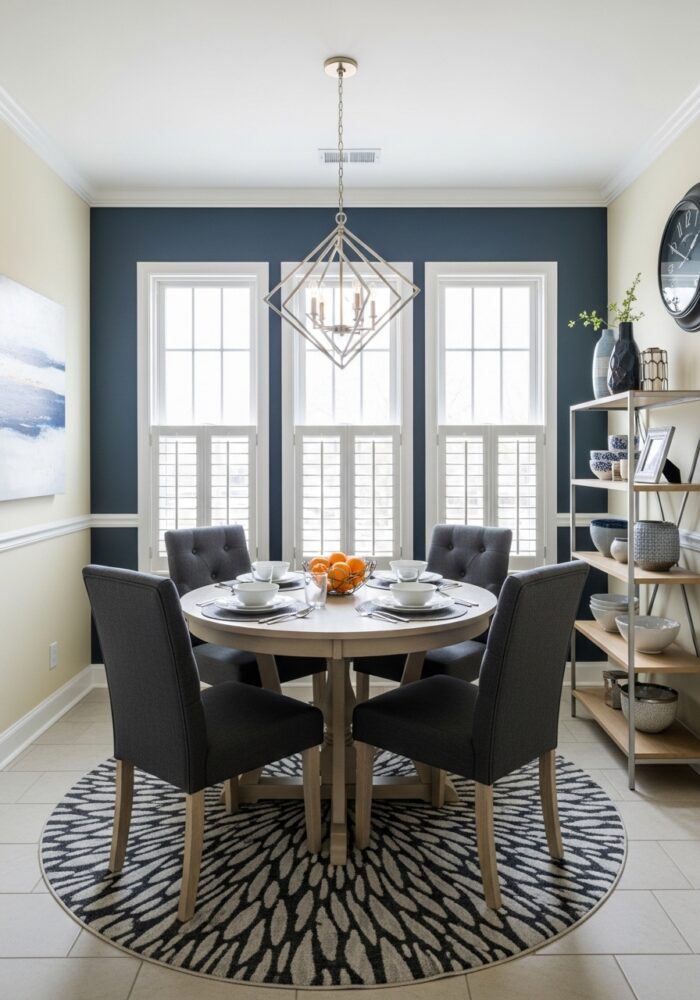
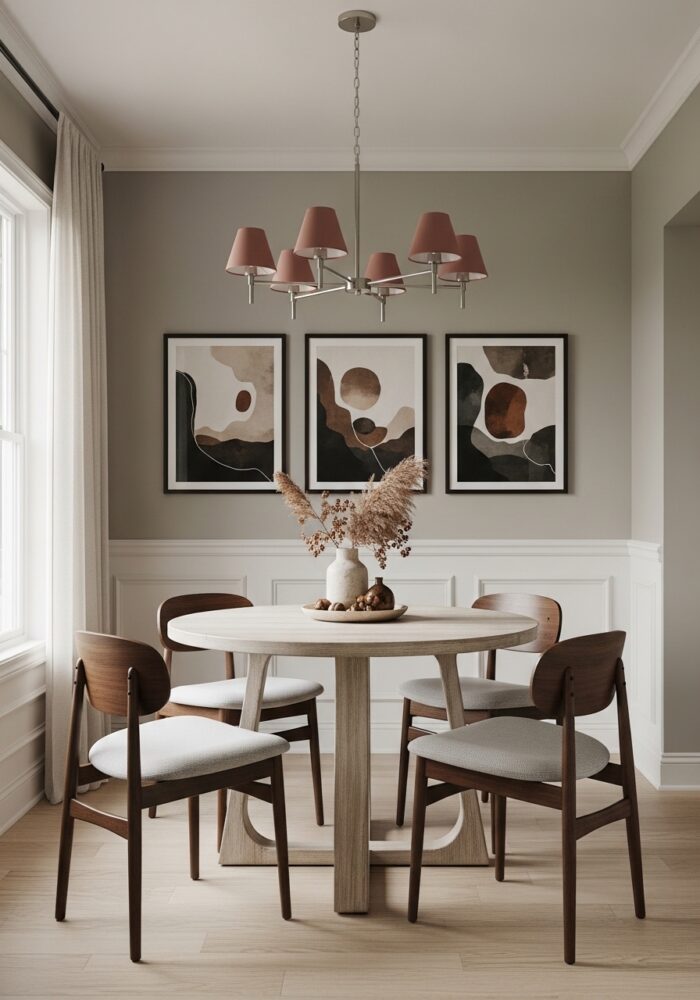
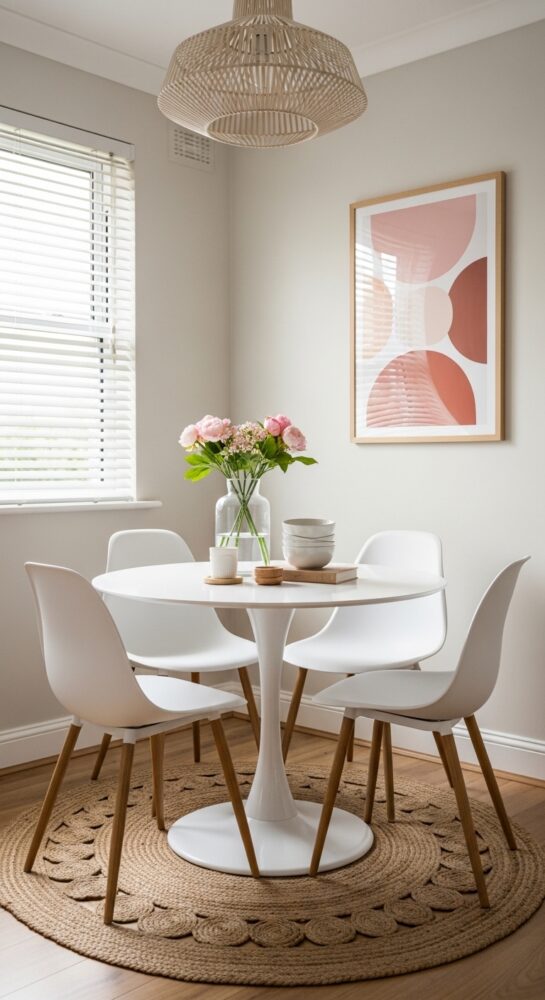
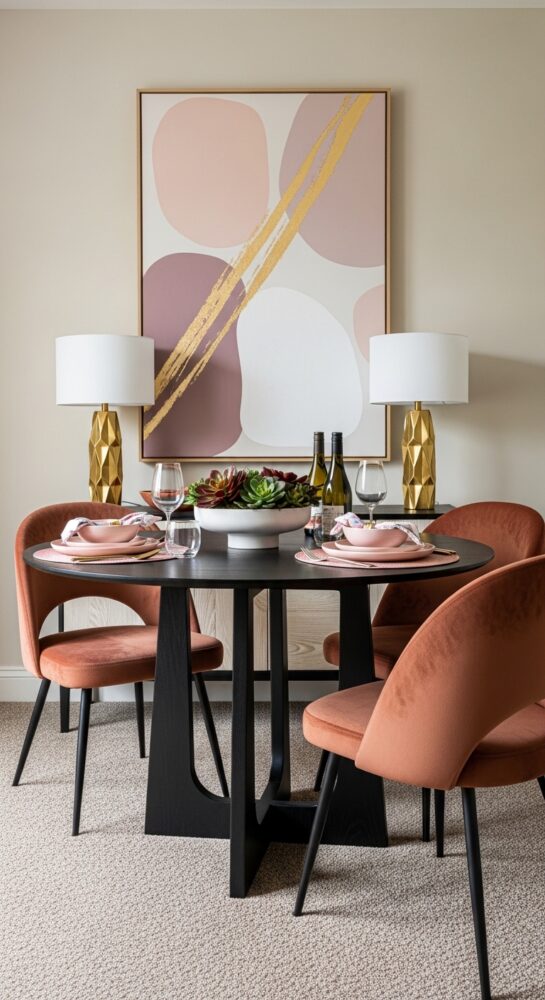
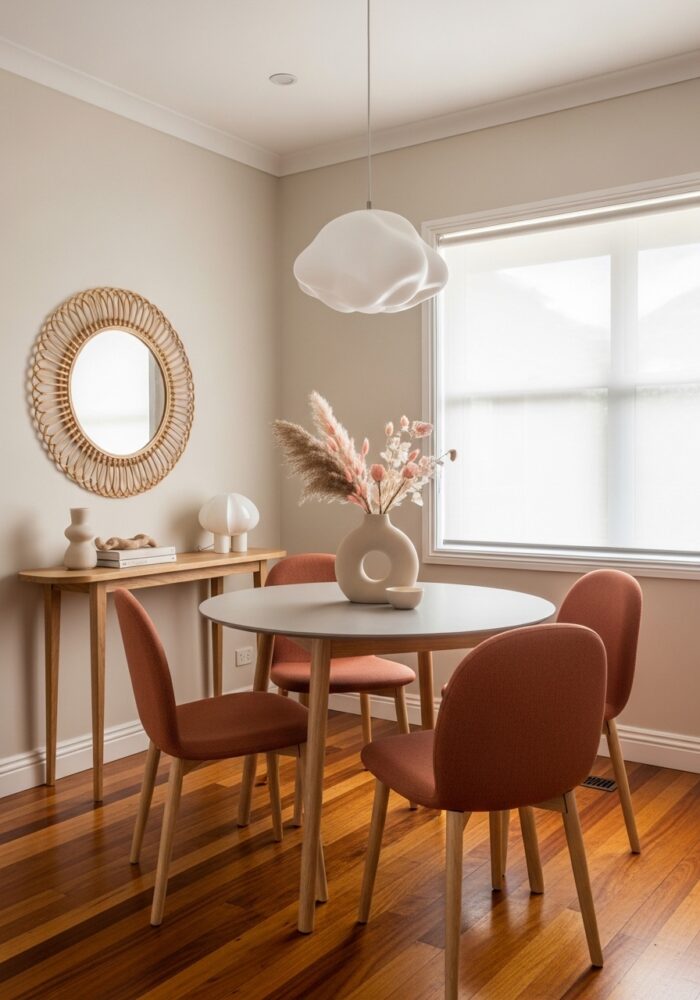
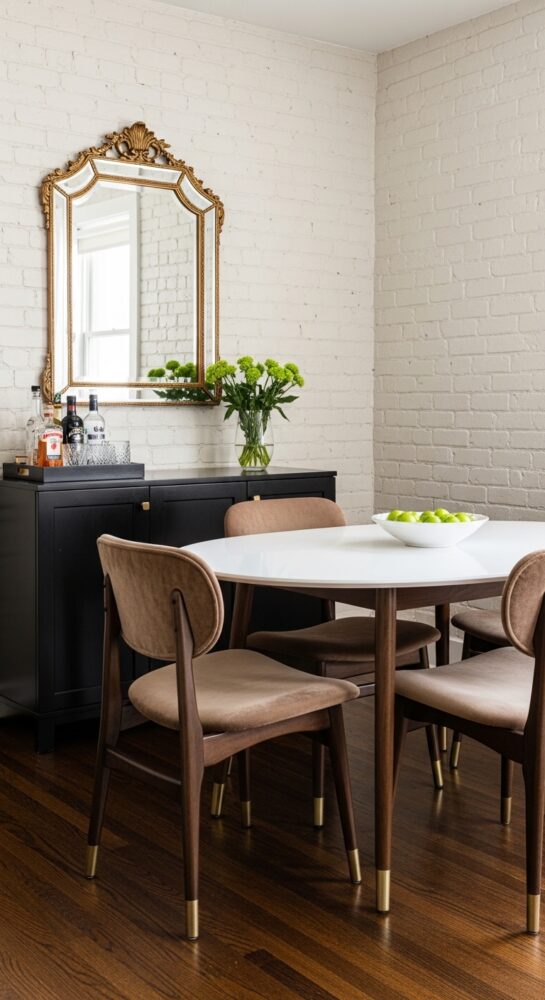
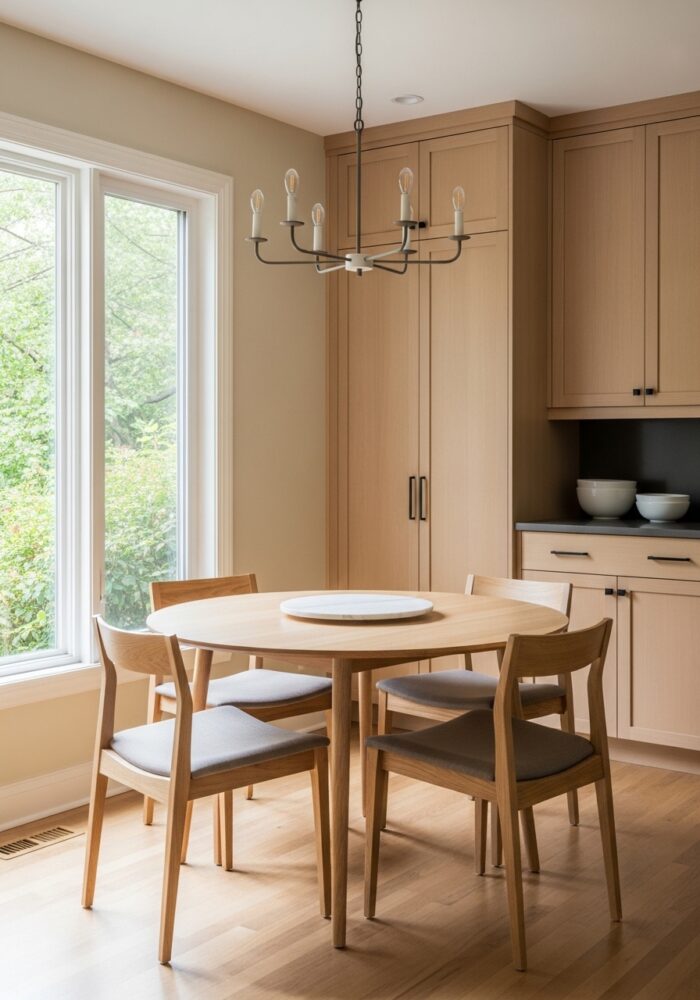
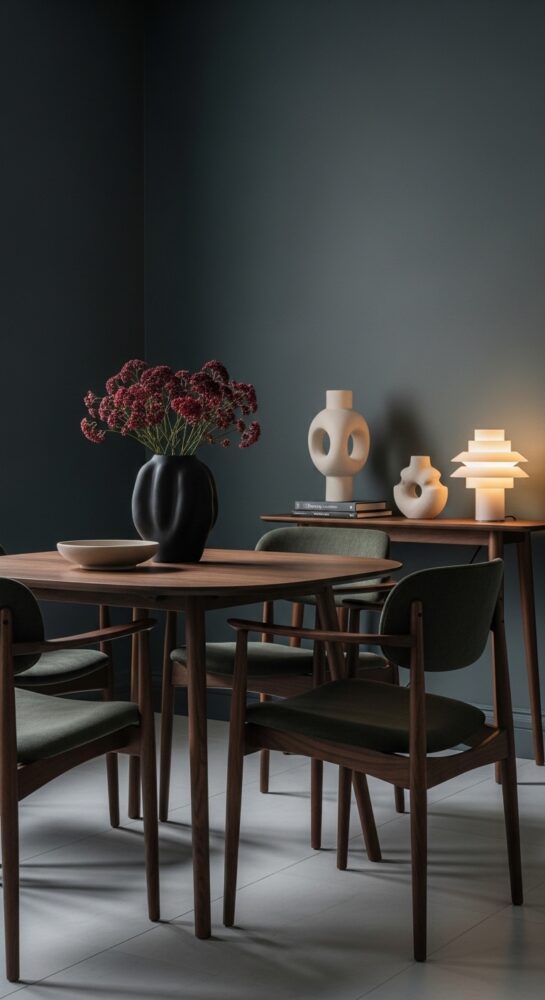
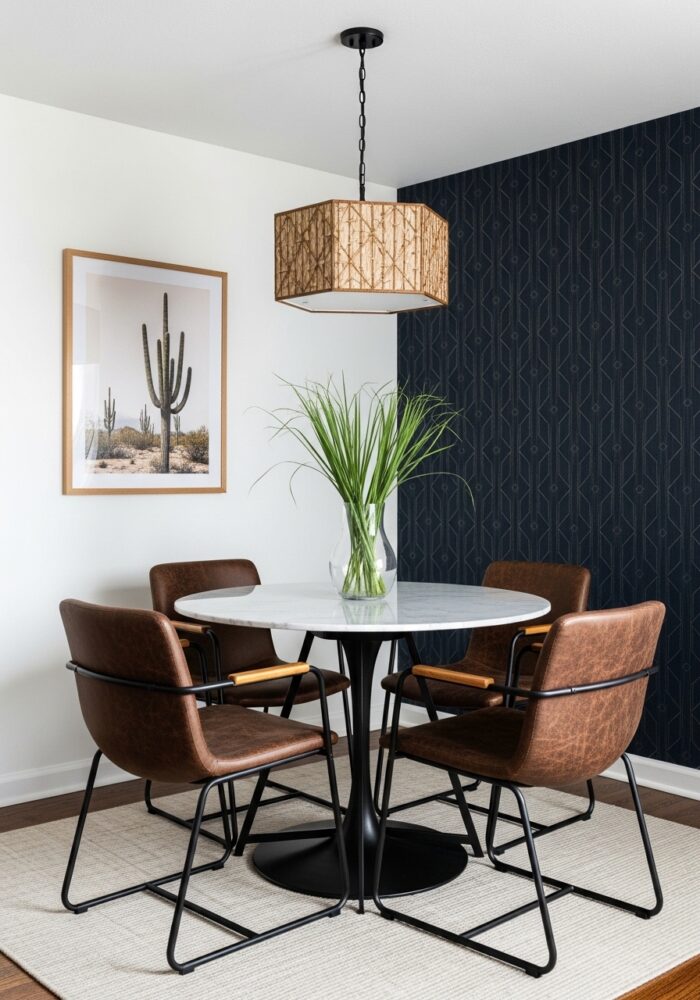
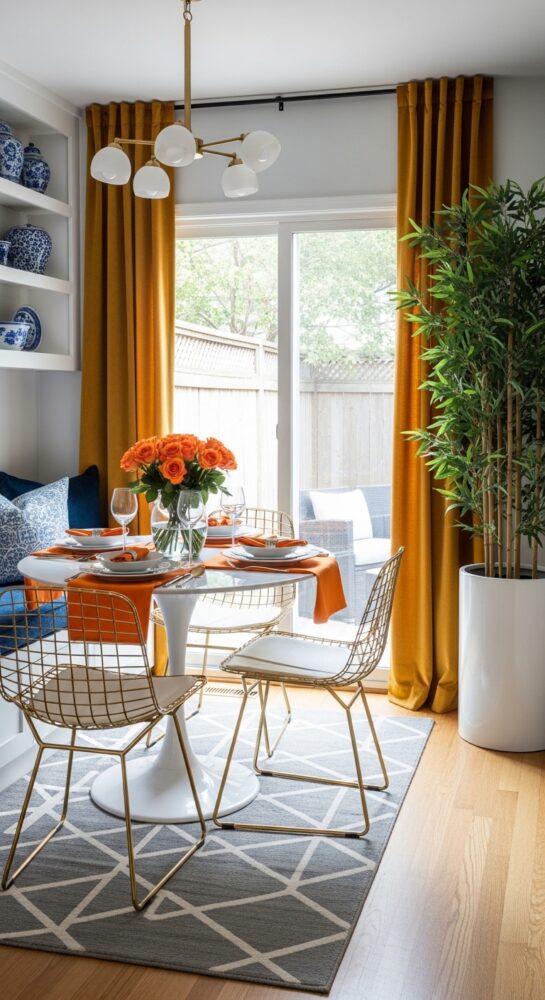
Swapping sharp corners for a mid-century modern round dining table is a brilliant spatial trick. Curves allow for much easier movement in tight quarters. You can also squeeze in extra guests without awkward table edges getting in the way.
Choose Clear Seating
Transparent furniture significantly reduces visual clutter in a room. Using clear acrylic ghost chairs (set of 4) tricks the eye by allowing light to pass right through them. They provide essential seating without blocking your view of the surrounding space.
Install a Banquette
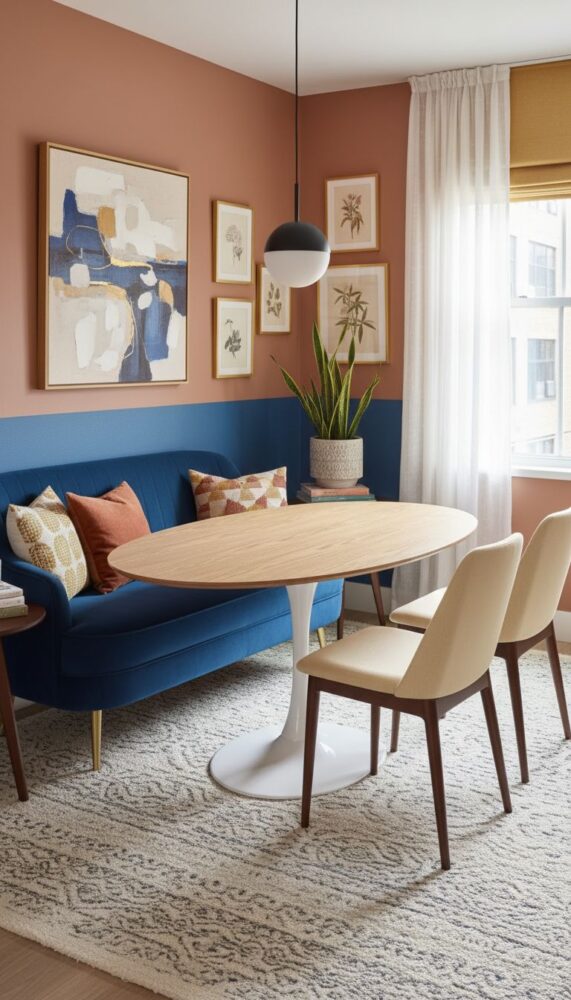
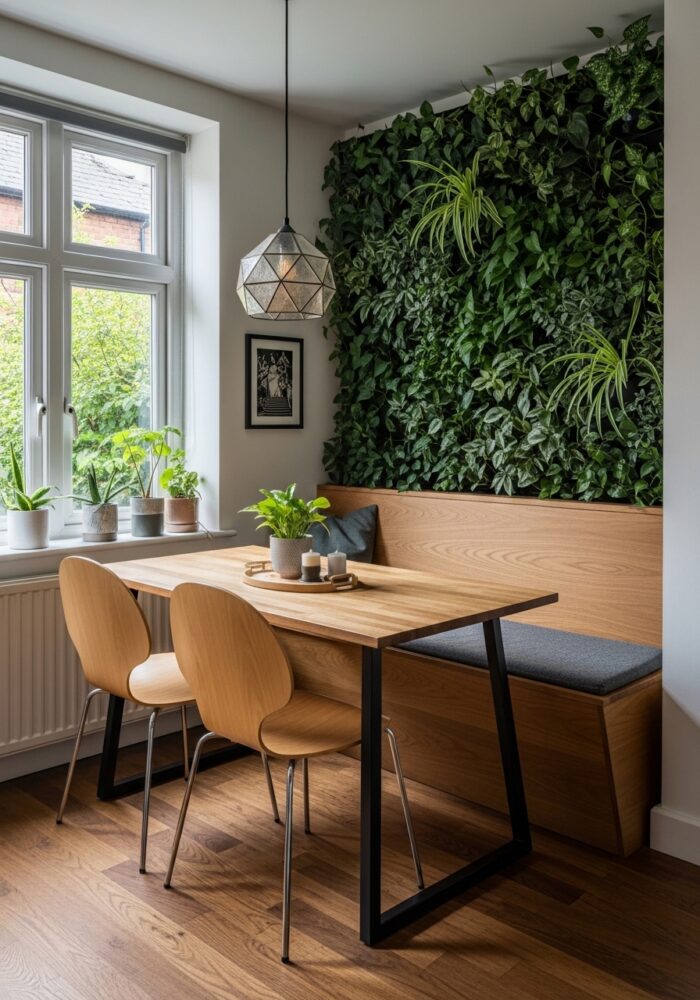
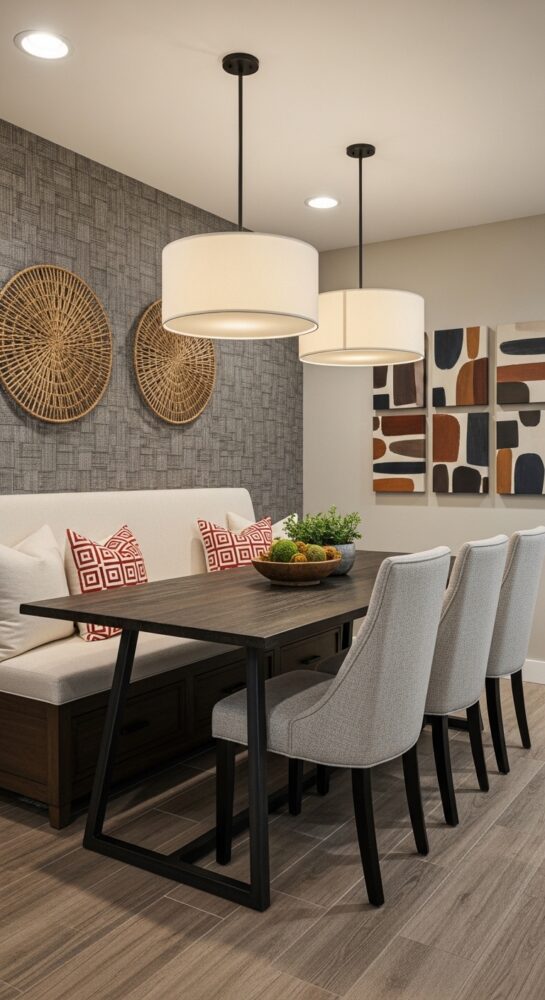
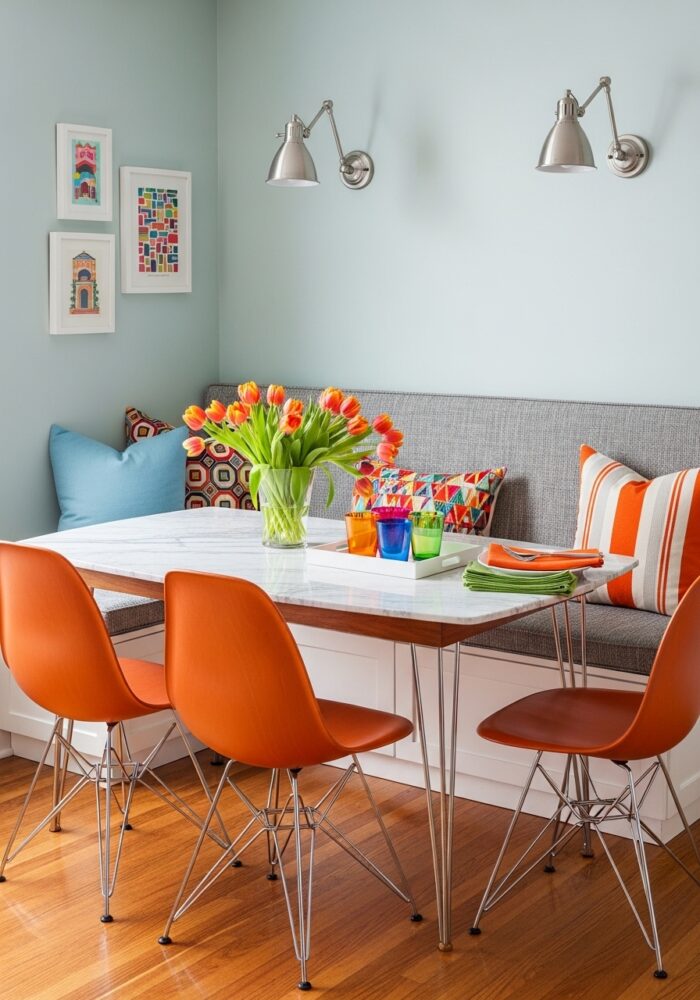
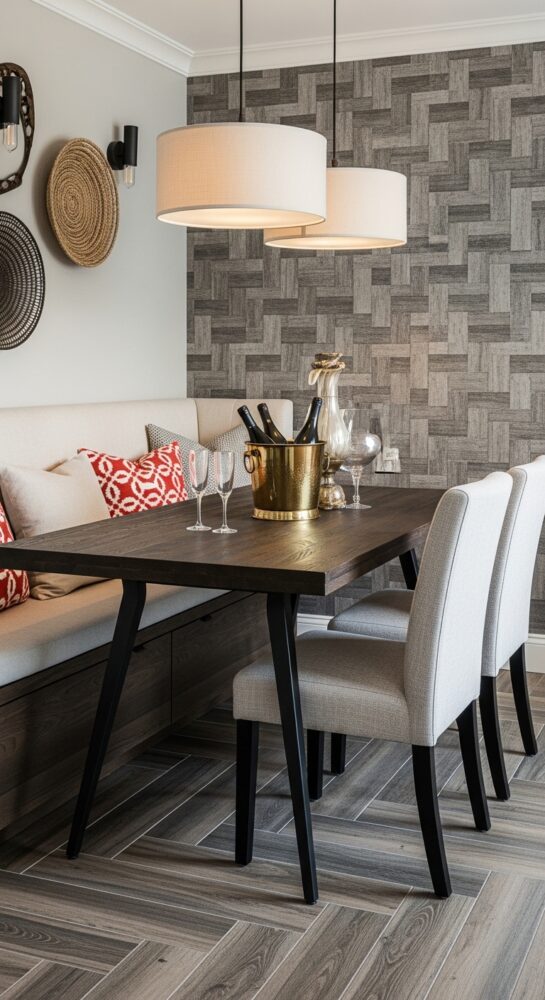
Pushing your table into a corner saves a massive amount of floor space. Building custom banquette seating or sliding in a tufted upholstered banquette bench utilizes the perimeter of the room efficiently. You can even add hidden compartments under the bench to stash extra linens.
Embrace Pedestal Bases
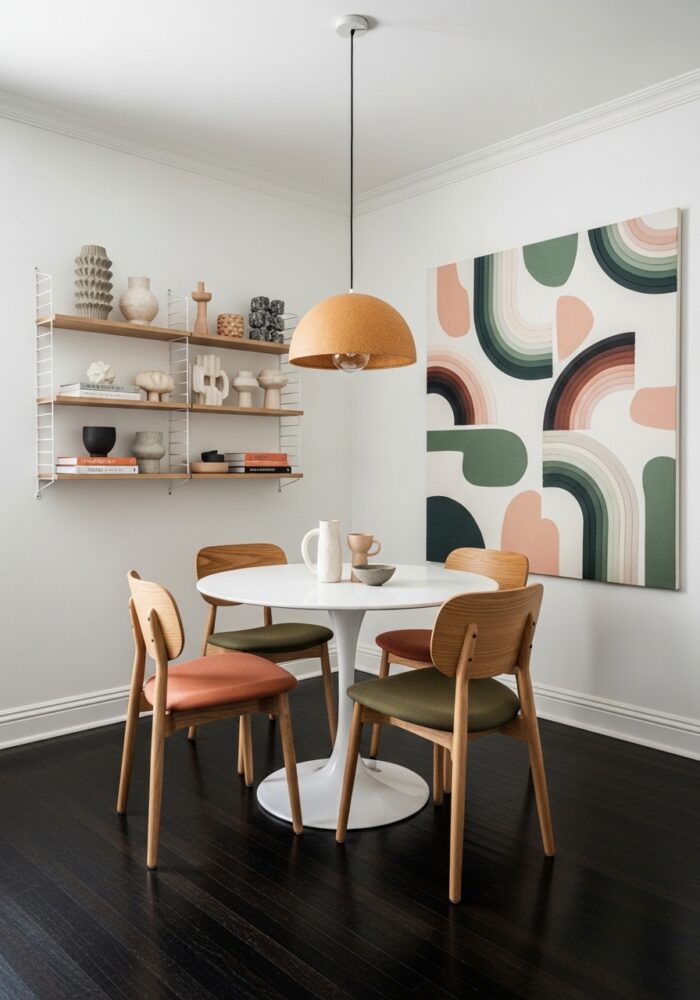
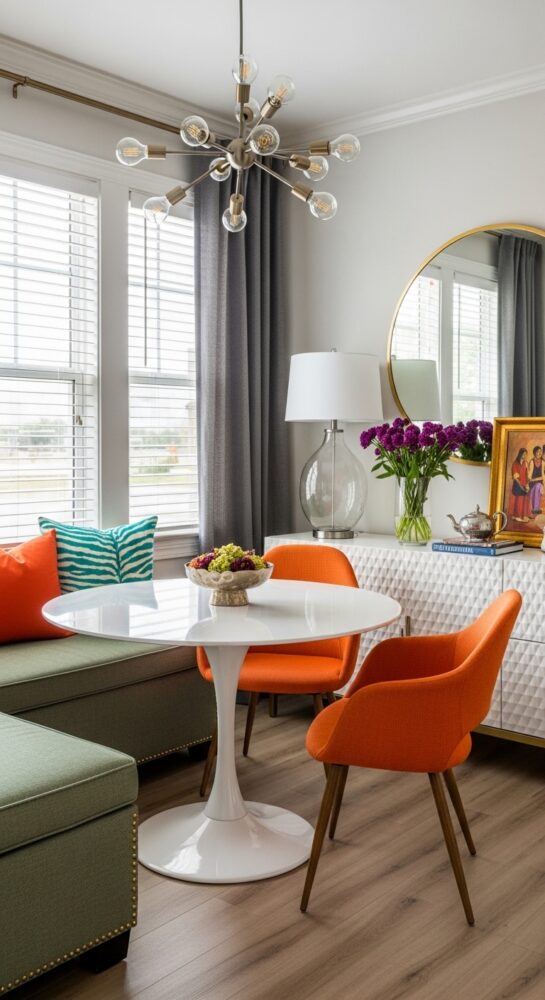
Traditional table legs can crowd the floor and bump up against your guests. A sleek tulip pedestal dining table eliminates this frustrating issue completely. It opens up the floor plan and provides significantly more legroom for everyone.
Hang a Large Mirror
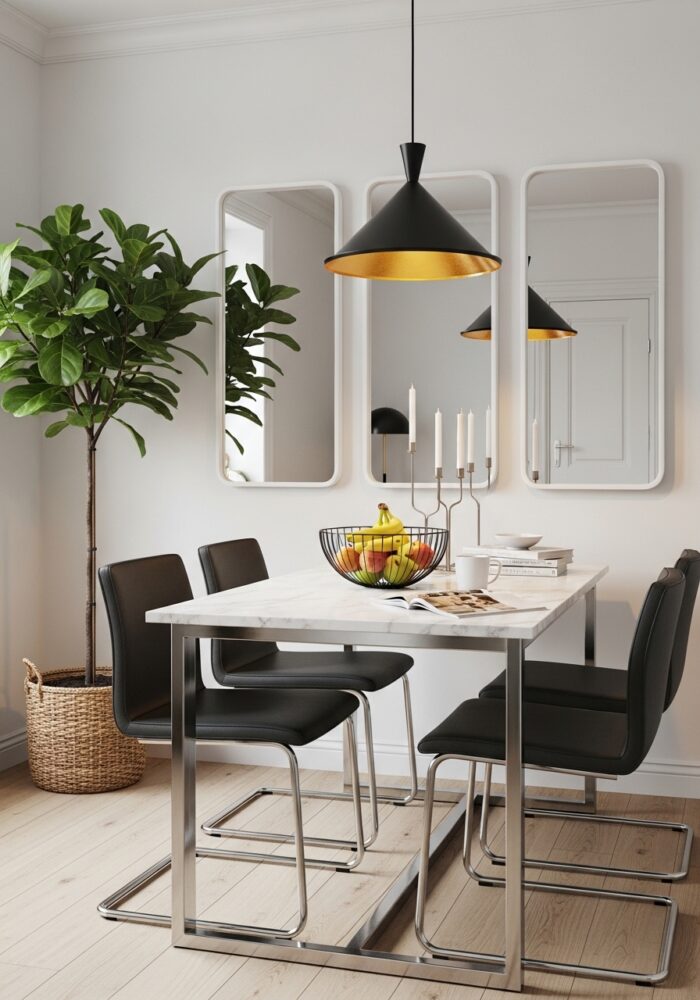
Mirrors are the ultimate tool for expanding a cramped room visually. Hanging a large frameless beveled wall mirror bounces light around the room beautifully. It creates the optical illusion of double the square footage instantly.
Add a Drop-Leaf Table
Flexibility is incredibly valuable in a tiny apartment. A drop-leaf wood kitchen table can be pushed flat against a wall for everyday use. When friends arrive, simply pop the leaves up for a full-sized eating surface.
Maximize Natural Sunlight
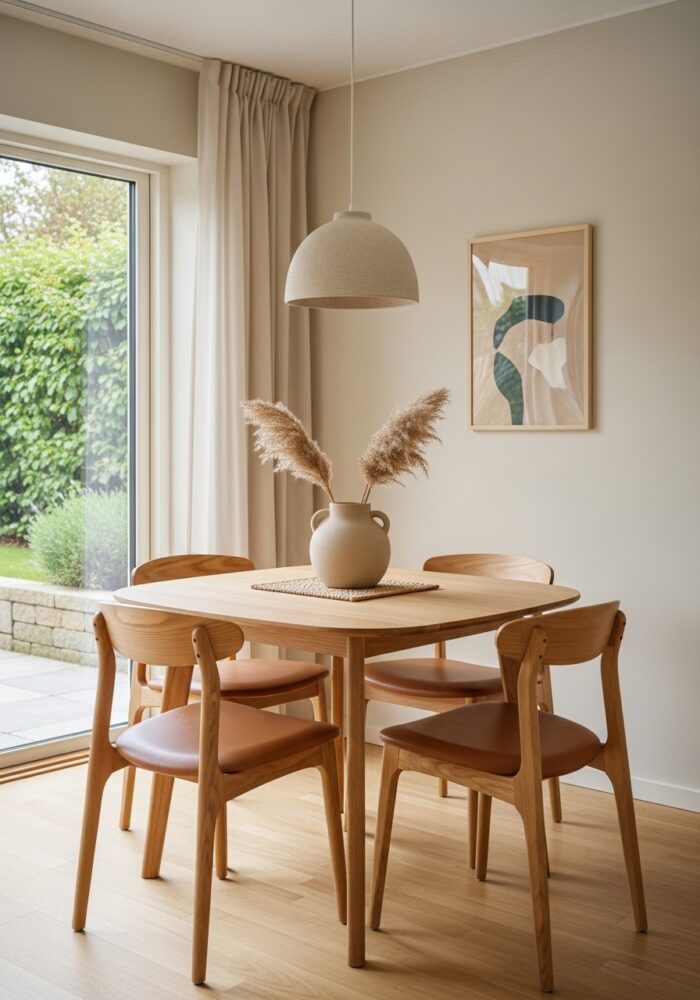
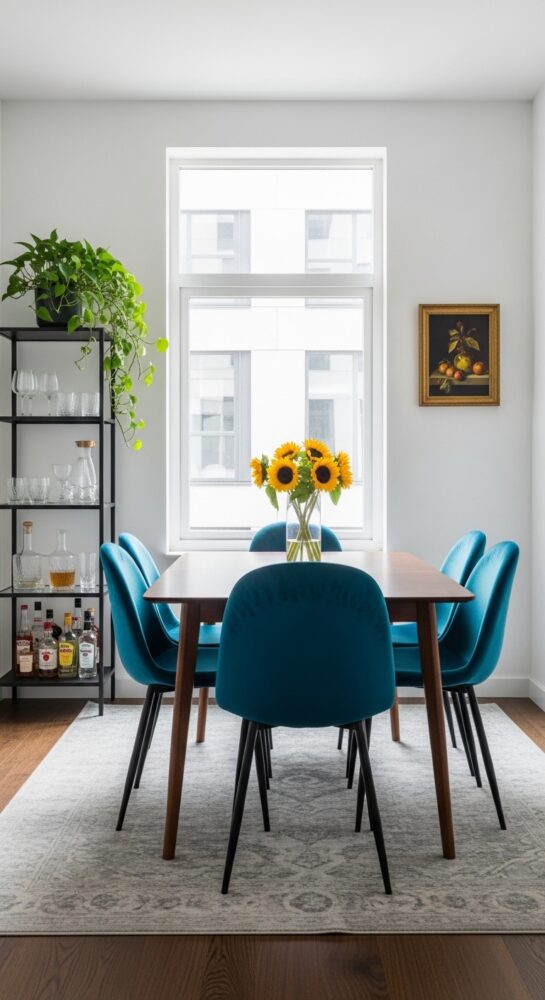
A bright room always feels much more expansive than a dark one. Do everything in your power to maximize the natural light available to you. Avoid placing heavy, bulky furniture directly in front of your windows.
Use Floating Shelves
Large china cabinets are far too heavy for a diminutive room. Instead, display your beautiful dishware on sleek white floating wall shelves. This keeps your floor entirely clear while still offering essential storage. Enhance them further by mounting under cabinet puck lights to illuminate your display.
Keep Window Treatments Light
Heavy velvet drapes can make a room feel closed in and stuffy. Opt for breezy sheer white window curtains that offer privacy without blocking the sun. Linen or lightweight cotton panels are always excellent choices.
Anchor with a Rug
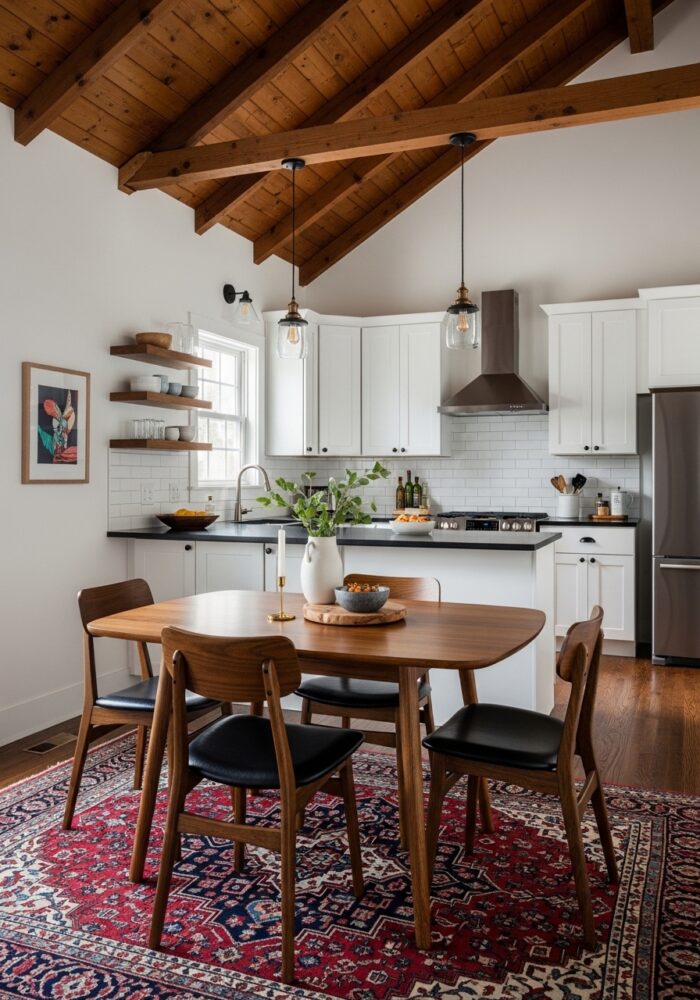
In an open-concept living area, your eating zone might lack physical boundaries. Proper rug placement, like centering a round jute area rug under a circular table, anchors the space and defines the dining zone clearly. Make sure the rug is large enough for chairs to slide out comfortably. If you have a narrow layout, a washable vintage runner rug can beautifully define the adjacent walkway.
Select Armless Chairs
Chairs with large arms take up more physical space and look bulkier. Armless designs have a much sleeker profile. They easily tuck completely under the table when they are not in use.
Go Monochromatic
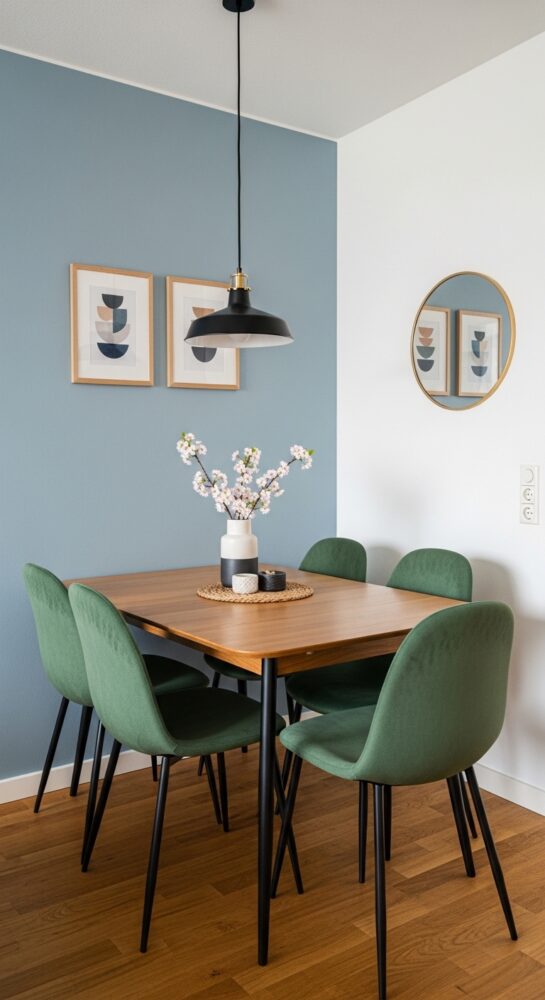
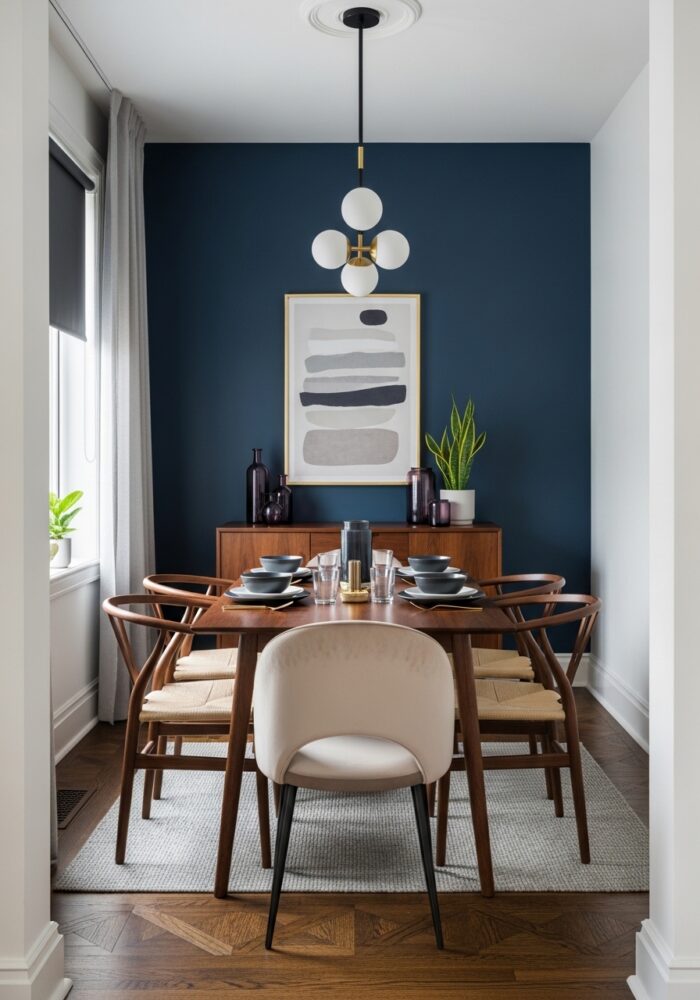
Too many contrasting colors can make a small area feel frantic. A monochromatic color palette creates a soothing, unified atmosphere. Decorating with various shades of a single color blurs the edges of the room.
Hang a Statement Light
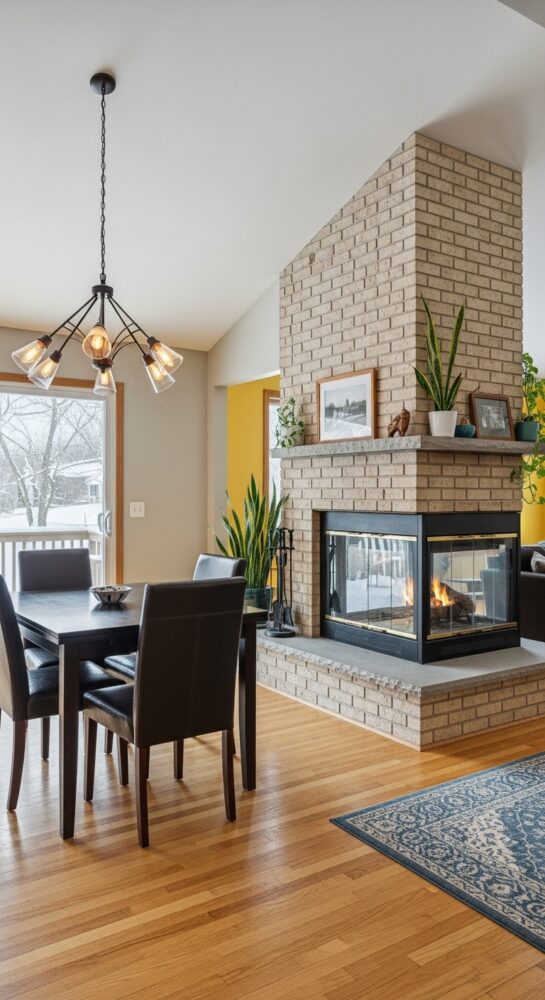
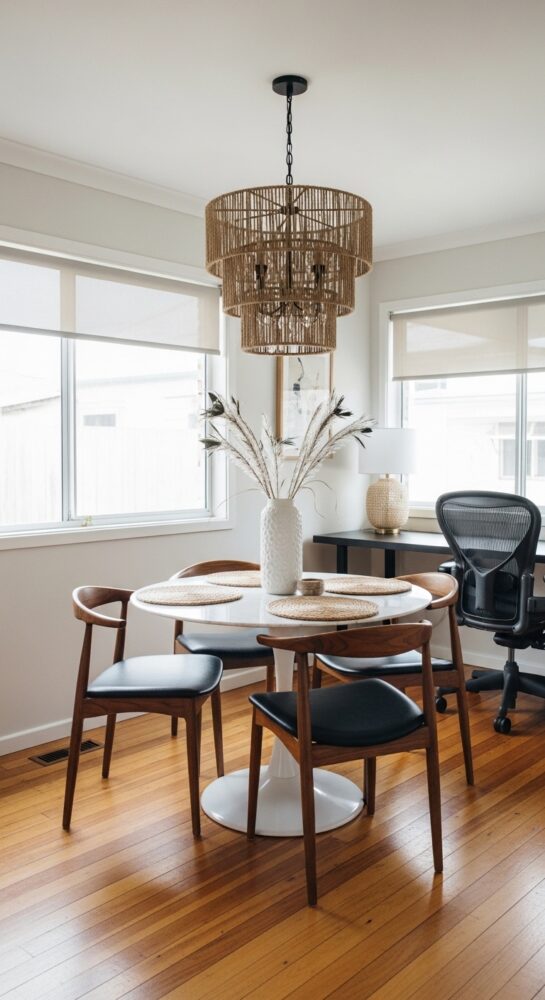
Small rooms can handle bold design moments if they are placed correctly. A striking light fixture, such as a gold sputnik chandelier fixture, acts as a stunning focal point. Alternatively, a woven rattan pendant light brings in warmth and natural texture. Both draw attention up toward the ceiling and away from the tight floor plan.
Incorporate Stackable Chairs
You may love to host, but you do not need eight chairs out every day. Stackable seating is a brilliant solution for occasional entertaining. Keep a few stylish stackable metal bistro chairs in a closet until you need them.
Build Upward
When you cannot build out, you must build up. Utilize your wall space by installing tall cabinets for vertical storage. Taking cabinetry all the way to the ceiling maximizes every inch. You can also utilize vertical airspace with an over-the-table decor rod to hang lightweight greenery without taking up surface area.
Paint the Ceiling Light
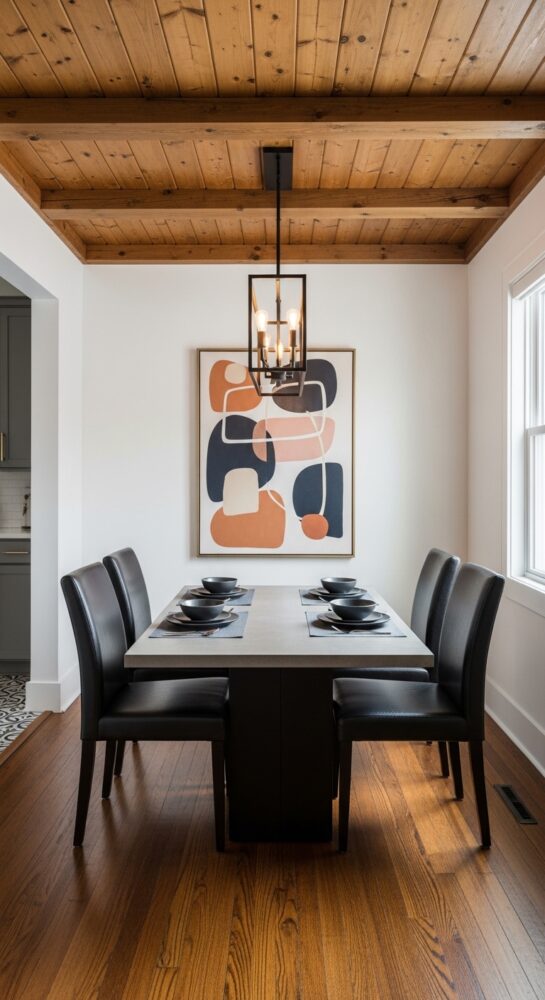
A dark ceiling can feel oppressive in a room with limited square footage. Painting the fifth wall a crisp white reflects light downward. This simple trick makes the room feel incredibly airy and expansive.
Choose Multi-Functional Furniture
Every single item in a compact home must earn its keep. Look for multi-functional pieces that serve more than one distinct purpose. An acrylic rolling bar cart can easily act as a buffet during dinner parties and visually disappear when tucked away.
Install Wall Sconces
Floor lamps take up valuable real estate in tight corners. Mounting modern led wall sconces directly to the wall frees up the floor entirely. They provide beautiful ambient lighting that sets a relaxing, warm mood.
Curate a Gallery Wall
A blank wall is a missed opportunity to inject your personal style. A curated gallery wall adds immense character without encroaching on the room’s footprint. Mix and match frames, and anchor the arrangement with a round brass frame wall mirror to create a collected, lived-in aesthetic.
Use a Narrow Sideboard
You need a place to store linens, but a standard buffet is too deep. Search for a slim console table with drawers or a narrow sideboard buffet cabinet. These pieces offer crucial surface area without blocking the walkway.
Leave Traffic Room
Nothing makes a room feel smaller than squeezing past furniture sideways. You must prioritize proper traffic flow when planning your layout. Leave at least 36 inches between the table edge and the wall.
Opt for Low-Profile Pieces
High-backed chairs can act as visual walls that chop up the room. Opt for low-profile, space-saving furniture instead. Chairs that sit lower to the ground keep sightlines completely open and clear.
Keep Decor Minimal
Clutter is the absolute enemy of a tiny room. Adopting a minimalist styling approach keeps the surfaces clean and serene. Display only your most loved items and use simple essentials like natural woven placemats (set of 6) that add texture without bulk.
Bring in Houseplants
Potted plants add a burst of life and vibrant color to any corner. A tall, skinny plant, like a realistic faux olive tree in ceramic pot, draws the eye upward without taking up much floor space. It softens the hard angles of the furniture beautifully.
Mix Your Chairs
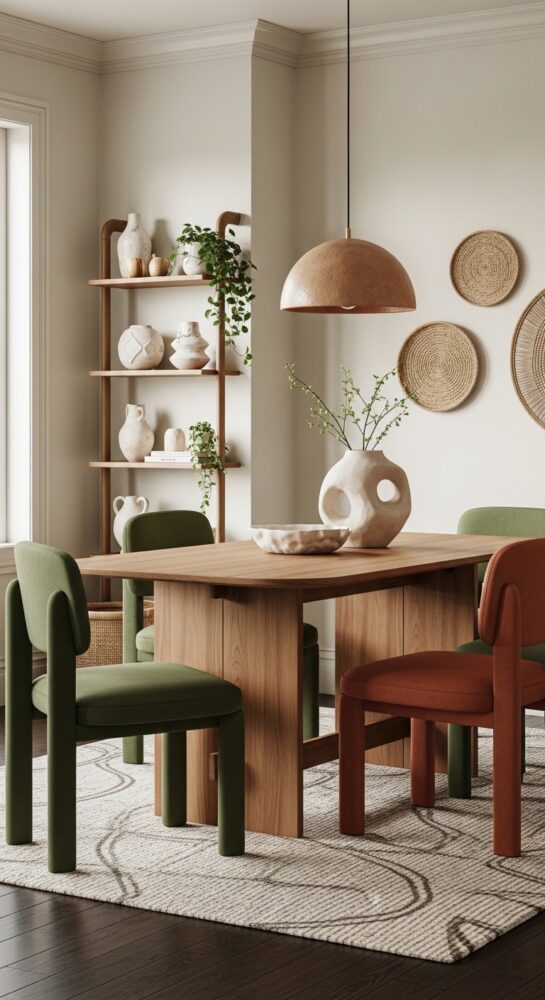
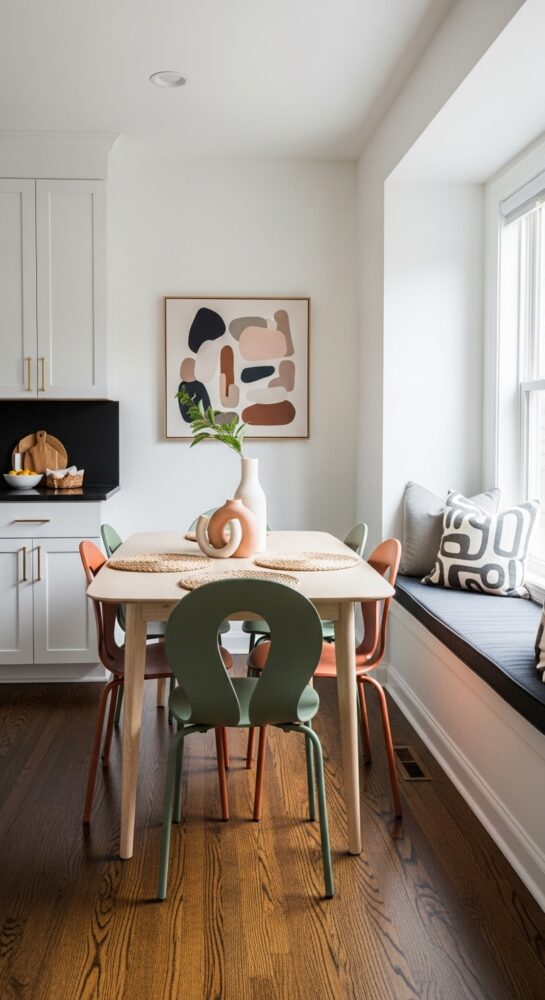
A perfectly matched set of dining chairs can look heavy and formal. Mixing different styles of chairs creates a more relaxed, eclectic vibe. Pairing basic wood seats with plush velvet dining chairs (brass legs) adds a layer of visual interest to an otherwise simple room.
Try an Upholstered Bench
Standard chairs require clearance to push back from the table. A faux leather dining bench stays stationary, requiring much less operational space. It also adds a crucial layer of soft texture to the room.
Utilize Empty Corners
Do not let the corners of your room go to waste. A corner storage cabinet (white) or a triangular shelving unit provides excellent storage. This smart compact layout utilizes awkward, dead space beautifully.
Keep Centerpieces Low
A massive floral arrangement might look stunning, but it disrupts conversation. Tall centerpieces act as physical barriers between your guests. Keep your table decor low and understated—think a neutral linen table runner topped with a minimalist ceramic vase trio or slim brass taper candlestick holders—for better flow.
Choose a Glass Table
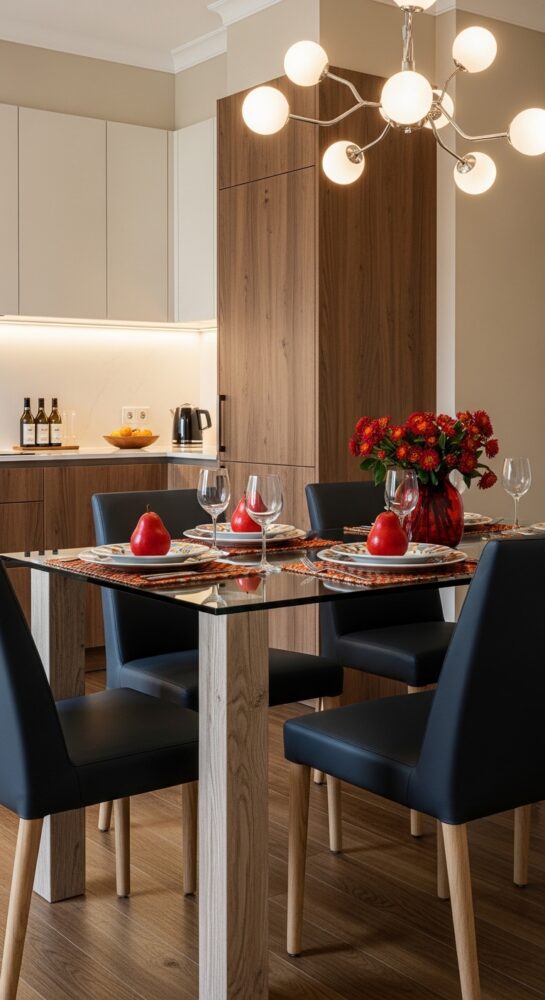
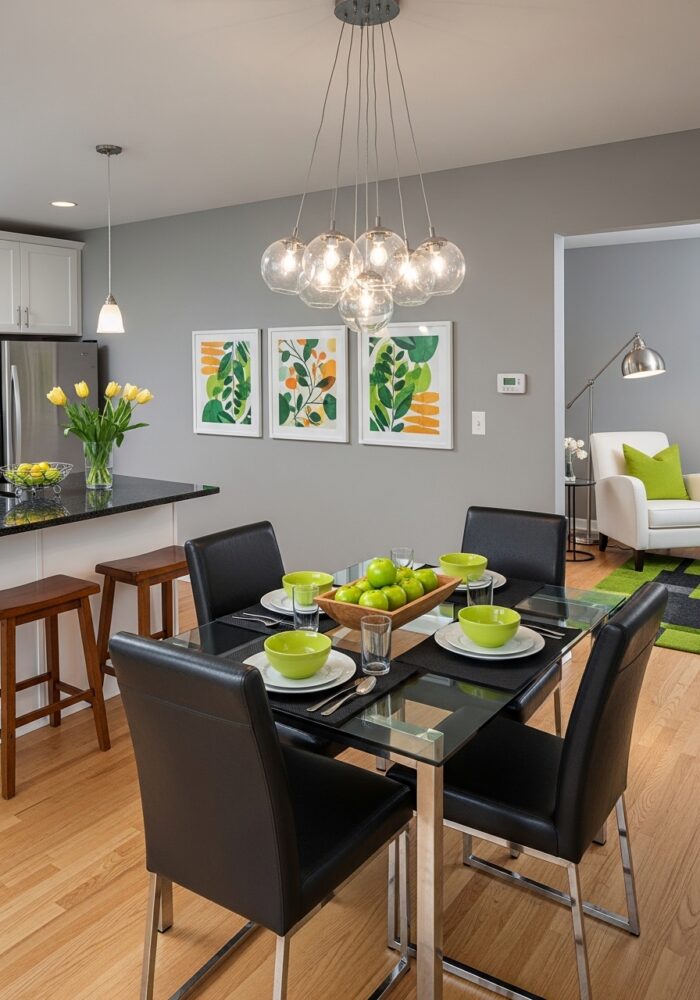
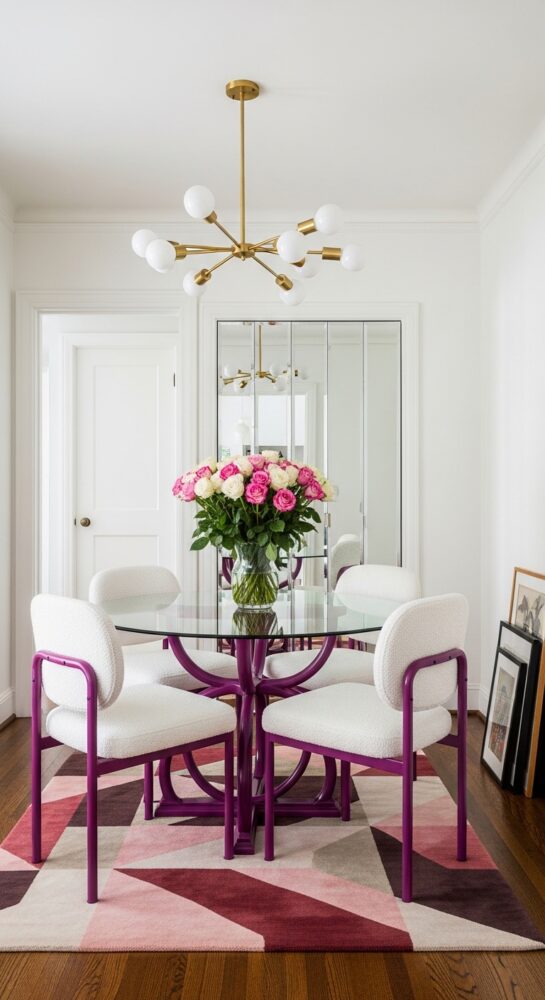
Much like clear acrylic chairs, a small glass top dining table is a spatial lifesaver. It provides a functional eating surface that practically disappears. It allows the beauty of your rug to shine right through.
Use Fold-Away Furniture
If your dining area doubles as an office, flexibility is key. Sturdy folding wood dining chairs can be hung on the wall when not in use. This frees up the floor for other daily activities effortlessly.
Blend with the Living Room
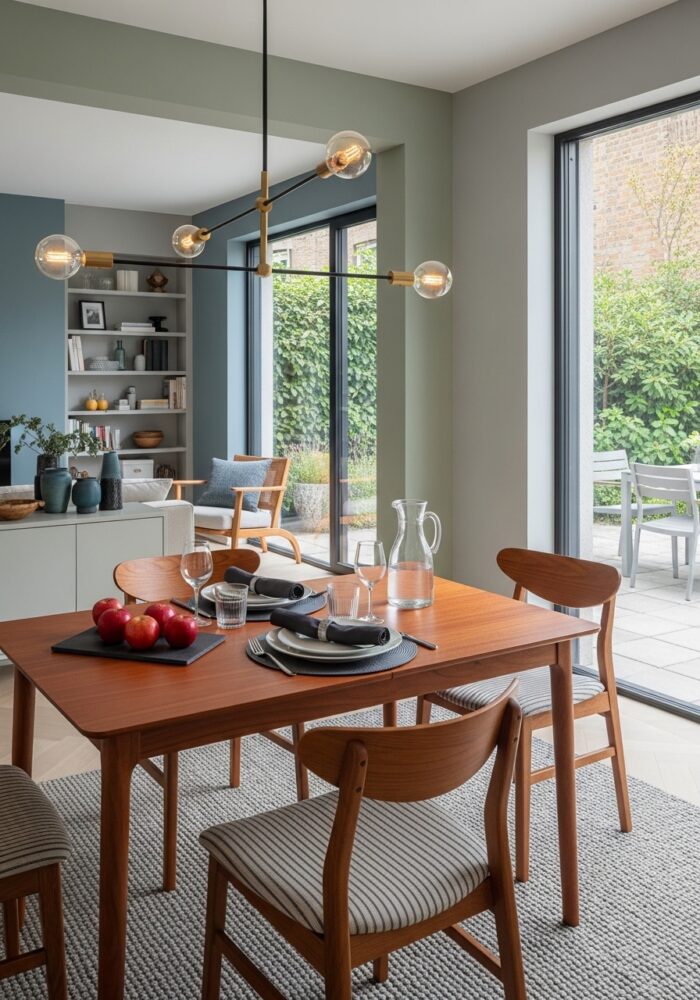
If your dining space shares a room with the sofa, coordinate the styles. Matching the wood tones creates a seamless transition between zones. This cohesive interior design makes the entire open plan feel much larger.
Enjoy Your New Space
Creating a beautiful eating area requires imagination and a willingness to edit. Focus on pieces that bring you joy while maintaining excellent functionality. A smaller scale simply means a more intimate gathering.
Pick one idea from this list and implement it this weekend. Even a simple change like removing an armchair can open up the room.